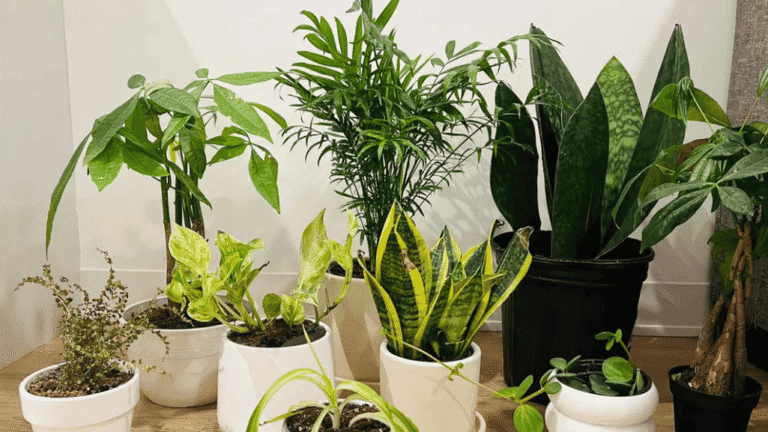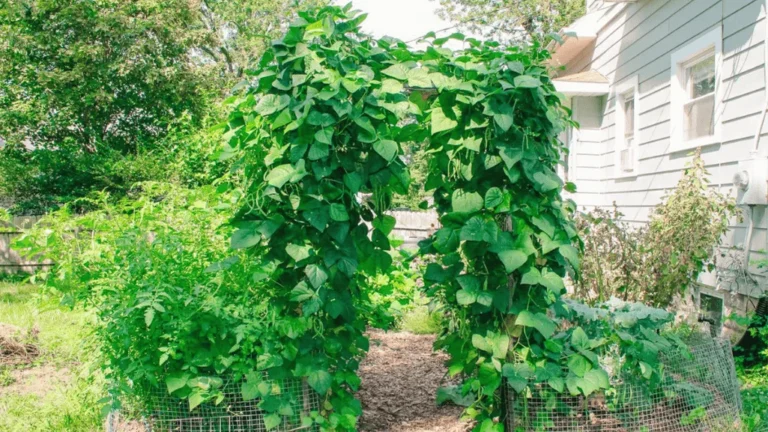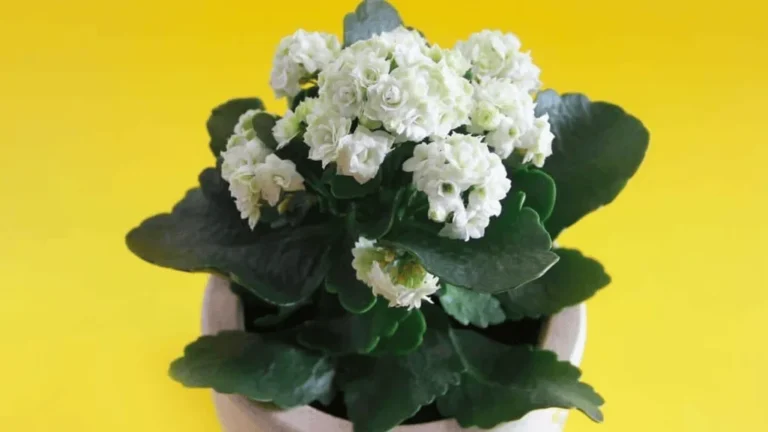
Beautiful flowers gardenia Plants For Your homes
 Skip to content
Beautiful flowers gardenia Plants For Your homes


In the concrete jungle of modern cities, where ground-level green space comes at a premium, innovative gardeners and environmentalists are looking up. Rooftop gardens represent one of urban living’s most promising frontiers, transforming barren, unused spaces into vibrant ecosystems that benefit both people and the environment. Whether you’re a city dweller with access to a flat roof, a property owner looking to maximize your building’s potential, or simply someone fascinated by the concept, rooftop gardens offer a compelling solution to urban space limitations.
Rooftop gardens deliver far more than just aesthetic appeal. These elevated green spaces offer a remarkable range of environmental, economic, and social advantages that make them increasingly valuable in urban settings.
Rooftop gardens serve as powerful environmental allies in urban areas. They effectively manage stormwater by absorbing rainfall that would otherwise contribute to runoff and potential flooding. A well-designed rooftop garden can retain 70-90% of summer precipitation and 25-40% of winter precipitation, significantly reducing the burden on municipal drainage systems.
These elevated green spaces also combat the urban heat island effect—the phenomenon where cities become significantly warmer than surrounding rural areas due to heat-absorbing surfaces like concrete and asphalt. By replacing heat-absorbing rooftop materials with vegetation, rooftop gardens can reduce local temperatures by 3-7°F and cut building cooling costs by up to 30%.

Air quality improvements represent another significant environmental benefit. Plants naturally filter air pollutants, with rooftop gardens capturing particulate matter and converting carbon dioxide to oxygen. A 1,000 square foot green roof can remove approximately 40 pounds of particulate matter from the air annually while producing enough oxygen for 110 people.
Perhaps most surprisingly, rooftop gardens create valuable habitats for biodiversity in otherwise barren urban environments. They provide refuge for pollinators like bees and butterflies, as well as birds and beneficial insects, creating stepping-stone habitats that help wildlife navigate through urban areas.

The economic advantages of rooftop gardens extend beyond mere aesthetics. These green installations act as natural insulators, reducing heating costs in winter by up to 10% and cooling costs in summer by up to 30%. The vegetation layer provides additional insulation while the evapotranspiration process naturally cools the surrounding air.
Property values also see a significant boost from well-designed rooftop gardens. Buildings with accessible green roofs can command premium prices, with studies showing increases of 7-15% compared to similar properties without rooftop gardens. For commercial buildings, these spaces can become marketable amenities that attract tenants willing to pay premium rates.
For those interested in food production, rooftop vegetable gardens can yield impressive harvests. Urban rooftop farms in cities like New York and Chicago produce thousands of pounds of fresh produce annually, reducing food costs and creating potential income streams through farmers’ markets or restaurant partnerships.
Additionally, rooftop gardens extend roof lifespans by protecting waterproofing membranes from UV radiation, temperature fluctuations, and physical damage. This protection can double or even triple a roof’s service life, delaying expensive replacement costs by decades.
Beyond environmental and economic advantages, rooftop gardens offer profound social and health benefits. These elevated green spaces create community gathering areas in dense urban environments where ground-level parks may be scarce. Shared rooftop gardens foster social connections among residents, providing spaces for relaxation, recreation, and community events.

The mental health benefits of rooftop gardens are well-documented. Access to green spaces reduces stress, improves mood, and enhances cognitive function. Studies show that even brief exposure to natural environments can lower cortisol levels and blood pressure while improving concentration and creativity.
For buildings that incorporate food production, rooftop gardens provide access to fresh, nutritious produce that might otherwise be limited in urban “food deserts.” This access to healthy food options can improve nutrition and dietary habits among urban populations.
Want to learn more about how rooftop gardens can benefit your specific situation? Our comprehensive guide explores all the advantages in detail with case studies and data.
Rooftop gardens come in various forms, each with distinct characteristics suited to different needs, building structures, and maintenance capabilities. Understanding these types will help you determine which approach best fits your situation.
Intensive rooftop gardens most closely resemble traditional ground-level gardens. With soil depths typically ranging from 8 to 24 inches or more, these gardens can support a diverse array of plants, including trees, shrubs, vegetables, and ornamental perennials. The substantial soil depth allows for greater biodiversity and more elaborate landscaping possibilities.
However, this versatility comes with important considerations. Intensive gardens are significantly heavier, often weighing 80-150 pounds per square foot when saturated. This weight necessitates robust structural support, which may require building reinforcement for older structures. They also demand more regular maintenance, including irrigation, fertilization, weeding, and pruning.

The reward for this investment is a truly immersive garden experience that can serve as a full-fledged outdoor living space. Intensive rooftop gardens often incorporate features like seating areas, water elements, and even small lawns, creating park-like environments above the city streets.

Extensive rooftop gardens represent the lighter, more low-maintenance approach to green roofs. These systems typically feature soil depths of just 2 to 6 inches, significantly reducing the weight load to approximately 15-50 pounds per square foot when saturated. This lighter profile makes extensive gardens suitable for a wider range of buildings without major structural modifications.
The plant palette for extensive gardens focuses on hardy, drought-resistant species that can thrive with minimal intervention. Sedums, succulents, and other low-growing perennials dominate these installations, creating carpets of vegetation that change colors with the seasons. Once established, these plants require little irrigation beyond natural rainfall in most climates.
While extensive gardens may not provide the same recreational space as their intensive counterparts, they still deliver impressive environmental benefits, including stormwater management, temperature reduction, and habitat creation. Their lower maintenance requirements and installation costs make them an accessible entry point for many building owners.
Container gardens offer perhaps the most flexible and approachable option for rooftop gardening, especially for renters or those testing the waters. This approach utilizes pots, planters, and other vessels to create modular garden spaces that can be rearranged, expanded, or reduced as needed.

The primary advantage of container gardens lies in their adaptability. Containers can be strategically placed to distribute weight across the roof structure, and they can be moved to optimize growing conditions or accommodate roof maintenance. This approach requires no permanent modifications to the roof itself, making it ideal for rental properties or situations where structural changes aren’t feasible.
Container gardens can support a surprising diversity of plants, from ornamentals to vegetables and herbs. Self-watering containers and drip irrigation systems can help manage the more frequent watering needs of containerized plants. With thoughtful design, container gardens can create inviting spaces for relaxation and entertainment while still providing many of the environmental benefits associated with other types of rooftop gardens.
| Garden Type | Soil Depth | Weight (saturated) | Maintenance Level | Plant Diversity | Cost Range |
| Intensive | 8-24+ inches | 80-150 lbs/sq ft | High | High (trees, shrubs, perennials) | $25-50+ per sq ft |
| Extensive | 2-6 inches | 15-50 lbs/sq ft | Low | Limited (sedums, low perennials) | $10-25 per sq ft |
| Container | Variable | Variable (can be distributed) | Medium | Medium to High | Variable ($100+ to start) |
Before breaking ground—or rather, setting containers—on your rooftop garden, several critical factors require careful consideration. These preliminary steps will help ensure your garden’s success and prevent costly mistakes.
The single most important consideration for any rooftop garden is structural capacity. Even container gardens add significant weight to a roof, and this weight increases substantially when soil becomes saturated with water. Before proceeding with any rooftop garden plans, consult with a structural engineer who can assess your building’s load-bearing capacity.
A professional assessment will determine how much weight your roof can safely support, which directly influences the type of garden you can create. The engineer will examine factors like the building’s age, construction materials, support systems, and existing conditions to provide specific weight limitations per square foot.

For existing buildings not originally designed for rooftop gardens, structural reinforcement may be necessary. While this represents an additional investment, it’s an essential safety measure that should never be overlooked. Remember that weight considerations must account for not just the garden itself, but also people, furniture, snow loads in colder climates, and potential future expansions.
Unsure about your roof’s capacity? Connect with certified structural engineers who specialize in rooftop garden assessments.
Proper waterproofing and drainage systems are critical to prevent moisture damage to the building structure. A high-quality waterproof membrane serves as the foundation of any rooftop garden, protecting the roof surface and building interior from water infiltration.

For intensive and extensive gardens, a root barrier is essential to prevent plant roots from penetrating the waterproofing membrane. Additionally, a proper drainage layer helps manage excess water, directing it away from the roof surface and preventing waterlogging that could damage both the building and the plants.
Even container gardens require attention to drainage. Containers should be elevated slightly using platforms or feet to allow water to flow beneath them and reach roof drains. Existing roof drainage systems must remain unobstructed and functional to prevent water accumulation and potential structural damage.

Practical access to your rooftop garden is essential for both enjoyment and maintenance. Consider how materials will be transported to the roof during installation and how ongoing maintenance tasks will be performed. Stairs, elevators, or other access points must be able to accommodate the movement of soil, plants, and equipment.
Safety features like railings or parapets are crucial, especially if the garden will be used by multiple people or for social gatherings. In many jurisdictions, building codes specify minimum heights for safety barriers on accessible rooftops. Additionally, consider installing windbreaks to protect both plants and people from strong gusts that are common at roof level.
Weather exposure presents another important consideration. Rooftops typically experience more extreme conditions than ground level, including stronger winds, more intense sun exposure, and potentially greater temperature fluctuations. These factors influence both plant selection and the need for protective elements like pergolas or shade structures.
Before proceeding with your rooftop garden, research local building codes, zoning regulations, and permit requirements. Many municipalities have specific rules governing rooftop structures, weight loads, safety features, and even the types of plants that can be grown.
Homeowners’ associations and co-op boards may have additional restrictions or approval processes. Engage with these entities early in your planning process to avoid complications or the need to modify or remove installations later.
Insurance considerations also merit attention. Contact your property insurance provider to determine if your rooftop garden plans might affect your coverage or require additional riders. Proper documentation of professional assessments, quality materials, and code compliance will help address potential insurance concerns.
Ready to transform your rooftop into a green oasis? This step-by-step guide focuses on creating a container-based rooftop garden—the most accessible option for beginners and those with limited structural capacity. These principles can be adapted for more extensive installations as your experience and resources grow.
Begin by thoroughly documenting your rooftop conditions. Note the hours of direct sunlight different areas receive throughout the day, identify prevailing wind patterns, and map existing features like vents, drains, and access points that must remain unobstructed.
With this information, sketch a basic layout for your garden. Consider creating distinct zones for different activities—perhaps a seating area, a culinary herb section, and space for ornamental plants. Plan pathways that provide easy access to all plants for maintenance while distributing weight across the roof surface.

When budgeting, account for all components: containers, soil, plants, irrigation systems, furniture, and potential professional services. Starting small allows you to test concepts and expand gradually, learning what works best in your specific conditions.
Plant selection for rooftop gardens requires special consideration of the unique environmental conditions. Rooftops typically experience more extreme temperatures, stronger winds, and more intense sun exposure than ground-level gardens.

For container gardens, prioritize plants with these characteristics:
Excellent plant options for rooftop gardens include herbs like rosemary, thyme, and lavender; vegetables such as cherry tomatoes, peppers, and leafy greens; and ornamentals including sedums, ornamental grasses, and compact flowering perennials. Native plants adapted to your region often perform exceptionally well with minimal intervention.
Our interactive plant selector tool helps you identify the best plant options based on your specific rooftop conditions.

For rooftop gardens, container selection balances weight considerations with functionality. Lightweight options include:
Regardless of container type, ensure adequate drainage holes and consider elevating containers slightly to allow water to flow underneath. For larger installations, modular systems that connect multiple containers can create a more cohesive appearance while simplifying irrigation.
Soil selection is equally important. Standard garden soil is too heavy and dense for rooftop use. Instead, use lightweight potting mixes specifically formulated for containers. These mixes typically contain components like peat moss, perlite, vermiculite, and coconut coir that provide good drainage while retaining necessary moisture.
For vegetable gardens, incorporate quality compost to provide nutrients, but be mindful of the additional weight. Soil amendments like water-retaining crystals can help reduce watering frequency, while slow-release organic fertilizers support plant health with minimal intervention.
When installation day arrives, carefully plan the logistics of transporting materials to your roof. For multi-story buildings, this might require coordinating with building management to reserve service elevators or arranging for crane lifts for larger components.

Begin by positioning your largest containers according to your design plan, keeping in mind weight distribution across the roof surface. Place containers before filling them with soil to make them easier to move and position precisely.
When filling containers, add a layer of lightweight drainage material like perlite or clean gravel at the bottom before adding your potting mix. This promotes proper drainage and reduces the risk of waterlogged soil. Fill containers to about 1-2 inches below the rim to allow space for watering without overflow.
When planting, consider mature plant sizes and arrange them with appropriate spacing. Group plants with similar water and light requirements together to simplify maintenance. After planting, apply a layer of mulch to help retain moisture and suppress weeds.
Successful rooftop gardens require regular attention, though the maintenance intensity varies by garden type. Establish a consistent care routine that includes:

Irrigation presents a particular challenge for rooftop gardens. Consider installing drip irrigation systems with timers to ensure consistent watering with minimal effort. For smaller installations, self-watering containers or water reservoirs can extend the time between manual waterings.
Regularly inspect structural elements, drainage systems, and containers for any signs of damage or wear. Address issues promptly to prevent more significant problems. In colder climates, prepare containers for winter by adding insulation, grouping them together, or in some cases, moving particularly sensitive plants indoors.
Document your successes and challenges throughout the seasons. This record will prove invaluable as you refine your approach and potentially expand your garden in future years.
Rooftop gardens represent one of the most exciting frontiers in urban greening, offering a powerful way to reclaim unused spaces and create environmental, economic, and social benefits. Whether you’re drawn to the ecological advantages, the potential for food production, or simply the joy of creating a green retreat above the city streets, rooftop gardening offers rich rewards for your effort.
Remember that successful rooftop gardens begin with thorough planning and respect for structural limitations. Start with container gardens if you’re new to rooftop gardening or face structural constraints. As your confidence and experience grow, you can explore more elaborate installations that maximize the potential of your space.
The journey of creating and maintaining a rooftop garden connects you to natural cycles and seasonal rhythms that are often obscured in urban environments. It provides opportunities for creativity, learning, and sharing with others who may be inspired by your elevated oasis.

As cities continue to densify and climate challenges intensify, rooftop gardens will play an increasingly vital role in creating more resilient, livable urban environments. By establishing your own rooftop garden, you’re not just creating a personal retreat—you’re contributing to a broader movement toward greener, healthier cities for everyone.
Download our comprehensive planning worksheet to organize your ideas, track structural considerations, and create a personalized roadmap for your rooftop garden project.
Beyond weather protection, a roof plays a pivotal role in thermal regulation. It acts as an insulating layer that helps maintain a comfortable indoor temperature. During hot summers, the roof reflects sunlight and heat, preventing your home from turning into a sweltering sauna.






 Optimized by Seraphinite Accelerator