Beautiful flowers gardenia Plants For Your homes
 Skip to content
Beautiful flowers gardenia Plants For Your homes

Keeping a garden healthy and productive takes regular work, and pest pressure — from slugs and aphids to squirrels and other small animals — can quickly undo that effort. Fortunately, there are many proven natural ways to control pests around the home and garden that reduce reliance on harsh chemicals.
Effective garden pest control blends targeted, eco-friendly tools — like organic pesticides and beneficial insects — with cultural practices such as companion planting and proper watering. When you know which pests are causing damage, you can choose the right natural remedy, whether that’s a neem oil spray, encouraging ladybugs, or planting herbs that act as insect repellents.
Choosing the right plants for your climate and hardiness zone makes a big difference too — resilient, well-adapted plants tolerate stress and resist pests better. For extra guidance on colder areas, see these cold-climate gardening tips, and use plant selection to reduce pest problems before they start.
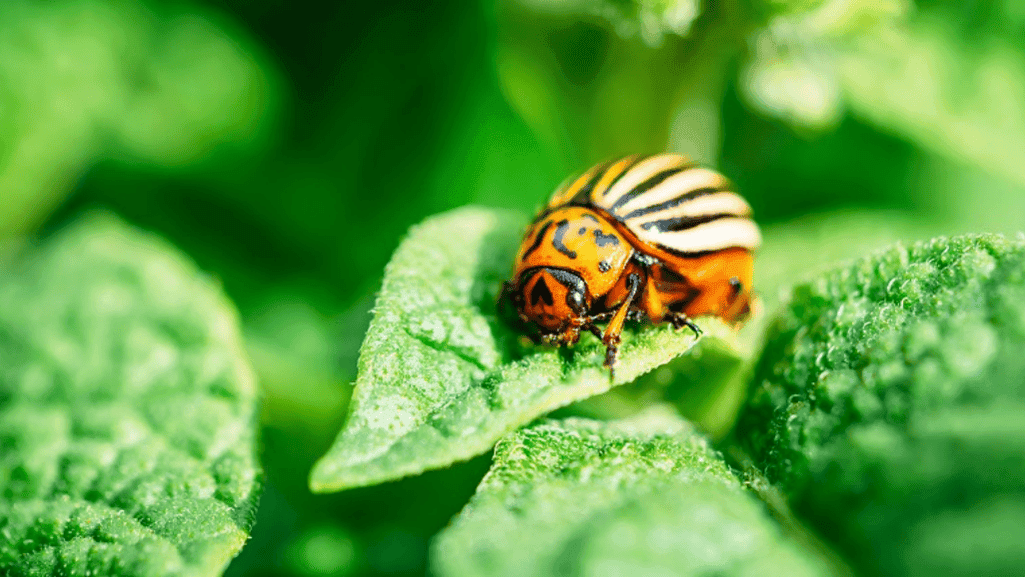
Gardeners face a wide range of pests that reduce yields and damage plants. Insects, mites, and small wildlife can strip leaves, bore into stems, and eat fruits and vegetables — but not all pests are the same. Understanding which pest is causing the problem is the first step toward effective, targeted pest control using natural methods and good pest management techniques.
Below are common pests to watch for, the typical signs they leave, and quick natural fixes you can try right away.
Don’t forget small wildlife: rabbits, squirrels, and chipmunks eat young shoots, fruits, and roots. Use physical barriers (fencing, row covers) and habitat modification to reduce damage in vulnerable areas of your garden.
 The Importance of Controlling Garden Pests Naturally
Synthetic pesticides can offer quick results, but they often harm beneficial insects, reduce biodiversity, and can contaminate water and soil. Natural pest control focuses on prevention, plant resilience, and targeted treatments that preserve useful predatory insects and pollinators while reducing pest populations over time.
Use techniques like companion planting, habitat creation for beneficials, and precise organic products to keep pest populations at manageable levels. These pest management strategies protect plants and support a healthy garden ecosystem.
It is important to strike a balance that reduces pest damage while conserving your garden’s biodiversity.
Understanding common pests, the damage they cause, and the natural options for control helps you protect your garden and enjoy better harvests. If you’re unsure which pest is affecting your plants, start with a quick inspection checklist and match symptoms before choosing a treatment.
Protecting your plants starts with accurate identification. Regular monitoring — a quick weekly walk through your garden — helps you spot pests early so you can apply targeted, natural control measures instead of broad chemical sprays. Record symptoms, take photos, and match them to a trusted guide before choosing a remedy.
Use the short table below when you inspect plants — symptom → likely pest → first action to take:
Note: many symptoms overlap — for example, skeletonized leaves can come from beetles or grasshoppers, and “big holes with poop” may indicate various caterpillars. Always inspect stems, soil line, and the undersides of leaves before you spray or apply a treatment.
A few practical monitoring tools: yellow sticky cards for flying insects, pheromone traps for specific moth pests, a hand lens for tiny mites, and simple white paper sheets to dislodge and count pests. Smartphone ID apps can help, but always cross-check images with a reliable extension or horticulture source for your area before applying a treatment.
Inspect weekly and keep simple notes: date, plant, symptoms, likely pest, and action taken. That record helps you see patterns by area and season and improves long-term pest management. If you’re unsure, save a sample or photo and consult a local extension service before using products on edible plants.
 Companion Planting for Pest Control
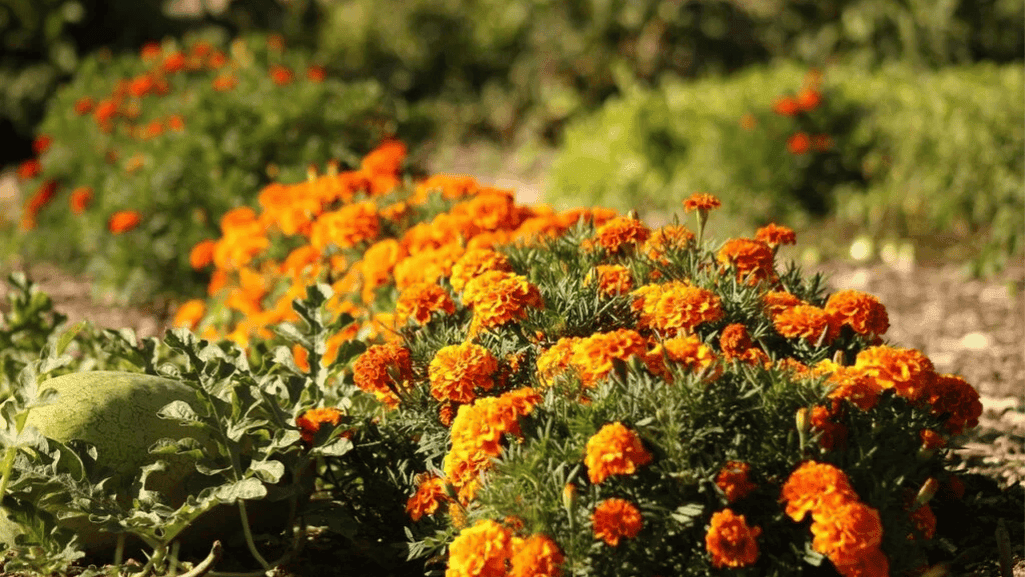
Companion planting is a practical, low-cost way to reduce pest pressure by arranging plants so they protect each other. Rather than relying on chemical pest control, this approach uses plant traits — strong scents, dense foliage, or attractive flowers — to repel pests, mask crop odors, or lure pests away as trap crops.
Below are reliable companion pairings and short reasons why they work — use them as a quick, actionable guide when planning beds or container groups.
A few practical layout examples: place herbs like mint or chives in pots near vulnerable crops to avoid mint’s spreading habit; sow a row of nasturtiums at the edge of a bed as a sacrificial trap; scatter tiny flower strips through larger vegetable beds to feed beneficial insects.
Companion planting is a strategic, natural way to reduce pests while encouraging a more diverse, resilient garden ecosystem.
Remember: companion planting is one part of pest control. Combine it with monitoring, good garden hygiene, and targeted organic options for best results. If you want, try a small bed using these pairings first to see what works in your area before scaling up.
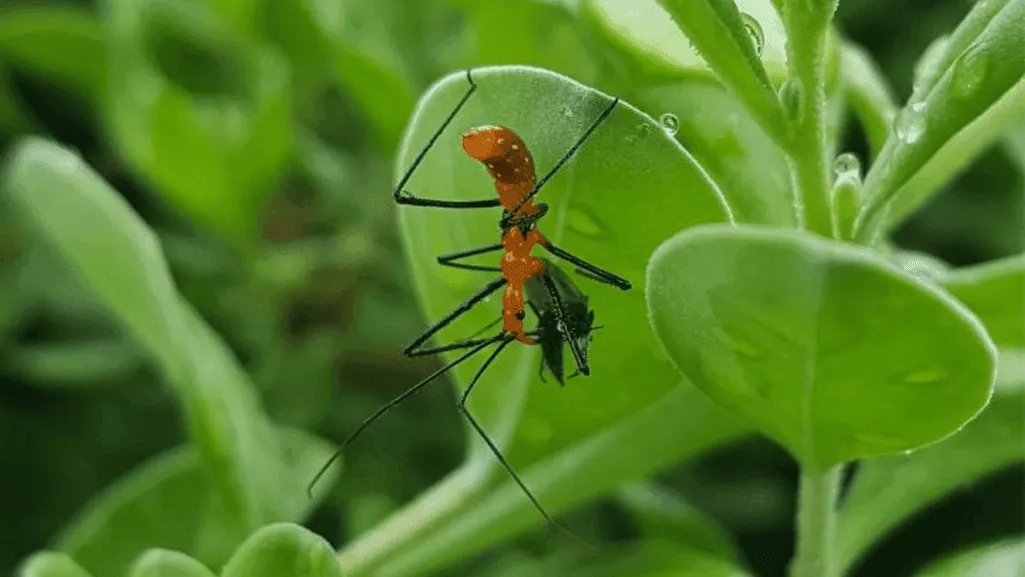
Beneficial insects are the backbone of effective, low-impact pest control. By encouraging predators and parasitoids in your beds and borders, you reduce the need for chemical pesticides while helping the garden remain balanced. Below are the most useful beneficials, what they eat, and simple ways to welcome them into your garden.
1) Plant diverse nectar and pollen sources (zinnias, fennel, dill, yarrow, cosmos) to feed adult beneficials. 2) Provide shelter and overwintering sites: leave a section of leaf litter, install insect hotels, and keep some perennial borders. 3) Offer water: shallow dishes with pebbles give landing spots so insects can drink safely. 4) Avoid broad-spectrum pesticides — they kill both pests and helpful predators. 5) When necessary, release purchased beneficials (ladybugs, praying mantis egg cases) strategically and in numbers appropriate to garden size.
By designing habitat and planting for beneficial insects, you build a biological control system that keeps pest populations lower and your plants healthier over the long term.
Quick troubleshooting: if pests persist after attracting beneficials, confirm the predator species present (photos or samples help) and re-check habitat and pesticide use; sometimes timed, targeted organic treatments are needed to reduce pest populations while preserving beneficial insect populations.
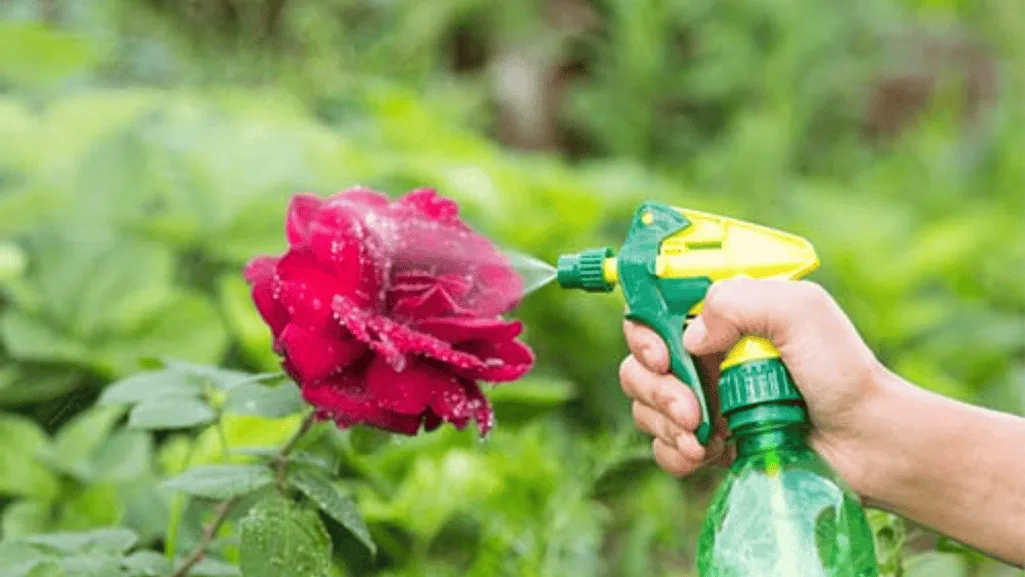
There are many effective, natural pest control options that are kinder to people, pets, and the environment. Below are practical, commonly used products and how to use them safely and efficiently in a garden or around home plantings.
Neem oil is derived from the neem tree and is widely used in organic pest management. It works as a repellent and growth regulator — interfering with feeding and reproduction of pests — and is effective against aphids, whiteflies, spider mites, and many soft-bodied insects.
How to use: mix according to the product label (commonly 1–2 tablespoons of concentrated neem oil per gallon of water with a mild surfactant) and spray plants thoroughly, covering leaf undersides. Apply in the early morning or late evening to protect pollinators and avoid application during hot, sunny hours.
Insecticidal soaps (fatty acid formulations) kill soft-bodied insects like aphids, mealybugs, and whiteflies by disrupting cell membranes. They are a low-toxicity option when used correctly.
How to use: follow label directions — many home recipes are less reliable. Spray directly onto pests, repeat every 4–7 days as needed, and avoid applying during heat or when flowers are open to pollinators.
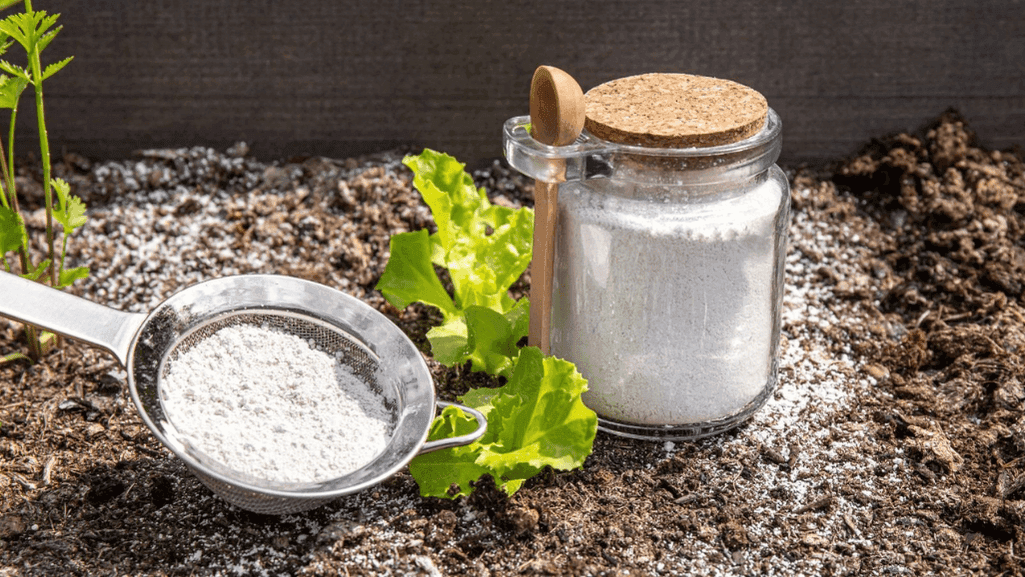
Diatomaceous earth (food-grade) is a physical control that dehydrates crawlers like slugs and many crawling insects when dry — great around seedlings and container rims but less effective when wet. Botanical insecticides (e.g., pyrethrin-based products) are plant-derived and can be effective but should be used carefully to avoid harming beneficial insects. Horticultural oils (including neem oil blends) smother eggs and soft-bodied stages and are useful for targeted control.
Choose OMRI-listed or USDA Organic-certified products when possible to ensure standards for organic gardening. Check current labels for approved uses and restrictions; some botanical compounds (for example rotenone) have regulatory limits in some regions and should be avoided if restricted.
Safety note: avoid spraying when pollinators are active, test products on a small plant area first, and always follow label directions for mixing rates and pre-harvest intervals on edible plants.
When choosing a product, weigh pros and cons: diatomaceous earth is great for dry barriers and beetles, neem oil is versatile for many insect pests and works as a growth regulator, and insecticidal soaps are excellent for quick suppression of soft-bodied insects. Use targeted products as part of an integrated pest management approach rather than as a first resort.
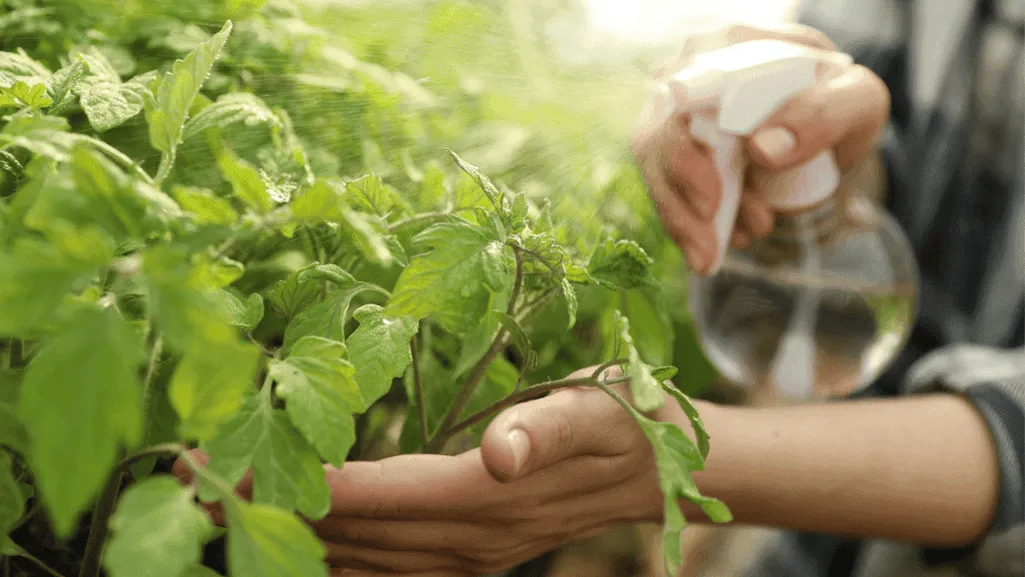
You don’t need commercial chemicals to protect plants — many effective natural pest control remedies can be made from household ingredients. Below are safe, practical DIY sprays, traps, and barriers, plus food-safety and timing tips so you use them without harming people, pets, or beneficial insects.
Use a clean spray bottle for small jobs and always test any homemade spray on a single leaf before treating a whole plant. Apply in the early morning or evening when pollinators are less active. Here are three dependable recipes:
Traps and physical barriers are highly effective for localized pests and avoid chemicals entirely. Use them alongside your sprays for best results.
Safety reminder: always label homemade mixtures, store out of reach of children and pets, test on a small plant area first, and wash edible produce before consuming when sprays have been used.
Reapply homemade sprays every 4–7 days or after heavy rain. If pests persist, pair these remedies with cultural controls (cleaning, pruning, and companion planting) or a targeted organic product. When in doubt, consult local extension guidance for pest-specific recommendations in your area.
 Garden Insect Control Through Proper Garden Maintenance
Good garden maintenance is the foundation of natural pest control. Simple cultural practices — tidy beds, proper watering, timely pruning, and healthy soil — cut pest pressures before you need to reach for sprays. Below are practical, calendar-friendly steps and quick checklists you can follow for strong pest prevention in your area.
Keep a tidy garden to reduce pest habitat: remove fallen fruit, sweep up leaf litter in high-risk areas, and pull weeds that harbor pests. Weekly spot-checks take 10–15 minutes and can prevent small infestations from becoming large problems.
Avoid overwatering — damp, cool conditions encourage slugs, snails, and fungal pests. Water deeply and infrequently so roots grow strong: in many temperate gardens, this means 1–2 deep waterings per week depending on soil and weather. Use drip irrigation or soaker hoses to keep foliage dry and reduce pest-friendly conditions.
Inspect plants regularly and remove diseased or heavily infested parts promptly. Use clean, sharp pruning tools and sanitize between plants with a 10% bleach solution or rubbing alcohol to avoid moving pests or pathogens. Where local regulations prohibit burning garden waste, seal infected material in bags for disposal or follow municipal guidance to prevent spread.
Apply organic mulch (straw, wood chips) to suppress weeds, moderate moisture, and support soil life. Rotate crops annually and diversify plantings to break pest life cycles and reduce large pest build-ups. Healthy soil (compost-amended) produces vigorous plants that better withstand pests — invest in compost and cover crops as part of pest prevention.
A well-maintained garden is the single most effective ‘natural pest control’ tool you have. Follow these simple steps — inspect, clean, water wisely, prune, mulch, and rotate — and your plants will be stronger, less attractive to pests, and more productive over time.
Adopting eco-friendly, natural pest control helps your garden thrive while protecting people, pets, and the environment. Pesticide-free strategies — like companion planting, attracting beneficial insects, targeted organic products, and good garden maintenance — work together to reduce pest pressure and support a balanced ecosystem around home and in larger beds.
Integrated pest management (IPM) combines monitoring, cultural controls, biological controls, and targeted products to manage pests effectively while conserving beneficial insects. When used consistently—regular inspections, soil health improvements, and selective treatments—IPM can substantially reduce pest impacts in your garden.
Healthy soil is the starting point: compost, mulch, and good crop rotation produce resilient plants that better resist pests. Combine that with regular, short inspections and targeted action (for example, a neem oil spray for aphids or diatomaceous earth around seedling rims for crawlers) to keep pest populations in check.
Start small: do a 15-minute inspection this weekend, note any pests and symptoms, and try one natural tactic (companion planting, a trap, or a targeted spray). Track results so you can refine your pest management plan over the season.
Common pests include aphids, mealybugs, whiteflies, spider mites, thrips, caterpillars, slugs, snails, and various beetles; small wildlife like rabbits and squirrels can also cause damage by eating shoots and fruit.
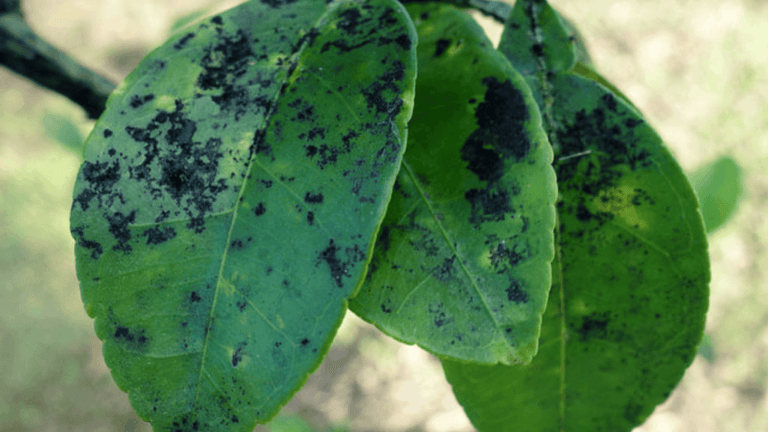
Look for symptoms such as holes in leaves, skeletonized foliage, sticky honeydew, frass (droppings), webbing, or visible pest clusters; inspect undersides of leaves, stems, and the soil line and use photos or samples to confirm identification before treatment.
Natural pest control safeguards beneficial insects and pollinators, reduces chemical exposure for people and pets, supports soil and plant health, and — as part of IPM — provides durable pest reductions with fewer negative environmental impacts.
Call a professional if infestations are severe, persist despite IPM steps, pose structural risks, or involve pests that are hard to identify or regulated; professionals can provide safe, targeted management and advice tailored to your area.





 Optimized by Seraphinite Accelerator