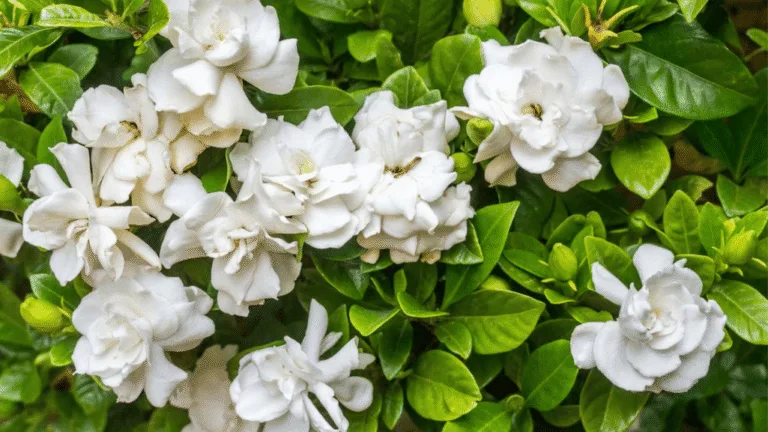
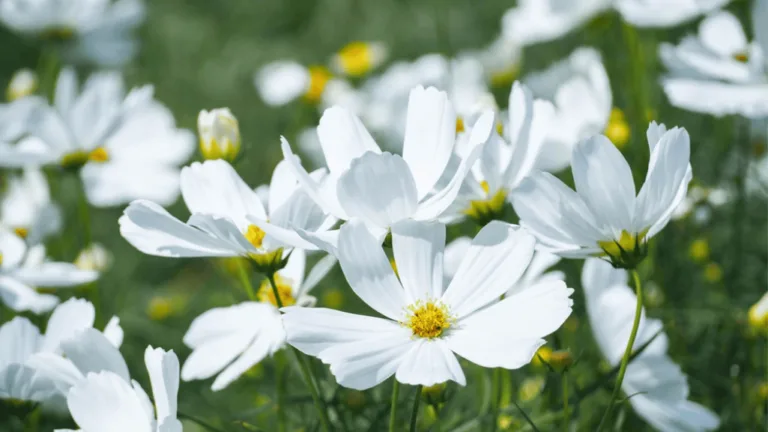
Beautiful flowers gardenia Plants For Your homes
Beautiful flowers gardenia Plants For Your homes

Ready to build a resilient, beautiful garden this season? This shopping-focused roundup highlights varieties proven to perform in USDA conditions for mid-Atlantic and northern areas. Expect clear notes on size, bloom windows, and simple care to help you pick the best options fast.
The USDA plant hardiness guide shows average annual minimums of -10°F to 0°F and a typical frost-free window from mid-May through mid-October. We prioritize selections that establish quickly and overwinter well across 6a–6b.
Plan in layers: use evergreens for structure, flowering shrubs and perennials for seasonal color, and low groundcover at the front. Match light and soil to maximize results with minimal fuss.
This guide lists cultivar names you can find online or at local retailers and notes the best planting windows for reliable blooms and strong growth.
Knowing average annual minimum winter temps helps you choose varieties that return reliably. Expect lows near -10°F to 0°F, which set the baseline for survivability and winter hardiness.
The frost-free window runs from mid-May through mid-October. This span guides planting schedules, bloom planning, and harvest timing for ornamentals and small edibles.
Remember: the USDA plant hardiness map is one tool. It is based on average annual numbers and does not include summer heat, humidity, rainfall, or soil.
Knowing where sunlight, shade, and moisture sit in your yard makes selection simple and effective.
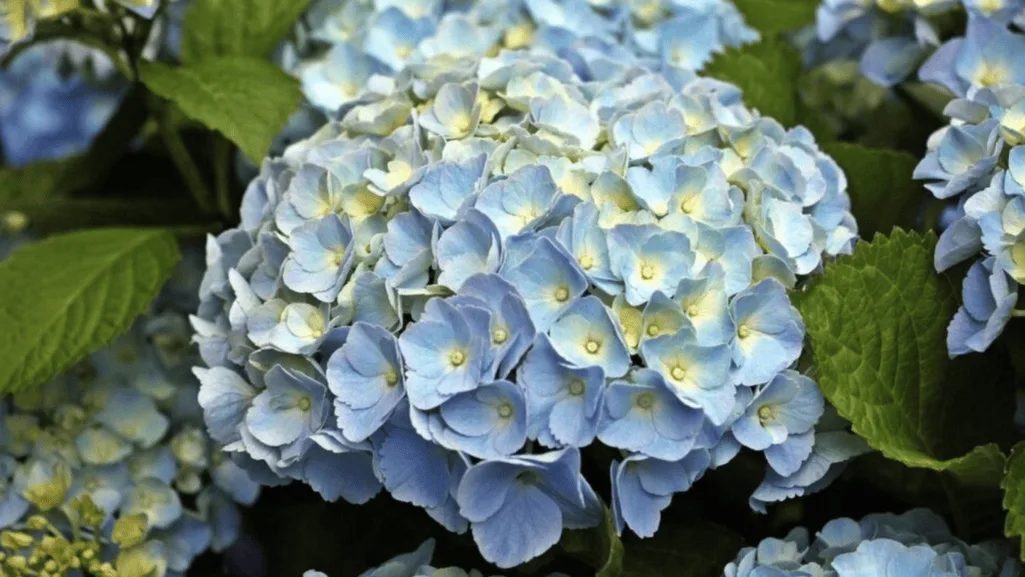
Start by mapping sun exposure: mark areas of full sun, part shade, and dense shade. Track this over a week to see patterns.
Test soil texture and drainage. Amend heavy clay with organic matter and avoid siting a moisture-loving selection where water pools.
Plan a layered layout: evergreens at the back, flowering mid-border, and ground cover up front to tie beds together.
Tip: Favor varieties with proven hardiness for your hardiness zone and those known for attractive foliage. Group like-water needs and repeat forms for a cohesive, low-maintenance look.
For curated options, see our guide to perennial selections for this hardiness range to match site conditions and achieve true year-round interest.
A few well-chosen evergreen shrubs set the frame for seasonal blooms and tidy borders. Use upright and compact forms to create structure that reads well from winter into fall.
North Pole arborvitae grows 10–15 ft tall and 3–5 ft wide. It is ideal for narrow screening and privacy in Zone 3–8.
Tip: Plant in full sun to part shade and stagger spacing to match mature sizes.
Gem Box inkberry is a boxwood-like broadleaf evergreen about 2–3 ft tall and wide. It holds dense, glossy green leaves and offers superior winter hardiness.
This shrub resists winter damage and fills the mid-border with steady foliage.
Sprinter boxwood matures 2–4 ft tall and wide with a compact, fast habit. Use it for low hedging, container accents, or formal edges.
“Evergreens bridge seasonal gaps and keep beds visually steady all year.”
Choose flowering shrubs that extend color from late spring right through fall with minimal fuss. These selections balance long bloom windows with strong form so borders read well even when not in full bloom.
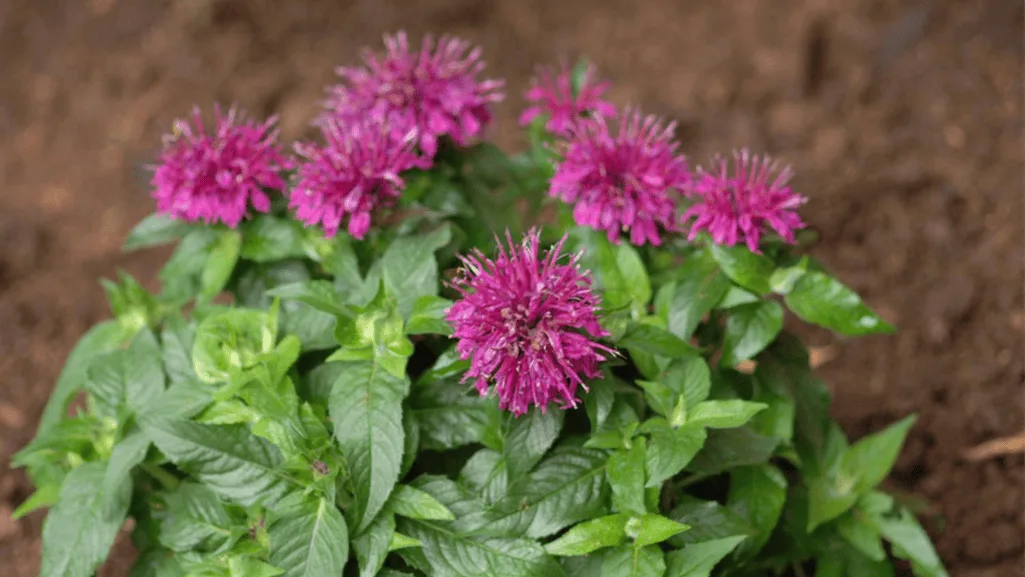
Miss Molly stays compact at about 4–5 ft and produces saturated pink-red flower spikes from summer into fall. It is a non-invasive, pollinator-magnet that fits small beds and container use.
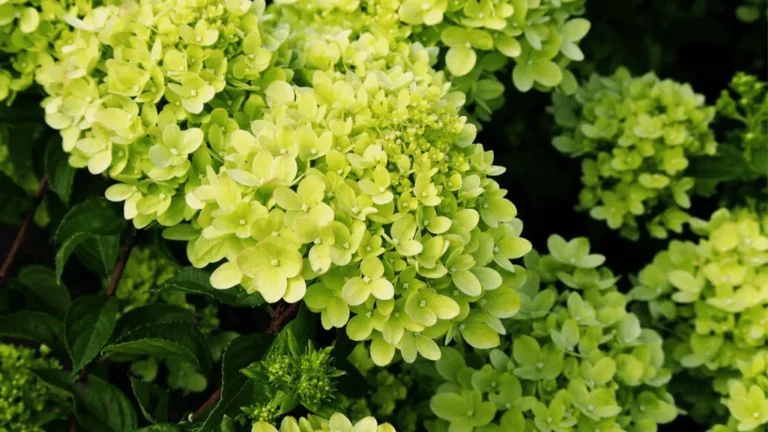
Mix panicle, smooth, bigleaf, and mountain types to stretch bloom. Little Lime (paniculata) gives late-season structure, Invincibelle Limetta (arborescens) thrives in this area, and Wee Bit Grumpy (macrophylla) is a dwarf with deep-purple punch.
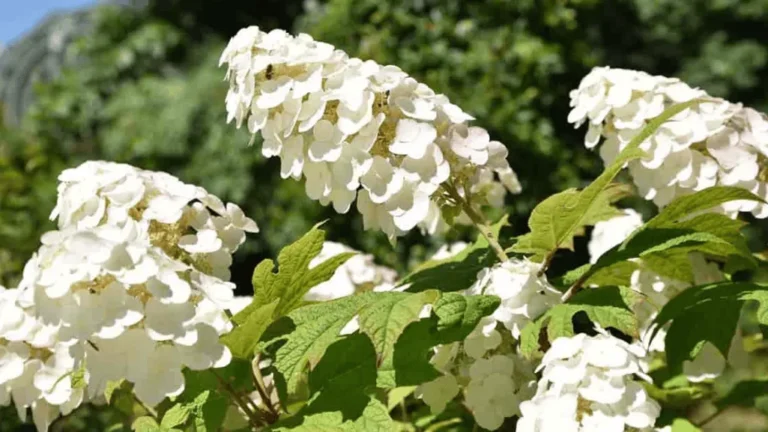
Note: mountain-type hydrangeas add delicate lacecap texture; verify hardiness for your microclimate before planting.
Rosa ‘At Last’ stays near 2’6″–3′ and blooms from late spring through fall. It pairs fragrance with landscape-grade disease resistance, making it a proven winner for repeat color with lower maintenance.
“Stagger heights and group by light needs to keep blooms moving from spring through fall.”
Choose reliable perennials that give steady color with little fuss from late spring through fall. These selections combine strong hardiness with attractive form and easy care.
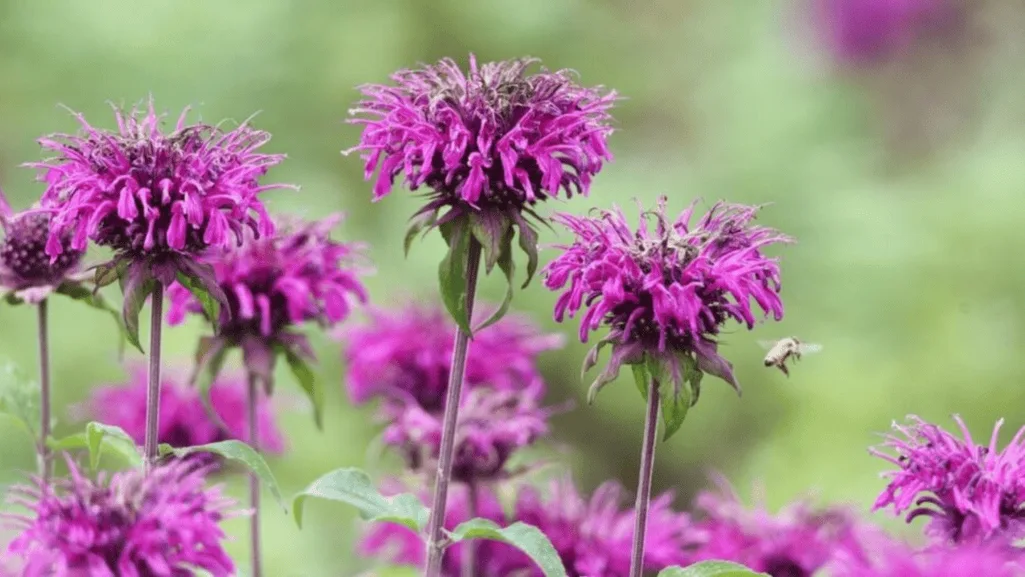
Cat’s Pajamas stays 12–14 inches tall and spreads 18–20 inches. It blooms indigo-blue from late spring through fall and works well as an edging or mass planting.
Denim ’n Lace reaches about 28–32 inches tall and 34–38 inches wide. It forms sturdy, airy blue spires and tolerates drought once established. Use it for upright contrast in sunny beds.
This cultivar makes compact clumps 14–16 inches tall and 18–22 inches wide. Its violet-blue flower spikes add vertical accents in the mid-border.
“Repeat clumps to build long-lasting color and easy-care structure across beds.”
In low light, leaf color and form carry the design when flowers are scarce. Choose perennials that give season-long interest with strong contrast and clear hardiness.
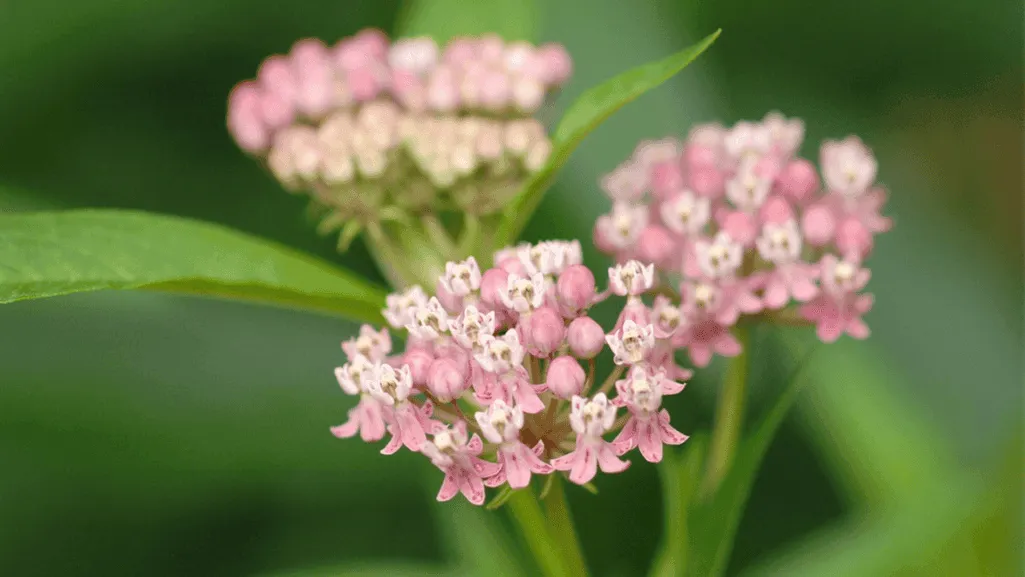
Hosta ‘Shadowland Autumn Frost’ offers frosty blue leaves with a wide cream margin that matures to near-white. It reaches about 12 inches tall and roughly 2 feet wide, thriving in shade and rated for a broad hardiness zone range.
Heuchera Primo ‘Wild Rose’ brings vivid rosy-purple foliage and a spreading habit. At 8–10 inches tall and 18–20 inches wide, it tolerates sun to shade depending on local exposure and adds strong contrast in mixed beds.
Tip: Combine different leaf sizes and textures—broad hosta leaves against the finer heuchera mounds—to create a curated, year-round focal area that still reads well when flowers pause.
Design garden pockets that support insects and birds by layering fragrant blooms, berry producers, and sheltering foliage. These deciduous selections supply food, cover, and seasonal drama with minimal fuss.
Scentara Double Blue (Syringa x hyacinthiflora) reaches 6–8 ft and bears intensely fragrant spring flowers. Plant groups near patios to boost scent and attract early pollinators. It also makes excellent cut stems for indoor bouquets.
Low Scape Mound aronia is a compact deciduous shrub, 18 in.–3 ft wide. It shows clusters of white flowers in spring, dark berries for birds, and vivid fall color.
Berry Poppins winterberry (Ilex verticillata) makes 3–4 ft showy berry displays that last into winter. Include a male pollinator nearby for reliable fruit set. This shrub tolerates wetter soils better than many landscape options.
“Mix bloom and berry producers to feed bees in spring and birds in autumn.”
Small-site gardens benefit from compact shrubs that deliver big color without crowding walkways. Choose mounded forms and dwarf selections to keep paths clear and simplify care.
Yuki Cherry Blossom stays 12–24 inches in mature sizes and makes an elegant, low mound. Its spring display of pink flowers reads well en masse and the shrub shows rich burgundy fall foliage.
Use it as a flowering ground cover on slopes or at the front of borders to soften edges.
This dwarf bigleaf hydrangea reaches about 2 ft tall and 2½ ft wide. It produces saturated deep‑purple blooms on a compact frame, ideal for containers and tight beds.
Place near patios for easy viewing and to pair with taller accents.
Double Play Candy Corn forms a neat mound 18–24 inches tall and up to 30 inches wide. Foliage shifts from red-orange to pineapple-yellow, offering striking colorful foliage through the season.
It is a low-maintenance shrub that tolerates light trimming and keeps a tidy edge.
“Select proven winners in compact forms to avoid midseason redesigns in tight beds.”
Massing low, flowering mounds creates instant cohesion and slashes upkeep for busy yards. Use broad sweeps and repeat colors to make separate beds read as one. That approach also reduces weeding and watering needs.
Mass Cat’s Pajamas catmint in wide drifts to form a low, flowering carpet from late spring through fall. It suppresses weeds and links beds visually.
Weave in clumps of Magic Show ‘Wizard of Ahhs’ speedwell for upright violet-blue flower spikes. The contrast creates rhythm without extra care.
Plant Yuki Cherry Blossom deutzia as a low, flowering ground cover at borders or cascading down gentle slopes. Its compact sizes make it ideal for front-of-border impact.
Edge larger beds with Low Scape Mound aronia for wildlife value, berries, and bright fall color. These low mounds add structure and seasonal interest with minimal pruning.
“Repeat simple forms and color themes to make maintenance easier and views more unified.”
Statement shrubs can act like living sculptures, shifting color and texture through the year. Pick a few that offer strong stems, bold leaves, and seasonal flowers to keep beds interesting from spring to winter.
Ginger Wine reaches about 5–6 ft and mixes orange that deepens to burgundy. It produces white spring flowers, red seed heads, and exfoliating bark for winter texture.
Arctic Fire Red stays 3–5 ft and shows brilliant red winter stems that pop against snow and evergreens. It also offers seasonal flowers and bird‑friendly berries.
Blue Chiffon gives a tropical look with blue, anemone‑style blooms in late summer. This hardy, deciduous shrub grows taller—8–12 ft—so place it where it frames views without crowding the house.
“Select statement pieces that combine attractive foliage with seasonal flowers and reliable hardiness.”
A simple seasonal plan—late spring for tender shrubs, early fall for many perennials and evergreens—keeps your garden resilient.
Plant tender shrubs and heat-loving varieties after the last frost in late spring so new growth avoids early cold stress. This gives roots time to spread during the warm season.
Reserve many perennials and evergreens for early fall. Cooler air and warm soil help roots develop before minimum winter conditions arrive.
Apply 2–3 inches of mulch, keeping it pulled back from stems. Mulch moderates soil temps as minimum winter swings approach and protects crowns.
Space selections to match mature sizes. Correct spacing improves airflow, reduces disease, and cuts pruning needs in future seasons.
Loosen planting beds and mix in compost to boost drainage and root growth. Test wet spots and raise or amend low areas so roots don’t sit in cold, saturated soil.
Water deeply and consistently the first season to anchor roots before the first hard frost. Apply light, early fertilization and avoid late-season nitrogen that can force tender late spring growth before winter temperatures drop.
“Give roots time and the right conditions now to reduce winter losses later.”
Finish your plan with a balanced mix of shrubs, perennials, and evergreens chosen for local microclimates. This approach delivers year-round color and long-lasting color from spring through summer and into fall.
Lean on foliage texture—green leaves, contrasting forms, and a few white flowers or pink flowers—to keep the garden engaging between blooms. Pick compact, right-sized selections to simplify care and avoid midseason pruning.
Remember: confirm hardiness zone ratings and the average annual minimum and allow time to establish before minimum winter conditions. If you’re shopping, check seasonal plants sale offers to stock up on reliable performers.