Beautiful flowers gardenia Plants For Your homes
 Skip to content
Beautiful flowers gardenia Plants For Your homes


November birth flower this quick guide introduces the chrysanthemum, the signature bloom of late season gardens in the United States, and previews what you will learn about meaning, symbolism, colors, cultural notes, and care.
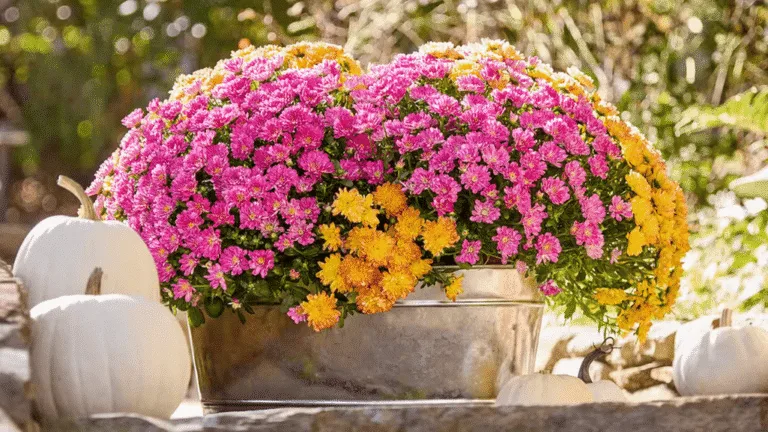
The chrysanthemum—often called a mum—is prized for bold color when many other options fade in fall. The name comes from Greek: chrysos meaning “gold” and anthemion meaning “flower,” a label given by Carl Linnaeus. Originally golden, mums now appear in white, red, pink, yellow, purple, and orange.
This article covers both the primary chrysanthemum and the lesser-known peony as November-related blooms for gifting and celebrations. Expect a quick overview, a deep dive into meanings and colors, a concise history, and practical growing and gifting tips for U.S. readers.
Why this matters: chrysanthemums offer resilience, wide availability, and seasonal weight in arrangements. You’ll also find styling pointers for home decor and color meanings to guide thoughtful selections for milestones and heartfelt sentiments. For more detailed background, see this resource on the topic at november birth flower.
Chrysanthemums are the official emblem of the month and a top choice for autumn bouquets. They offer durable stems, varied forms, and long vase life, so florists and gardeners rely on them for seasonal color.
The chrysanthemum appears in many shapes and hues, from pompon heads to spider-like blooms. Mums are widely grown, hardy, and popular in mixed arrangements and massed plantings.
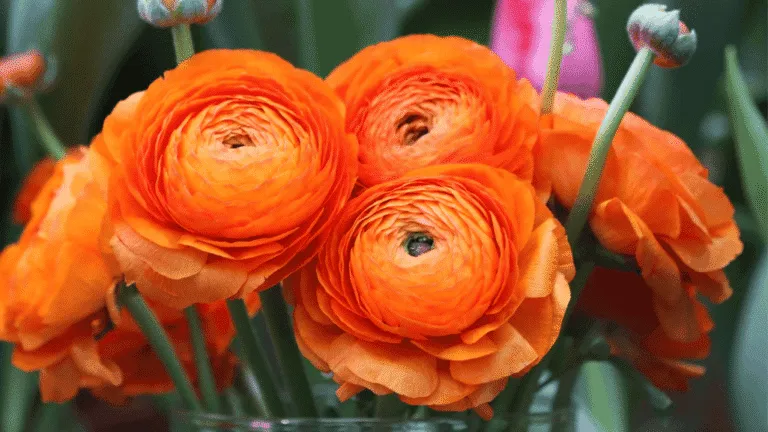
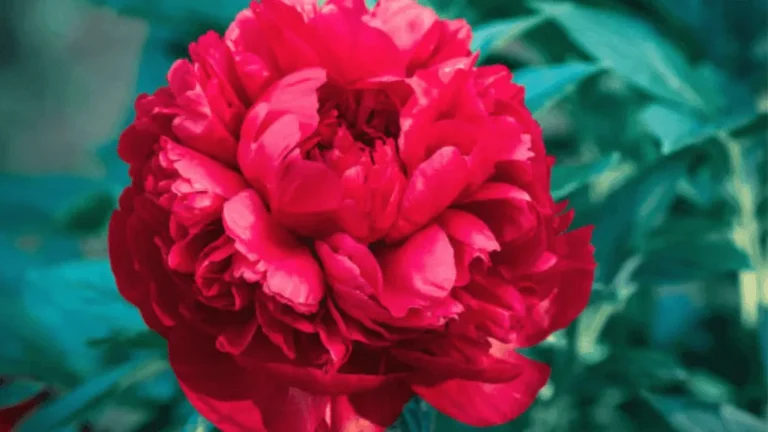
Peonies are also cited as a lesser-known option for the month. They bloom in late spring, so they are often special-ordered for autumn gifting. Their ruffled petals make dramatic statement bouquets.
Usage and symbolism: chrysanthemums suit everyday bouquets and seasonal centerpieces. They symbolize longevity, joy, friendship, and loyalty. Peonies convey love, honor, and good fortune and shine as gesture pieces when available.
“Choose based on color, meaning, and the recipient’s preferences.”
Few blooms combine cheerful color and deep symbolism the way chrysanthemums do in late-season arrangements.
Core meanings are loyalty, friendship, joy, longevity, and optimism. These traits make the chrysanthemum a thoughtful choice for an autumnal gift or a 13th anniversary bouquet.

Be mindful of cultural contrasts: in parts of Europe chrysanthemums are linked to mourning, while in China and Japan they often symbolize youth and vitality.
“A single chrysanthemum petal in wine was once believed to bring longevity.”
For occasions, pair colors to match intent — red and white for sincere passion, pink and green for upbeat support, or yellow for hopeful new starts — and always consider local symbolism when gifting.
From herbal salads in Bronze Age China to imperial symbols in Japan, the chrysanthemum’s story spans millennia.

Chinese gardeners cultivated these plants as early as the 15th century B.C. They were eaten, brewed into teas, and painted in classical art.
The name comes from Greek words meaning “gold” and “flower,” and Carl Linnaeus later formalized the genus in modern taxonomy.
In China, chrysanthemums rank among the “Four Gentlemen” in traditional painting, each representing a season and virtue.
Japan elevated the bloom to national status. The imperial seal and the annual Festival of Happiness on Sept 9 celebrate its cultural weight.
By the 17th century chrysanthemums reached Europe, then crossed to the United States where gardeners and florists embraced them.
“A single petal in wine was once believed to bring longevity.”
For more on symbolism and seasonal uses, see this guide at november birth flower.
Mums make dependable autumn displays because they respond to shorter days and steady care. This short guide explains how to plant, maintain, and style chrysanthemums for the best fall results.
Plant mums from seed, cuttings, or division in early spring after the last frost. Give each plant at least six weeks to develop roots before hot or freezing weather arrives.
Pinch at 6 inches and again at 12 inches to encourage branching. Keep soil fertile and well drained, and deadhead faded blooms to extend the display.
Space plants 18–30 inches apart for airflow and disease prevention. Divide clumps every 3–5 years and avoid planting mums in the same bed more than three straight years to reduce pests and mildew.
After a hard frost kills foliage, cut stems to the ground and mulch to protect roots; most garden perennials perform well in zones 5–9 when mulched properly.

For containers, choose bright indirect light, moist but not waterlogged soil, and cool nights near 60–65°F. Florist mums often need controlled conditions to rebloom; separating and repotting individual plants improves chances.
“Feed and deadhead through summer so plants set strong buds for autumn.”
Chrysanthemums bring vivid color and layered symbolism to late-year celebrations.
As the United States’ favored “Queen of Fall flowers,” mums offer abundant color, long vase life, and clear meanings for gifts. For a november birth, the november birth flower works well for birthdays, anniversaries, and seasonal decor.
Use color to guide intent: red for passion and true love, white for honesty, yellow for optimism, green for luck, purple for thoughtfulness, and pink for friendship.
Be mindful of regional symbolism—European customs sometimes link chrysanthemums to mourning. Peonies also appear in some lists and pair well with 12th-anniversary occasions while chrysanthemums suit a 13th anniversary.
Choose colors that match the recipient, then follow care tips to keep blooms bright through the season.


 Optimized by Seraphinite Accelerator