Beautiful flowers gardenia Plants For Your homes
 Skip to content
Beautiful flowers gardenia Plants For Your homes

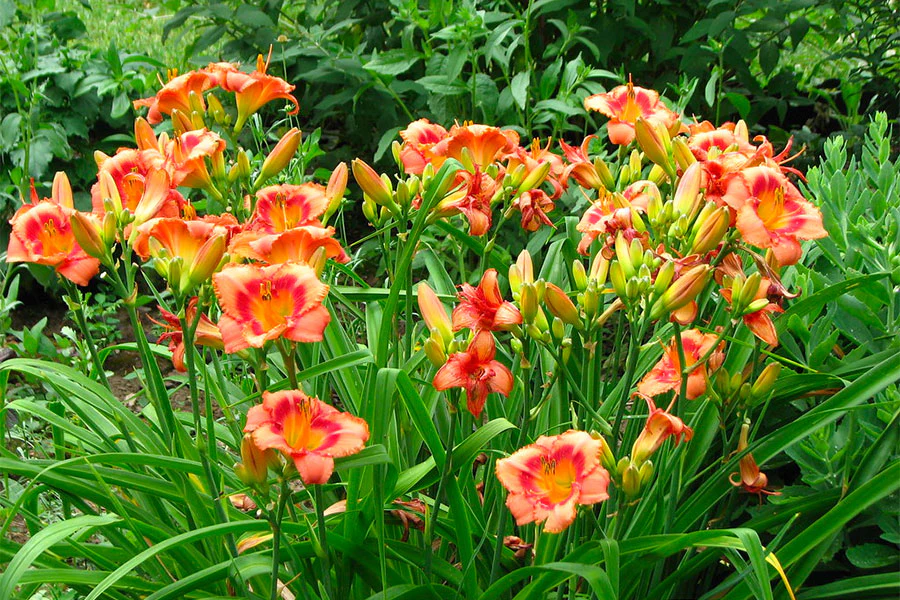
Transform your outdoor space with a wide variety of flowering groundcovers. They offer a perfect balance of weed control, erosion prevention, and captivating visual appeal. These low-growing floral plants are great for filling in bare spots under large trees, on sunny slopes, and other challenging areas.
In addition to adding welcome color, these plants act like living mulch. They protect soil from erosion and drought.
Low-maintenance groundcover plants come in a range of sizes. Some reach up to 8 inches tall (Armeria), while others grow up to 30 inches tall (Dianthus). These mat-forming flowers thrive in various Plant Hardiness Zones, ranging from 3 to 9. This shows their adaptability to different climates.
Whether you’re looking for weed-suppressing florals or spreading flowers to cover a large area, there’s a ground cover solution for every garden.
https://www.youtube.com/watch?v=n4YWLxub4iE
Flowering ground covers bring many benefits to gardens. They make your outdoor space look better and help your garden stay healthy. These plants are both practical and beautiful.
Ground covers can block sunlight, stopping weeds from growing. This means less weeding for you. They also help keep soil in place, preventing erosion.
These plants add color to your garden, making it lively. They come in many colors, from soft pastels to bright hues. They fill gaps and soften edges, making your garden look great.
Ground covers are easy to care for, perfect for busy people. They need little water, food, and pruning. Plants like sedum and thyme are great for tough spots.
Adding flowering ground covers to your garden has many benefits. They fight weeds, control erosion, and add color and interest. These plants are easy to care for and can solve many landscaping problems. They can turn any garden into a beautiful oasis.
When picking ground cover flowers for your garden, think about a few key things. The amount of sun the area gets is important. For example, creeping phlox loves full sun, while bugleweed does well in shade. Also, the soil type matters, as many ground covers like well-drained soil but some can handle clay or rocky ground.
First, check how much sun your garden gets. Full sun spots get six hours of direct sunlight a day. Partial shade areas get three to six hours. Full shade spots get less than three hours. Choose plants that match the light they need for them to grow well.
Soil type is also key. Some ground covers like sandy, well-drained soil, while others can handle clay or rocky ground.
To make your garden colorful all year, pick ground cover flowers that bloom at different times. For example, use early-spring bloomers like creeping phlox, summer bloomers like sedum, and fall bloomers like creeping thyme. This way, your garden will look great from spring to fall.
Think about your garden’s color scheme. Choose ground covers that match or contrast with your existing plants. This will make your garden look even better.
In a woodland garden near Seattle, innovative patterns are created by combining two or more ground cover varieties: Hosta and Begonia Grandis were used.
Ground cover plants come in different heights, from 1 inch to 3-4 feet. Pick ones that fit your garden’s size. For small spaces or between stepping stones, use compact plants like mazus or creeping thyme. For larger areas or under trees and shrubs, choose taller plants like bugleweed or sweet woodruff.
Also, think about how fast the plants spread. Some grow quickly and fill an area fast, while others grow slower. This helps you plan how your garden will look over time.
By choosing ground cover flowers wisely, you can make a beautiful, easy-to-care-for garden. It will keep weeds down, prevent erosion, and look great all year.
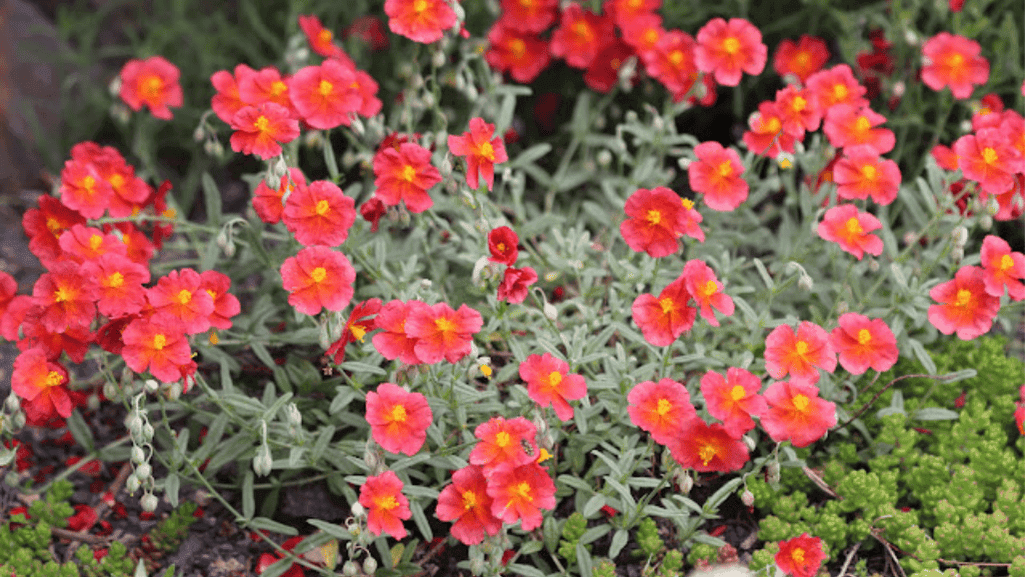
Sun-loving ground cover flowers are great for a beautiful, easy garden. These spreading perennials add color and texture. They also help keep weeds away and prevent soil erosion. These plants are perfect for a stunning garden with little effort.
Creeping Phlox is loved for sunny gardens. It has dense mats of green leaves and colorful flowers in spring. It’s hardy in zones 4-9 and fills in beds or cascades over walls.
It’s great for dry conditions and attracts pollinators. Creeping Phlox is essential for any sun-loving garden.
Sedum, or Stonecrop, is a top choice for sunny spots. These succulents have fleshy leaves and star-shaped flowers in summer and fall. Creeping Stonecrops spread fast and are good for zones 4-9.
But, some types like Sedum kamtschaticum ‘Variegatum’ prefer hot, well-drained sites. They grow less aggressively.
Creeping Thyme is fragrant and attracts bees. It loves full sun and well-drained soil. It’s great for stepping stones or as a lawn substitute.
Most types are hardy in zones 4-9. But, some like ‘Pink Ripple’ take years to cover an area fully.
Sun-loving ground covers need little care, making them perfect for busy gardeners or those saving water.
When picking ground cover flowers, think about hardiness, growth rate, and size. Some, like Sedum album, spread fast and might be invasive. Others, like Arctostaphylos uva-ursi kinnikinnick, grow slower but are more controlled.
Choosing the right plants for your garden conditions and goals creates a beautiful, easy garden. It will thrive for years.
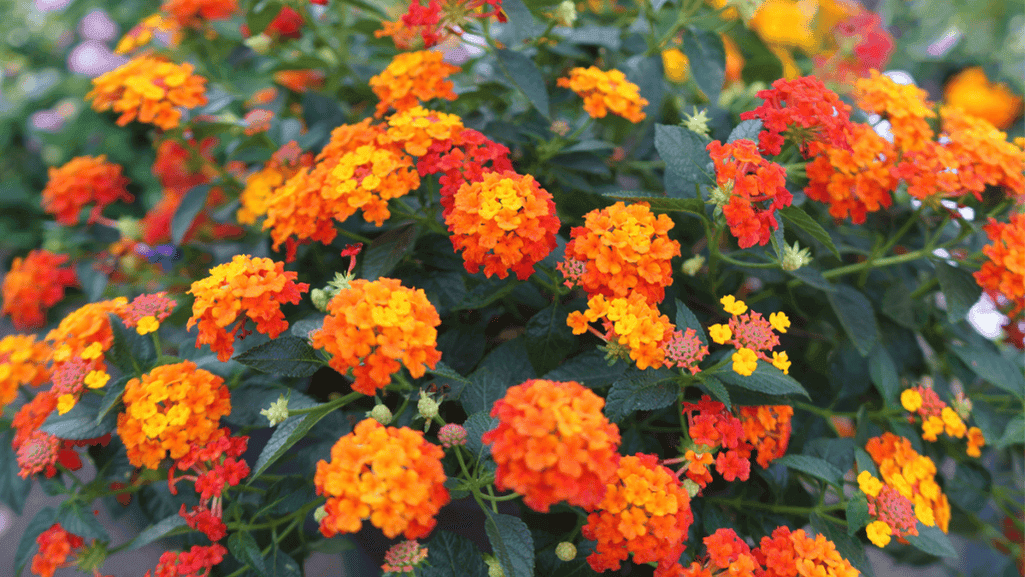
Choosing the right shade-loving groundcovers is key for a lush garden in shady spots. These plants add color, fight weeds, and stop soil erosion. With many options, you can find the perfect fit for your garden.
Bugleweed, or Ajuga reptans, is a tough evergreen that loves shade. It grows 6-9 inches tall and 2-3 feet wide, great for big areas. In late spring, it blooms with violet-blue flowers, brightening up shady spots. It’s perfect for zones 3-8 and spreads fast to cover ground.
Barrenwort, or Epimedium, is a lovely shade plant with delicate flowers and semi-evergreen leaves. It comes in pink, red, violet, and yellow. It’s 6-12 inches tall and 10-20 inches wide, ideal for small spaces or as a highlight. It does well in partial to full shade and is good for zones 5-9.
Fun fact: Epimedium is also known as “bishop’s hat” due to the shape of its flowers.
Sweet Woodruff is a magical ground cover for heavy shade. It blooms in spring with tiny white flowers and bright green leaves. It grows 4-7 inches tall and 1-2 feet wide, creating a lush carpet. It’s good for zones 4-9 and spreads slowly, making it easy to manage.
Other notable shade-tolerant groundcovers include:
When picking shade-loving groundcovers, think about height, spread, bloom time, and hardiness zones. The right plants make a beautiful, easy-to-care-for shade garden.
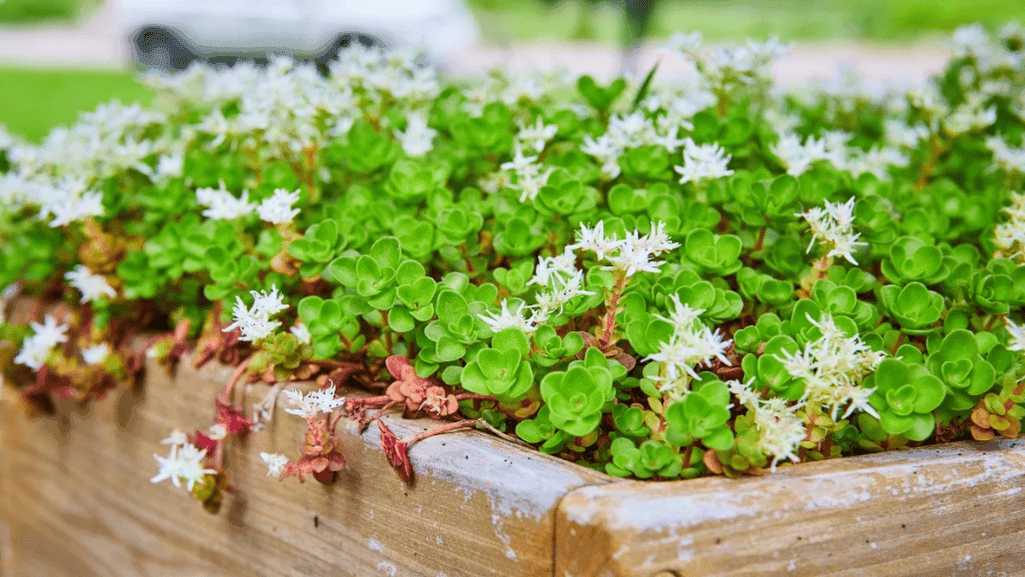
Ground cover flowers are great for controlling weeds, preventing erosion, and adding beauty to gardens. They come in many types, each suited for different needs. You can pick the right one based on hardiness zone, sun, color, soil, and moisture.
For deer problems, try candytuft or creeping thyme. In dry areas, sedum or ice plant are good choices. They are beautiful and save water. Creeping phlox and brass buttons help keep soil in place on slopes.
A recent study found that using ground cover flowers can reduce maintenance requirements by up to 60% in specific garden situations, compared to traditional landscaping methods.
Rock garden plants like basket-of-gold or creeping speedwell bring color and texture. They do well in well-draining soils. Ground cover flowers are also a great alternative to lawns, needing less care and looking good.
Ground cover flowers come in many colors, from lime green to deep burgundy. They fit in zones 3 to 10 and need different amounts of sun. Adding these plants makes gardens more eco-friendly and easier to care for.
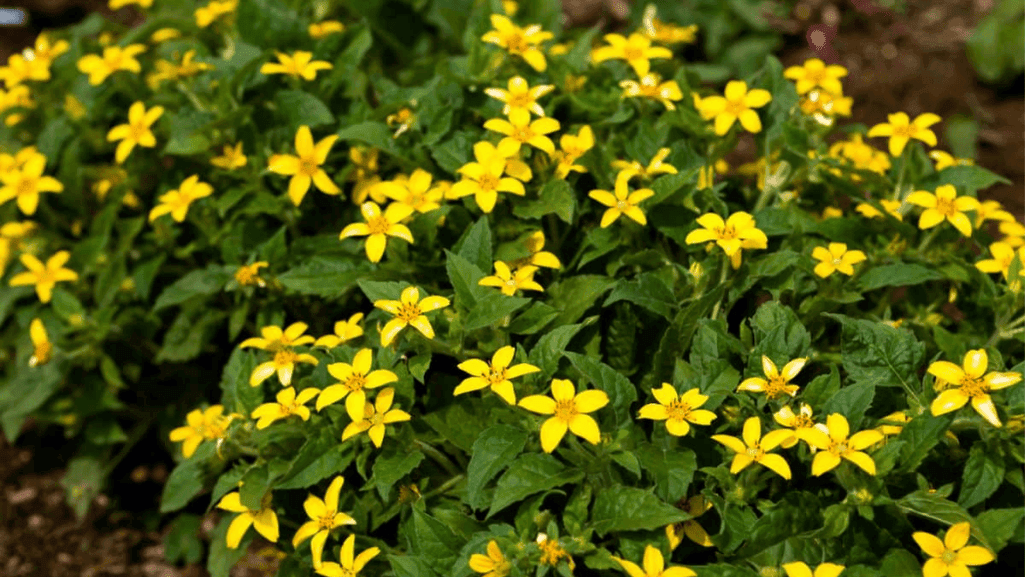
To make stunning no-mow flower beds and floral carpets, you need the right planting and care. Follow these tips to make your garden lush and beautiful. Your landscaping foliage will thrive into evergreen mats.
Start by preparing the soil. Remove weeds and till it 8 to 10 inches deep. Add a 2-inch layer of organic matter to help with water.
Test your soil to know what fertilizers to use. Plant your ground covers about a foot apart. For quick coverage, plant them closer. Fall is the best time to plant.
Water your plants regularly the first year. Different plants need different amounts of water. Check your plant’s needs.
Use a complete fertilizer 4 to 6 weeks after planting. Follow the instructions for how much to use. Adjust as needed for coverage speed.
Tip: Mulching with a 2-inch layer after planting helps reduce weeds and retain moisture, promoting healthier growth of your ground cover flowers.
Most ground covers need little care once they’re established. But some might need pruning or mowing. Prune in early spring for new growth.
Keep an eye on weeds, water, and nutrients in the first couple of years. Adjust your plants as needed for the best look.
Ground cover flowers are great for gardeners looking for easy solutions. They add color, fight weeds, and stop erosion. These plants cut down on weeding, saving time and effort.
Their strong roots help prevent soil from washing away. This is especially helpful on slopes or where soil is loose. Ground covers also keep the soil moist, saving water and money.
There are many colorful ground covers for different areas. Creeping Phlox and Sedum do well in the sun. Bugleweed and Sweet Woodruff prefer shade. These easy-care plants grow slower than grass, needing less trimming.
Ground covers make gardens look better and help nature by supporting insects and animals. They don’t need much fertilizer or pesticides. This means less harm to the environment.
Whether your garden is sunny or shady, there’s a ground cover for you. Choosing the right one makes your garden beautiful and easy to care for. Liriope is a good pick for a low-maintenance option that fights weeds and erosion.


 Optimized by Seraphinite Accelerator