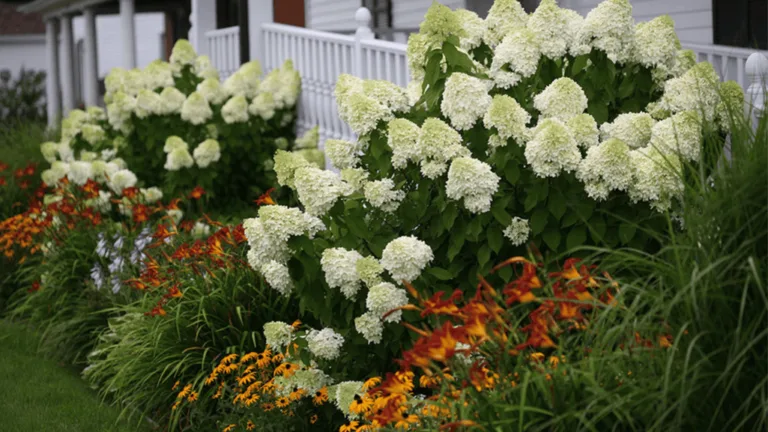
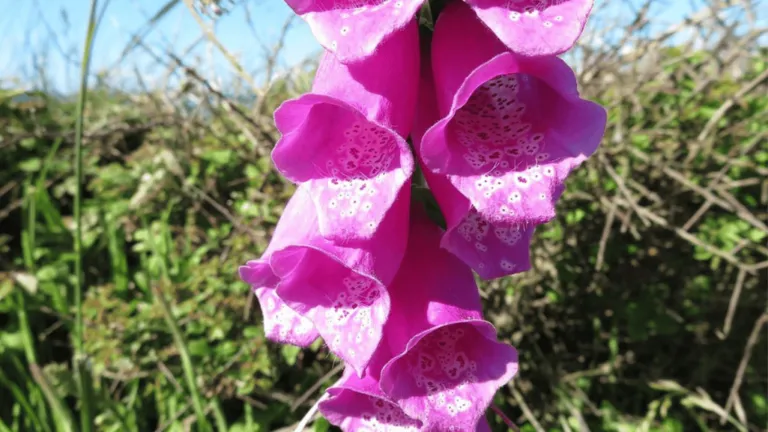
Beautiful flowers gardenia Plants For Your homes
Beautiful flowers gardenia Plants For Your homes

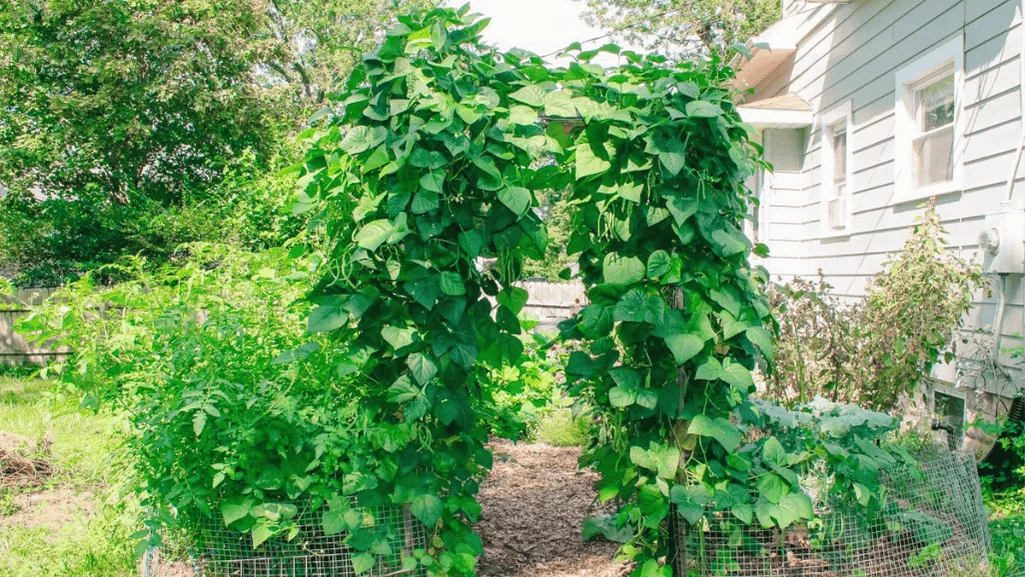
Turn a small backyard or balcony into a lush, vertical oasis with budget-friendly DIY trellis ideas you can build in a weekend. Vertical gardening saves garden space, keeps plants healthier by improving airflow and light exposure, and makes harvesting easier. With a few cheap materials and a bit of creativity, you can craft trellises that support climbers and add real style to your garden.
Trellises work great for tomatoes, cucumbers, vining beans, and ornamental vines — they free up ground space, create living walls, and help you carve out private nooks or dining spots in your outdoor area. Ready to build? Read on for simple, low-cost ideas and step-by-step projects you can start today.
Vertical gardening with a sturdy trellis gives several practical benefits. By training plants to grow up instead of out, you reclaim usable ground space, improve airflow and light exposure (which reduces disease), and make harvesting and maintenance easier. DIY trellises let you add these advantages affordably using reclaimed or low-cost materials.
Here are quick, measurable wins you can expect when you add trellises to a small garden or container setup:
In a small raised bed or a 4′ x 4′ plot, training climbers up a trellis can effectively double the number of plants you can manage in the same footprint — for example, vertical cucumbers or indeterminate tomatoes take up far less ground than their sprawling counterparts. For balconies and container gardening, integrated trellises let you stack plantings and use vertical wall space efficiently.
Vertical setups also support healthier growth: vines get more sun on their leaves and fruit stays cleaner and less prone to rot. Whether you build a simple twine net for peas or a cattle-panel arch for heavier vines, a well-placed trellis gives your plants a safer structure to climb and helps them produce more.
Beyond function, trellises can transform fences and blank walls into living displays. Use a simple lattice behind a bench, a row of ladder trellises to create a green privacy screen, or a curved metal trellis as an entryway feature. Plants such as clematis, jasmine, and sweet peas offer both flowers and fragrance when trained on a decorative support.
There are many trellis designs to choose from — from simple twine supports for peas and snap peas to sturdy cattle panels for heavy vines. Explore space-saving trellis designs to match your garden style and the plants you’re growing: some trellises are best for lightweight vines, while others are built for heavy fruiting plants like indeterminate tomatoes.
Vertical gardening with trellises not only maximizes space and improves plant health but also adds a beautiful and dramatic element to your garden design.
Making your own garden supports is rewarding and often low-cost. Below is a compact materials guide — short shopping notes, typical sizes, and when to choose each option so you can build trellises that last and support the weight of your plants.
Quick tip: when using natural twine for peas, run parallel lines 6–8″ apart and tie to top and bottom supports so plants can grab and climb easily.
Note on cost: prices change by region — remesh or welded wire is often among the cheapest durable options per panel, while bamboo poles or reclaimed wood can be free or low-cost if sourced locally.
Make sure natural materials are strong enough for your plants. Fresh, strong sticks prevent breakage as plants grow.
With a little creativity you can mix reclaimed finds and store-bought materials to build strong, attractive trellises for raised bed and in-ground gardening. Anchor posts well into the ground or bed edge to handle the weight of vines and fruit — if you expect heavy loads, use metal posts or deeper wood posts and secure with concrete or extra bracing.
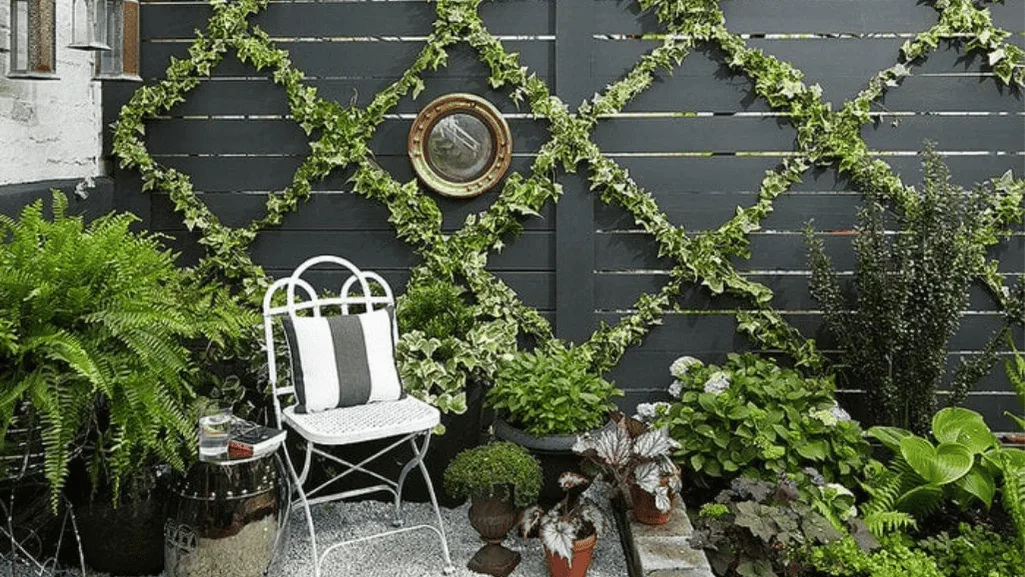
With a few basic materials and one weekend, you can build trellises that look great and support your plants. Below are three simple, time-tested designs — each includes a short materials list, estimated build time, difficulty, and what to plant on it.
Materials: old wooden ladder or 2×4 posts + horizontal furring strips, exterior screws, paint or stain. Time: ~45–90 minutes. Difficulty: Easy. Best for: vining annuals and ornamentals.
Materials: 6–8 bamboo poles (6–8 ft long), garden twine, mallet. Time: ~30–60 minutes. Difficulty: Very Easy. Best for: pole beans, peas, and other light climbers.
Reader tip: using natural twine on a bamboo teepee is gentle on young bean stems. It took one gardener less than an hour to build a teepee and plant beans — a quick weekend win.
Materials: old bed spring, metal paint (rust-resistant), rebar or heavy stakes for anchoring. Time: ~60–120 minutes (cleaning/painting adds time). Difficulty: Moderate. Best for: ornamental vines and lighter climbers where a decorative support is desired.
Remember: safety and anchoring matter. For any freestanding trellis, sink posts into the ground or a raised bed edge 6–12″ deep and brace when supporting heavy plants like indeterminate tomatoes. Use soft ties or twine to avoid cutting into stems as they grow.
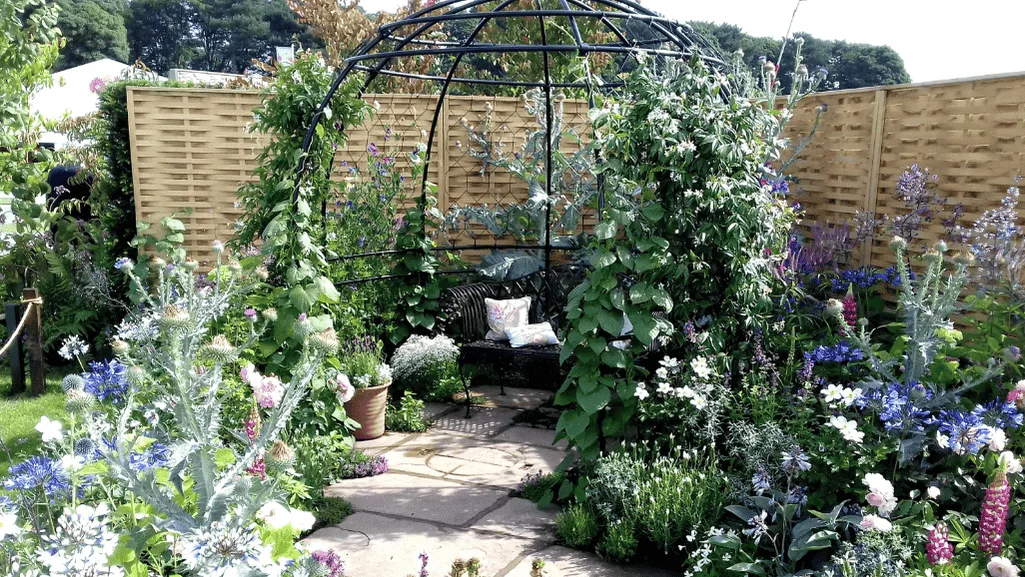
Use these low-cost trellis alternatives to give climbing plants the support they need while keeping your project budget-friendly. Below are practical pairings and guidance so you pick the right trellis for the plant and the load it will carry.
Ideas for budget-friendly supports:
Integrated container trellises are an excellent way to maximize garden space — place a trellis at the back of a raised bed or container and plant vertically to create a layered layout that saves ground area while giving plants room to climb.
Design tip: use a mix of low-cost trellises (twine for peas, bamboo for beans, metal panels for tomatoes) to balance cost and strength across a vegetable garden.
Evergreen climbers are great for year-round privacy when planted on sturdy boundary trellises; choose appropriate heavy-duty supports for long-lived, woody vines.
Whether you choose bamboo, twine, cattle panels, or a mix of inexpensive supports, these low-cost ideas help you add vertical interest and boost productivity in your garden without breaking the bank.
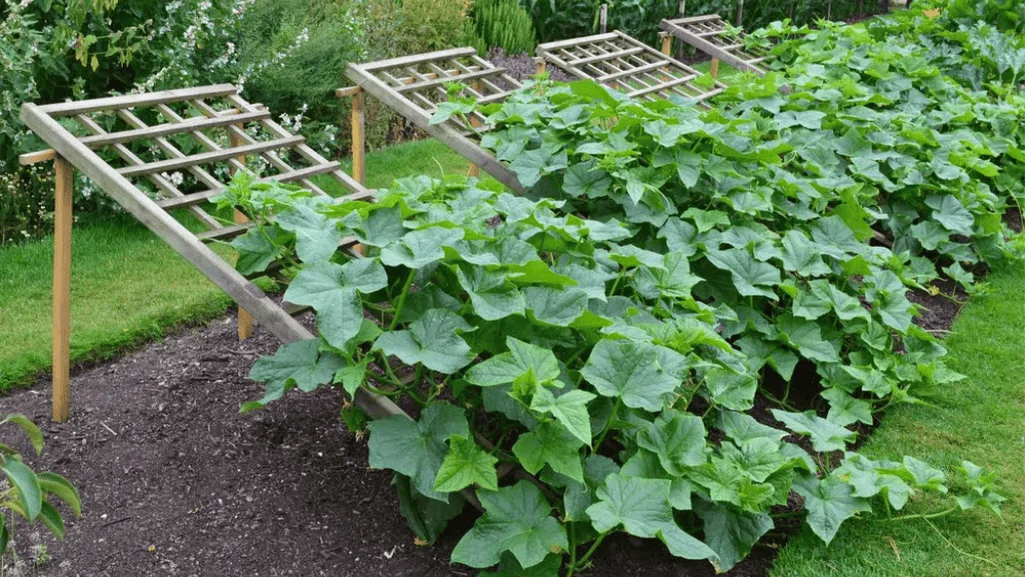
A great trellis fits the plants you’re growing and the space you have. Small adjustments — changing height, joining panels, or adding decorations — can turn an inexpensive support into a perfect feature for your garden. Below are practical tips for sizing, shaping, and styling your trellis.
If you join metal or remesh panels, use UV-rated zip ties or metal clips at 12–18″ intervals and add a vertical post every 4–6 ft to distribute weight. Make sure connections are tight and avoid sharp edges near plants.
Practical sizing example: for a narrow side-yard, use a 6 ft high by 2 ft wide panel anchored at both ends to create a slim privacy screen that still allows you to plant a row of climbing beans or peas along its base.
Be creative with your trellis design — a thoughtful shape and a bit of decoration turn a simple support into a garden focal point.
Want printable templates and panel-joining diagrams? Consider downloading a simple plan or gallery to help visualize shapes and measurements before you cut or buy materials — it saves time and helps you get the right fit for your garden.
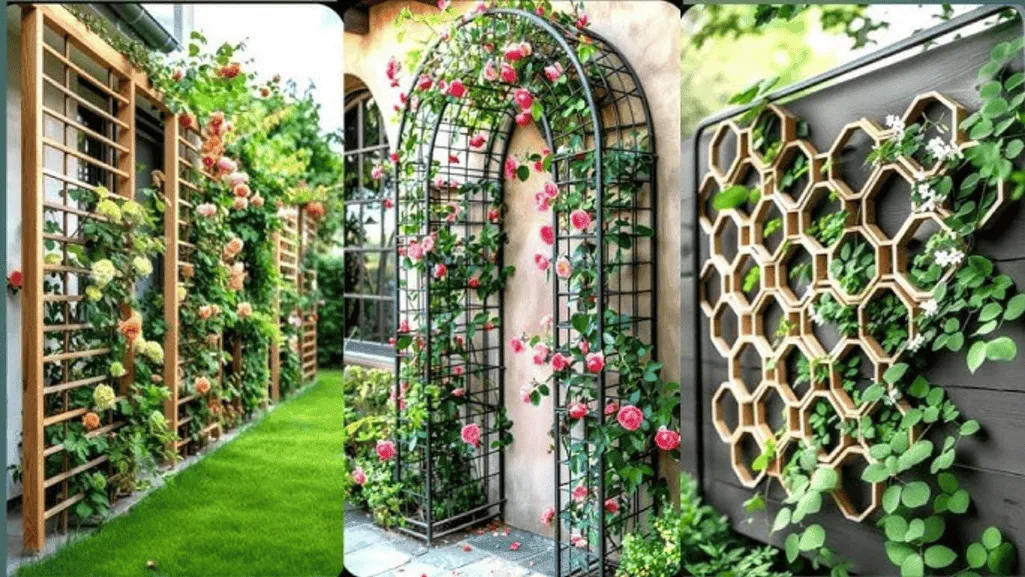 Trellis Alternatives for a Unique Garden Look
Want a trellis that’s as much art as function? Upcycled and alternative materials can create striking structures that support vines while adding personality. Below are practical alternatives and quick how-to tips so you can pick the right approach and finish for your garden.
Cattle panels (metal grid panels) are sturdy, inexpensive, and highly versatile — bend them into arches, prop them as single panels, or connect several to build tall screens. They’re ideal where you need strength for heavier vines or to span a pathway.
Driftwood and reclaimed wood give a natural, weathered look. Use for freeform trellises, rustic lattices, or stacked-frame screens that blend into cottage-style gardens.
Repurposing household items creates instant conversation pieces: lean an old ladder against a fence, mount a bicycle frame on a wall, or arrange metal pipes into a sculptural support. These make charming trellises for ornamentals and light vines.
General finishes & maintenance: for metal trellises, use rust-resistant primer and exterior paint (recoat every 3–5 years depending on climate). For wood, apply a clear sealant or exterior stain to extend life. Inspect alternative trellises annually for loose connections or sharp edges.
Using cattle panels, driftwood, or repurposed items turns a functional support into a distinctive garden design element. Pick the material that matches the vine’s weight and your garden’s aesthetic, and finish it so it stands up to seasons and time.
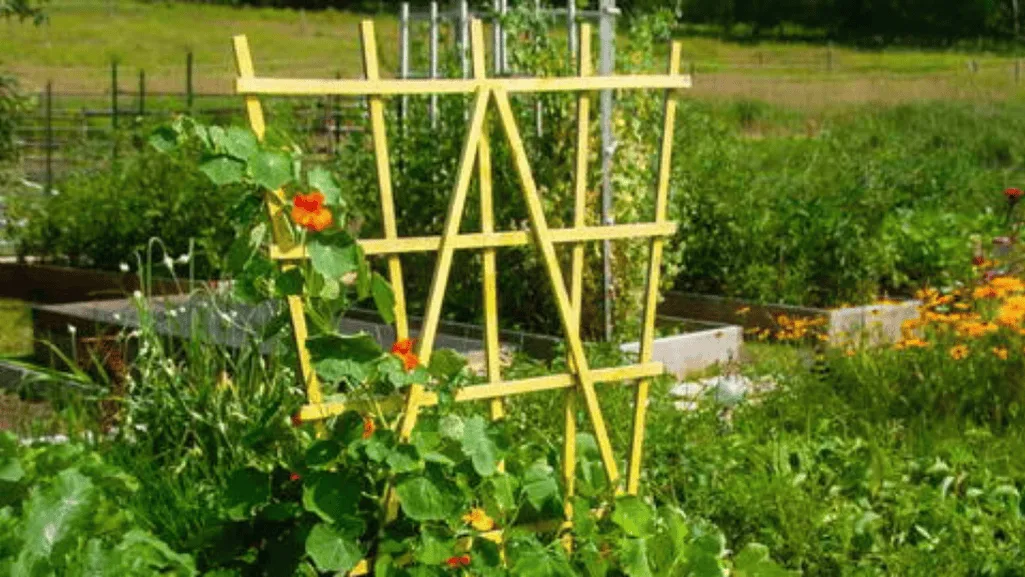 Maintaining Your DIY Garden Trellis
A simple maintenance routine keeps your trellis strong, safe, and attractive season after season. Use the short checklist below to stay on top of repairs, cleaning, and plant support so your garden structures last longer and keep supporting healthy growth.
First, inspect for loose parts or damage. Tighten screws, replace worn zip ties, and re-seat posts if they’ve worked loose in the ground or raised bed edge — this prevents leaning and reduces stress from wind and weight.
Next, keep the trellis clean: remove mud, fallen leaves, and plant debris so mold and mildew can’t take hold. For metal structures, wash off salt or fertilizer residue; for wood, clear trapped soil at the base to avoid rot.
“A well-maintained trellis not only supports your plants but also adds a beautiful architectural element to your garden.”
Also, help your plants by tying new shoots loosely to the trellis and pruning dead or crowded growth — this keeps foliage healthy and reduces weight load on the structure. For heavy fruiting vines, periodically check post anchors and ground fixings for movement.
By following this simple routine, your trellis will stay functional and beautiful for many seasons. For more build and maintenance tips, check GardenFork.TV’s trellis guide or subscribe for a printable seasonal checklist to keep on your bench.
Budget-friendly vertical gardening is an easy way to boost productivity and style in any garden. Whether you use reclaimed doors, pallets, bamboo, or simple panels, these cheap garden trellis ideas help you grow more in less space and add visual interest. A single DIY garden trellis can turn a blank wall into a living feature or free up bed space for another row of vegetables.
Mix and match materials to suit your space: a narrow panel at the back of a raised bed, a bamboo teepee in a container, or cattle panels bent into an arch can all deliver great results. For heavy fruiting plants like indeterminate tomatoes or woody climbers such as wisteria, choose stronger metal supports and anchor posts securely to handle the extra weight.
So whether you’re expanding a vegetable garden, creating privacy with evergreen vines, or adding a decorative living wall, these DIY garden trellises and cheap garden trellis ideas give you flexible, low-cost options to make your garden look better and produce more. Get inspired, pick a design, and start building — even one small trellis can change how you use your garden space.
Trellises let plants grow vertically, saving ground space for more plantings, improving air circulation to reduce disease, and making harvesting and maintenance easier.
Use reclaimed wood, bamboo, twine, remesh or cattle panels, metal pipes, or simple stakes and zip ties — pick the material that matches the weight of the vine and your garden’s style.
Try a ladder trellis for a living wall, a bamboo teepee for pole beans or peas, or upcycle a bed spring or bicycle frame as decorative supports — each is quick and affordable to build.
Inspect anchors annually, tighten fastenings, clean debris, touch up paint or sealant as needed, and tie or prune plants each season to reduce load and promote healthy growth.