Beautiful flowers gardenia Plants For Your homes
 Skip to content
Beautiful flowers gardenia Plants For Your homes


Welcome to the world of Bougainvillea plant care, where you can learn how to grow vibrant Bougainvillea blossoms. If you want to brighten your garden, it’s key to know how to care for these plants. They love warm, sunny spots, just like in Fort Lauderdale for tropical garden fans.
To make your Bougainvillea bloom well, plant it in pots that keep its roots snug. This helps it produce lots of flowers. Also, use a fertilizer with lots of potash, like Hibiscus Food, for the best growth. Check out this guide on tropical gardens for tips on creating the perfect spot for these plants.
The Bougainvillea grows in lush, vibrant areas, especially in the Amazon rainforest. This place is full of life and has wet-dry seasons and high temperatures. These are perfect for the Bougainvillea to grow well. It’s a tough plant with bright, paper-like flowers.
Knowing where Bougainvillea grows helps gardeners create the best conditions for it. French explorer Antoine de Bougainville first found these plants. They have adapted to many places around the world. For more info on how they adapt, check out Bougainvillea’s Biome.
Bougainvillea started in the tropical parts of South America, like Brazil, Peru, and Argentina. It was named after the explorer who made it famous. This helped spread the plant to other continents.
Bougainvillea needs certain conditions to grow well. It loves full sun, warm weather, and soil that drains well. Make sure the soil dries out a bit between waterings to avoid root rot, especially in cooler, wet places.
| Factor | Description | Optimal Condition |
|---|---|---|
| Light Exposure | Necessary for vibrant blooms | Full sun |
| Temperature | Consistent warmth encourages growth | Above 60°F (15.5°C) |
| Soil Type | Impact on drainage and root health | Well-drained, pH just above 6.0 |
| Watering Schedule | Balance moisture to prevent diseases | Moderate, allowing soil drying |
To make sure your Bougainvillea does well, try to match these conditions as closely as you can. You might need to make some changes based on your local weather and soil.

Bougainvillea care instructions highlight the need for sunlight and proper watering. But there’s more to keeping these plants healthy. They need specific conditions to thrive. Here are the guidelines to make sure your Bougainvillea does well.
Bougainvillea loves the sun. They need at least six hours of direct sunlight daily for the best blooms. Place them in gardens that face south or west. Make sure they’re in spots with good drainage, like raised beds or pots with holes, to prevent waterlogging.
Here’s a look at the core aspects of Bougainvillea care:
Right fertilizing and watering help your Bougainvillea stay healthy and bloom brightly:
| Season | Watering Frequency | Fertilization |
|---|---|---|
| Spring/Summer | Twice a week | Monthly with Bougainvillea-specific fertilizer |
| Fall/Winter | Once every three weeks | Reduce to once every other month |
Always watch out for pests and diseases. Issues like aphids, root rot, or leaf spots can be fixed by changing how you water, improving air flow, and using organic pesticides. Catching problems early helps keep your Bougainvillea looking great.
Consistent care is crucial for maintaining healthy Bougainvillea. By following these Bougainvillea care instructions, you’ll have a garden full of color all year.

To keep your Bougainvillea healthy and bright, picking the right pot and knowing about pot size selection and drainage for potted Bougainvillea are key steps in Potting Bougainvillea.
For pot size selection, bigger pots are usually better—up to a certain size. The right pot size lets the roots grow well without causing waterlogging or spreading out too much. A pot with a 20-inch diameter is a good choice because it gives roots enough space and encourages blooming.
Here’s a quick look at the pros of different pot materials:
| Material | Benefits | Consideration |
|---|---|---|
| Terracotta | Highly porous, excellent for drainage and root health | Can dry out quickly in very hot weather |
| Plastic | Retains moisture longer, light and easy to move | Not as porous, potential over-watering risk |
| Ceramic | Aesthetically pleasing, retains moisture well | Usually heavier and may require more space |
Good drainage for potted Bougainvillea is essential. Planters need drainage holes to stop water from building up and causing root rot. Also, the right potting mix is crucial for Potting Bougainvillea. A mix of potting soil, perlite, and sand helps with drainage and gives the best growing conditions.
Pruning is also key for Bougainvillea care. Check out some advanced pruning tips on pruning bougainvillea to boost growth and blooms.
In summary, when Potting Bougainvillea, focus on drainage for potted Bougainvillea and pot size selection. With the right pot and soil mix, your garden will shine with color and life.
Understanding the sunlight for Bougainvillea and its Bougainvillea flowering requirements is key for vibrant blooms. Bougainvillea needs at least 5-6 hours of direct sunlight daily. This intense sun helps the plant bloom well, making it look bright and colorful.
The way sunlight affects Bougainvillea’s blooms is interesting. It grows and blooms in cycles, changing from vegetative growth to flowering. With enough sunlight, it can bloom almost all year, especially in spring and fall when days and nights are balanced.
In cooler places or with less sunlight, placing Bougainvillea near white walls or fences helps. This trick can make more blooms in areas with limited light.
To get the best sunlight for your Bougainvillea, think about container gardening. This lets you move the plant to catch more sunlight throughout the year. This is important, as shown in guides like Monrovia’s comprehensive Bougainvillea care advice.
In places like Southern California, where the weather is great, Bougainvillea needs sunlight and regular care. This is explained in details by Flowers Gardenia on what Bougainvillea plants need for sunlight.
| Condition | Requirement | Benefit |
|---|---|---|
| Hours of Sunlight | 5-6 hours daily | Maximizes blooms |
| Pruning Period | Early spring | Encourages new growth and flowering |
| Watering | Deep watering every 3-4 weeks | Supports healthy root and bloom development |
| Fertilization | High-phosphorus, water-soluble fertilizer every 4-6 weeks during blooming season | Promotes vibrant, lush blooms |
It’s clear that giving your Bougainvillea the right sunlight and following the best Bougainvillea flowering requirements leads to more blooms. This makes any garden or landscape look better.

Watering your bougainvillea right is key to its growth and blooms. A Bougainvillea watering schedule and balanced watering for Bougainvillea are essential. Let’s look at the best ways to keep your bougainvillea healthy in different conditions.
Adjust your watering based on the season and environment. In hot summer, bougainvilleas in warm places might need water 2 or 3 times a week. In cooler areas, you can water less often. Make sure the top 2 inches of soil dry out before watering again to help roots grow deep and avoid root rot.
In spring, when the plant wakes up, water more to help it grow and bloom. But, water less in winter when it grows slower. Young bougainvilleas need steady moisture to grow strong, while older ones can handle missing a watering now and then.
Getting the watering right is crucial—too much or too little can cause problems. Too much water leads to yellow leaves and soggy roots, which can reduce flowers and cause diseases. Not enough water makes the plant grow slow and have fewer flowers. Leaves turn crispy and the soil gets too dry.
It’s important to adjust your watering based on your bougainvillea’s needs and its stage of growth. Mulching and drip irrigation help keep the right moisture level. The soak-and-dry method, where you water well and let the plant dry before watering again, works well for all bougainvilleas.
Also, using soil that drains well prevents overwatering problems. This keeps your bougainvillea healthy and colorful through the seasons.
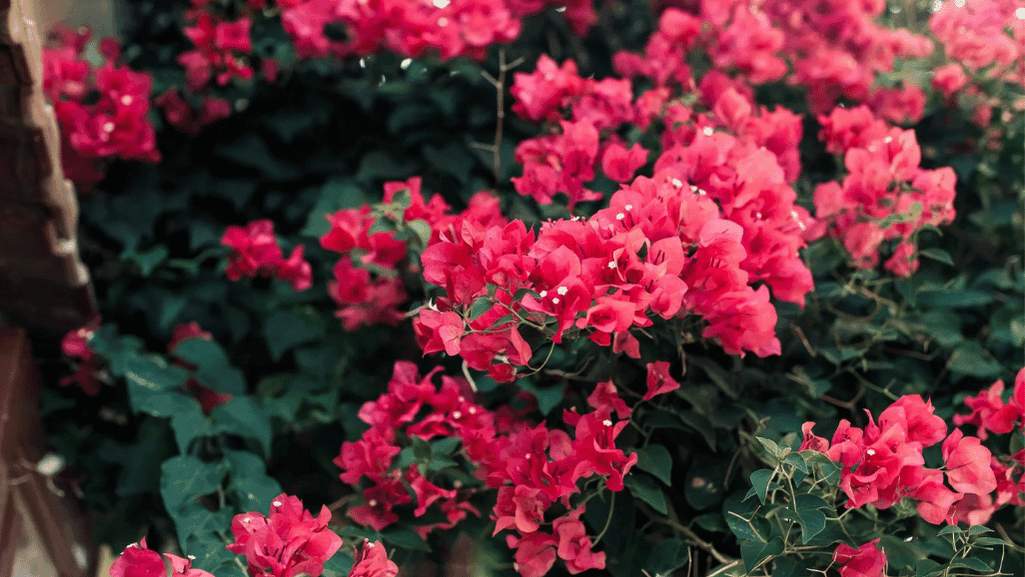
Getting Bougainvillea to bloom well depends on a good fertilization plan. It’s key to know how to feed your Bougainvillea the right nutrients. This ensures your plant grows strong and blooms brightly.
Picking the best fertilizer and knowing when to use it is crucial for your Bougainvillea. Fertilizers with lots of phosphorus and potassium work great. They help your plant grow big, colorful flowers and stay healthy.
It’s important to use fertilizers right; too much can make your plant focus on leaves instead of flowers. This shows why it’s key to use fertilizers carefully.
Nutrients are vital for Bougainvillea’s health and growth. Nitrogen helps with leaf growth, phosphorus is key for flowers, and potassium fights diseases and helps with moisture. Finding the right balance in nutrients is crucial to avoid too much leaf and not enough flowers.
Here’s a guide to the nutrients your Bougainvillea needs and when to use them:
| Nutrient Type | Function | Ideal Usage |
|---|---|---|
| Nitrogen (N) | Stimulates green, leafy growth | Limited during blooming phase to avoid excess foliage |
| Phosphorus (P) | Encourages vibrant blooms | Increased during flowering season |
| Potassium (K) | Enhances overall health and disease resistance | Consistent application throughout growing season |
To avoid over-fertilizing, follow the product instructions closely. Test your soil before applying fertilizer and water your plant well after. This careful approach helps your Bougainvillea get the nutrients it needs without the bad effects of too much fertilizer.
To make sure your bougainvillea looks great, learn the best Bougainvillea pruning techniques and when to prune. This guide will show you the best times and methods for vibrant growth.
Pruning at the right time is key for lots of blooms. In cold areas, prune in late winter or early spring before new growth starts. This stops new shoots from getting frost damage.
In warm areas, prune at different times to keep your plant the right size and shape. Pruning after each bloom cycle makes the plant healthier and more likely to bloom a lot. It encourages growth on new wood.
Use sharp shears for clean cuts and trim at a 45-degree angle to help water run off. Thinning the plant lets air and light in, which is good for its health.
Remove dead or damaged branches and cut back long ones to improve the plant’s shape and blooms.
Avoid pruning during the dormant season or with dull shears, as they can harm growth and cause disease. Balance old growth removal with new branch encouragement for a strong, blooming bougainvillea. For more tips, check out this expert guide on transforming your bougainvillea with.
Follow these pruning tips for the best timing of pruning bougainvillea and Bougainvillea pruning techniques. Your plant will stay healthy and full of blooms every season.
There are over 250 popular Bougainvillea varieties to pick from. They come in many colors and shapes for any garden need. Whether you want to decorate a trellis, create tree forms, or grow compact hedges, there’s a Bougainvillea for you. The selection of Bougainvillea ranges from the big ‘Barbara Karst’ to small dwarf types. This makes it perfect for different landscapes and garden styles.
It’s important to know what each Bougainvillea variety needs to grow well. Here are some tips on different Bougainvillea varieties that can make your garden bright and colorful.
| Variety | Height | Color | Hardiness Zone |
|---|---|---|---|
| Barbara Karst | Up to 20 feet | Vibrant red | 9-12 |
| Purple Queen | Up to 20 feet | Deep purple | 10+ |
| Gold Rush | Up to 15 feet | Golden hue | 10-12 |
| White Madonna | Variable | Fragrant white with pink hues | 8-9 |
| Cherry Blossom | Variable | Light pink | 9-11 |
| Silhouette | Variable | Lilac-colored | 10 |
When choosing selection of Bougainvillea for your garden, think about their growth, size, and how they’ll do in your climate. For example, ‘Barbara Karst’ and ‘Purple Queen’ are great for tall displays because they can grow up to 20 feet. ‘Gold Rush’ and ‘White Madonna’ have unique colors that look great against green landscapes.
Popular Bougainvillea varieties vary in color, size, and care needs. Some do well in zones 9 through 12, while others prefer zones 8-9 or 10+. Knowing what each variety needs will help them grow well and look their best.
With so many beautiful Bougainvillea types to choose from, picking the right one can really make your garden stand out. It can also add more variety to your garden.
Bougainvillea plants are known for their bright colors and long growth. Yet, they face pests and diseases. It’s important to control pests and diseases to keep these plants healthy and looking good.
Keeping your bougainvillea healthy means watching out for pests. Aphids, caterpillars, and spider mites are common pests. You can fight these pests with neem oil and insecticidal soaps. For worse infestations, use products with Bacillus thuringiensis (BT) to target caterpillars.
Bougainvilleas usually don’t get many diseases, but poor care can cause problems like root rot and leaf spot. Root rot comes from too much water or poor drainage. Make sure your bougainvillea has good drainage and isn’t over-watered. For fungal diseases, use fungicidal sprays. Catching diseases early is key to managing them.
| Pest | Damage | Control Measures |
|---|---|---|
| Aphids | Feed on new growth, causing leaf curl. | Use neem oil or insecticidal soap. |
| Bougainvillea Looper | Chew on leaves, leading to visual damage. | Apply Bacillus thuringiensis (BT). |
| Spider Mites | Suck cell contents from leaves, cause stippling. | Increase humidity and use miticides if severe. |
Being proactive with Bougainvillea pest control and managing Bougainvillea diseases helps your bougainvilleas stay healthy. This way, they can keep adding color and life to your garden.
If you want to grow more Bougainvillea, learning how to propagate them is key. This plant can be grown in several ways, each with its own benefits. We’ll cover the best ways to grow Bougainvillea, so you can fill your garden with its bright colors.
Propagating Bougainvillea through cuttings is a popular method. It’s easy and lets you keep the same traits as the original plant. Here’s how to do it successfully:
Layering is another way to grow Bougainvillea, especially if cuttings don’t work. Spring is the best time for this method. Here’s what to do:
Starting from seeds is less common but possible. It’s good for those who like starting fresh. Collect seeds in the fall and plant them in well-draining soil under the right light.
Propagating Bougainvillea not only makes your garden more colorful but also more diverse. To succeed, follow these tips and respect the plant’s natural needs. For more tips on caring for your new plants, check out our privacy policy.
The journey to create a lush Bougainvillea garden is both rewarding and complex. It combines art and science in gardening. To grow successful Bougainvillea, you need to mimic their natural environment. This means giving them lots of sunlight, good drainage, and the right potting conditions.
These plants can be the stars of your garden or do well in containers. They are useful for both beauty and function. To keep them thriving, you must prune them regularly, check for pests, and manage diseases.
With patience and the right care, your Bougainvillea will bloom beautifully. They come in many colors, each with its own meaning and attracting many pollinators. Using organic products like neem oil helps your garden stay healthy and safe for the plants.
Bougainvillea is not just for looks; it has health benefits too. Research shows it could be used in traditional and modern medicine. By watering, feeding, and handling them carefully, you can make your garden a place of beauty and wonder. Let the Bougainvillea’s vibrant colors fill your garden with life and beauty.

 Optimized by Seraphinite Accelerator