Beautiful flowers gardenia Plants For Your homes
 Skip to content
Beautiful flowers gardenia Plants For Your homes

The Monarda flower, also known as colorful bee balm, brightens any garden. Its vibrant flowers add color and life. The plant’s blooms attract hummingbirds, bees, and butterflies, making your garden a haven for wildlife.
This hardy plant is deer and rabbit resistant. It adds beauty and stays vibrant, celebrating North America’s natural beauty. Over a dozen species of Monarda thrive here, making it a reliable choice for gardens.
Monarda belongs to the mint family, named after 16th-century botanist Nicolas Monardes. It grows well in different soils and moisture levels. Gardeners can find the perfect Monarda plant for their garden, from 12 inches to 48 inches tall.
Suppliers like Breck’s help gardeners pick the right Monarda for their gardens. These plants are hardy in zones 4 to 9 and easy to care for. They create colorful landscapes that attract pollinators and add beauty.
The Monarda perennial, also known as bee balm, is highly valued for its historical significance and fragrant flowers. It is native to North America and has been used in native American medicine for its healing properties. With species like Monarda didyma, known for its bright red flowers, it adds beauty to gardens and helps the environment.
Monarda has a rich history filled with both utility and beauty. It was named after Nicolás Monardes, a Spanish botanist who studied plants from the New World. The story of Monarda didyma shows its journey from native American medicine to England in 1746 by John Bartram. This journey highlights its past as a symbol and a remedy.
The bee balm appeal goes beyond its looks to its role in supporting nature. It’s a key plant in gardens, attracting pollinators like hummingbirds and bees. These pollinators are crucial for ecosystem health. The plant thrives in various conditions and flowers from June to October, making it versatile for gardens.
Monarda comes in different heights and spreads, fitting many garden styles. From the small ‘Petite Delight’ to the tall ‘Fireball’, it’s a staple in both traditional and modern gardens.

Today’s gardens feature a wide range of Monarda varieties. Knowing how to spot their unique traits can boost your garden’s look and its role in nature. Whether you’re new to gardening or have years of experience, it’s key to know the main traits of species like Monarda didyma and Monarda fistulosa.
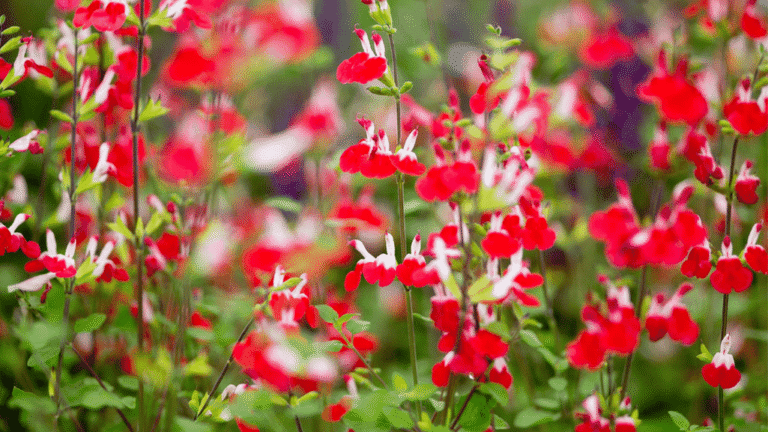
Monarda didyma, also known as Scarlet Bee Balm, stands out with its bright red flowers that draw in hummingbirds. It can grow 4-6 feet tall and blooms in mid-summer. Yet, it faces issues like downy mildew, except for the ‘Raspberry Wine’ variety, which is more resistant and grows well.
Monarda fistulosa, or Wild Bergamot, is loved for its flowers that attract many pollinators. It thrives in dry, poor soil, unlike Bee Balm. The ‘Purple Rooster’ variety of Monarda fistulosa did great in trials, showing strong resistance to mildew and staying about 3 feet tall. This makes it perfect for smaller gardens.
Choosing the right Monarda varieties is key to a lively and sustainable garden. They play a big part in making your garden look good and support nature. By learning about their distinguishing features, you can plan and care for your garden better. For those eager to explore more, the many Monarda species and varieties offer a fun challenge.
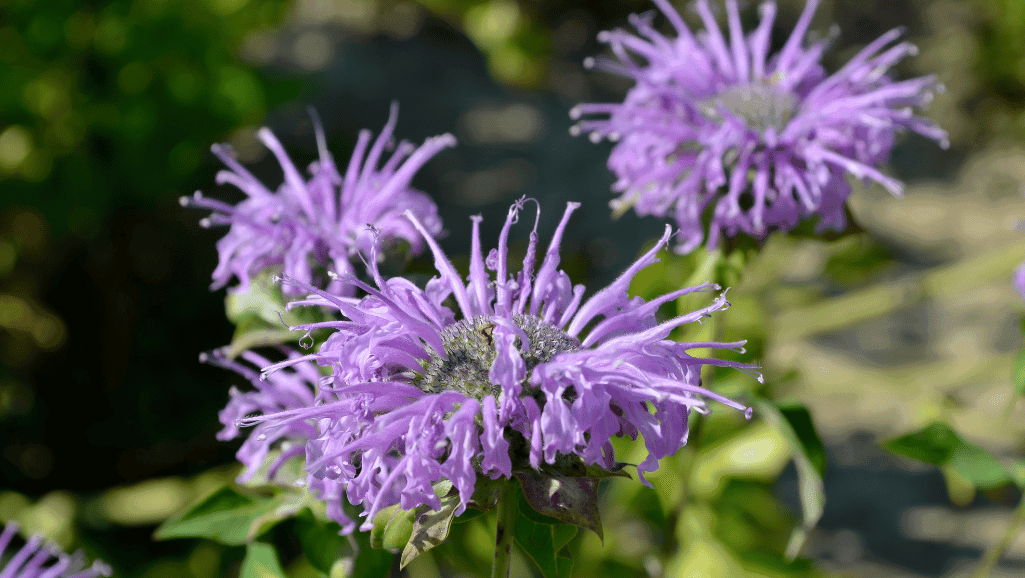
For those interested in Monarda plant care, knowing the best conditions for growth is key. These perennials thrive with the right care. Let’s look at what makes Monarda plants flourish in your garden.
Monarda plants do well in soil that drains well and is rich in nutrients. The soil should have a pH between 6.0 and 6.7. This helps the plants stay healthy, leading to bright colors and big blooms.
Monarda needs at least six hours of sunlight daily. But, it can tolerate some shade in hot places. This balance is important to prevent the plants from getting too hot.
Divide Monarda every 3 to 4 years for the best results. This keeps the plants healthy and stops them from getting too crowded. Crowding can stress the plants and cut down on flowers.
Following these tips will help gardeners create the perfect environment for Monarda. This will lead to healthy growth and beautiful flowers, making your garden more beautiful and eco-friendly.
Monarda’s blooms are not just beautiful; they’re crucial for local ecosystems. They draw in vital pollinators like butterflies and hummingbirds. This makes a garden a lively place for wildlife.
Adding Monarda to your garden helps support pollinators, which is good for the environment. Its nectar-rich flowers come in pink, red, and purple. This makes it a favorite spot for pollinators. Monarda is key for a healthy garden and adds beauty to any wildlife garden.
Monarda is essential for a vibrant wildlife garden. Its flowers are a hotspot for hummingbirds and butterflies. When combined with plants like Lavender and Echinacea, Monarda creates a haven for plants and animals. This boosts garden health and diversity.
To make the most of Monarda, think about who it lives with in the garden. Good friends for Monarda include:
Choosing Monarda for your garden helps pollinators and creates a thriving habitat. From July to August, these flowers bring color and life to your garden. They turn your garden into a natural masterpiece.
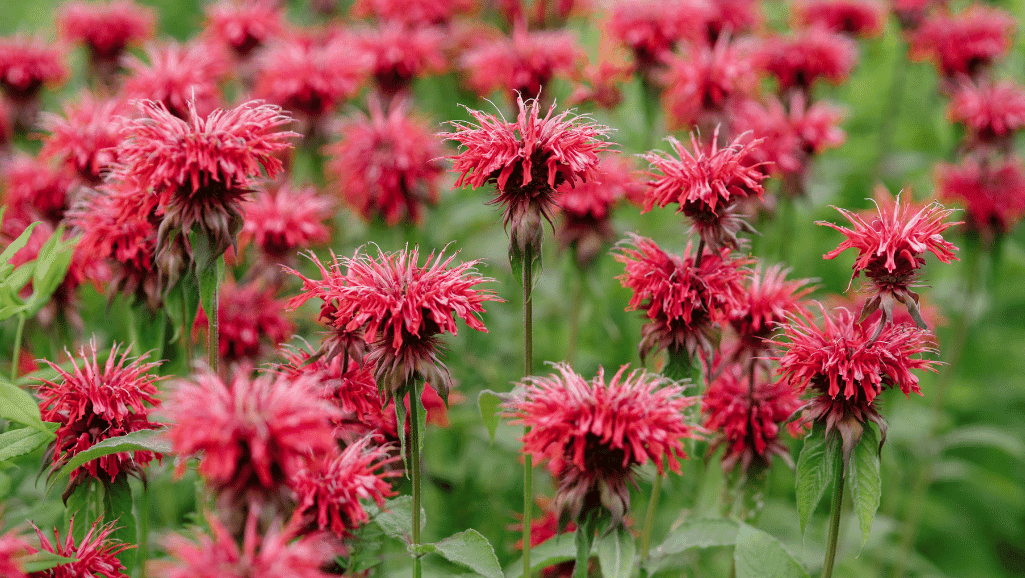
Monarda planting tips begin with picking the perfect spot for your plants. It’s key to prepare the soil right, as Monarda loves organic, moist soils. Look for a spot that gets full sun or partial shade. Monarda blooms best in full sun but grows faster with some shade.
Think about your garden’s climate and soil when picking a spot for Monarda. These plants love sunlight but can handle some shade, especially in hot areas. They do well in slightly acidic soil with a pH of 6.0 to 6.7. To help them grow, add rich compost and make sure the soil drains well. Don’t forget to water regularly, especially when it’s dry, to keep the soil moist.
Planting monarda seeds directly is a cost-effective choice and can be rewarding. Seeds germinate in 14 to 28 days when the soil is just over 70°F. But, seedlings might be better if you want faster results. They skip the early growth challenges, leading to blooms sooner than seeds.
Your choice between seeds and seedlings depends on your schedule and budget. For more on growing Monarda from seeds, check out this guide on Monarda germination.
Knowing what Monarda needs ensures a garden full of flowers that draws butterflies, hummingbirds, and bees. Below is a table comparing seeds and seedlings.
| Aspect | Monarda Seeds | Monarda Seedlings |
|---|---|---|
| Cost | Lower | Higher |
| Germination Time | 14-28 days | N/A (already germinated) |
| Time to Bloom | Longer | Shorter |
| Care Level | High (from scratch) | Moderate (established plants) |

To keep bee balm plants looking great, you need to focus on Monarda maintenance and key essential practices. These include how to water them and the benefits of mulching. Each step is important for the plant’s growth.
Regular pruning is key for your Monarda to flourish. It encourages new growth and keeps air moving, preventing powdery mildew. Martha Stewart’s guide on how to grow bee balm highlights this. Also, cut off spent blooms to make the plant bloom longer, keeping it looking good and healthy.
Monarda needs the right amount of water, especially when it’s dry. Aim for soil that’s always moist but not too wet. Mulching helps keep the soil moist and controls temperature. Using organic mulches like bark or straw also adds nutrients as they break down.
| Monarda Feature | Benefit |
|---|---|
| Bloom Duration | Long summer bloom season enhances garden aesthetics for extended periods. |
| Multiplication | Ability to multiply quickly via underground stems or self-sowing, aiding rapid garden expansion. |
| Height | Grows up to three feet, providing substantial height variation for dynamic garden designs. |
| Attracts Pollinators | Draws beneficial wildlife such as honeybees, butterflies, and hummingbirds, enhancing pollination. |
| Nectar Rich | Offers vital food source for adult butterflies, contributing to a thriving ecosystem. |
Monarda, also known by its folk name “the wound healer,” continues to enchant gardeners with its utility and beauty, often creating a buzz with its rich nectar and vibrant flowers.
Monarda, also known as Bee Balm or Oswego Tea, is more than just a pretty face. It’s a treasure trove of monarda herbal uses. This plant is used both as a medicinal herb and for its monarda culinary uses. It has found its way into traditional and modern uses, improving health and adding flavor to dishes.
Monarda offers a wide range of monarda benefits. It has anti-inflammatory, antispasmodic, and antimicrobial properties. Native American traditions have long valued Monarda for treating skin infections, soothing sore throats, and reducing fever. It’s also known for helping with fever by causing sweating and calming the stomach and digestive system.
Monarda is effective in treating colds, flu, and respiratory infections thanks to its essential oils. These oils have antiviral and antibacterial qualities. It also stimulates appetite and digestion, acts as a relaxant, and helps with nervous system issues.
Oswego Tea is a famous Monarda culinary use. It’s made from Monarda leaves and flowers. The tea is steeped to perfection to bring out its flavors and health benefits.
Harvesting the flowers during their peak in July and August is key to getting the most out of monarda benefits. Drying the flowers and leaves keeps their oils potent, making their health benefits last longer.
Monarda is versatile, fitting well into herbal infusions or health remedies. Its dual role as a medicinal herb and a culinary delight offers a holistic approach to wellness. It supports both physical health and culinary pleasure.
Monarda propagation is key for gardeners wanting more vibrant, bee-friendly flowers. It boosts your garden’s diversity and keeps your bee balm varieties pure. The best way to grow more is by dividing mature plants.
Division is the top choice because it’s easy and works well. You split the plant into smaller parts, each with its roots. Then, you can plant these to grow new flowers that are just like the original.
| Propagation Method | Time to Root/Propagate | Season | Benefits |
|---|---|---|---|
| Division | Immediate replanting | Spring | Produces larger plants quickly, maintains genetic consistency |
| Stem Cuttings | 2-4 weeks | Late spring | High success rate with rooting hormone, good for controlled growth |
| Seeds | 10-40 days at 60°F | Varies | Useful for experimenting with new varieties, though less consistent |
Using seeds to grow bee balm might seem cheap, but it often leads to plants that look different from the parent. For a garden that looks and works well, division or stem cuttings are better choices.
Propagating your bee balm also fixes problems like too many plants and weak ones. By taking care of your monarda, you keep each plant healthy and your garden thriving. This is a key part of advanced monarda gardening tips.
Gardening lovers adore the Monarda for its bright colors. But, keeping it healthy means taking steps for Monarda pest control and disease prevention. Knowing how to fight issues like powdery mildew helps Monarda grow well.
Powdery mildew often troubles Monarda growers. This fungus covers leaves in white powder, slowing growth and flowers. To prevent it, focus on good planting and care. Make sure Monardas have enough space for air to move freely.
Choosing varieties that resist mildew also helps. Remove any parts that get the disease quickly. Deadheading flowers stops mildew from spreading, keeping the plant healthy and looking good.
Using natural pest strategies helps Monarda stay healthy. Encourage ladybugs and lacewings to live in your garden. They eat pests like aphids and spider mites.
For pests, use neem oil or insecticidal soap. These are safe for the environment. Watching your plants closely and acting fast stops pests from harming them.
| Monarda Trait | Benefit to Pest and Disease Management |
|---|---|
| Plant Spacing | Prevents excessive moisture and fungal growth |
| Sun Requirement | Enhances vigor and reduces susceptibility to disease |
| Soil Preference | Well-draining nature prevents root rot |
| Propagative Methods | Healthy propagation reduces disease carryover |
Adding bee balm to your garden does more than make it look good. It brings big Monarda benefits that help your garden thrive. The bright colors of Monarda add beauty and support healthy gardening, making them key for modern gardens.
Monarda, or bee balm, is great for attracting pollinators. This is good for gardeners who want a balanced garden and more plant pollination. You can choose from small ‘Petite Wonder’ or tall ‘Jacob Cline’ Monarda to fit your garden.
Adding bee balm to your garden helps with biodiversity and sustainability. It’s a way to create a space that looks good and helps pollinators like bees, hummingbirds, and butterflies.
Monarda also has medicinal properties. It has been used in traditional remedies and is now in mouthwashes because of its thymol content. This shows Monarda’s health benefits and its place in ecological gardening.
Monarda shows how beauty and function can work together in gardening. Whether you like its looks or its role in nature, adding bee balm will make your garden better.
Exploring Monarda gardening is both thrilling and complex. With over 50 types in the Monarda genus, learning about each can make gardening more rewarding. Whether you’re new to Monarda or have years of experience, we’re here to help with tips and information.
If you need personalized gardening advice, please reach out to us. We can guide you on how to grow Monarda in USDA Hardiness Zones 2 to 9. We’ll also help with common issues like keeping the soil moist and preventing powdery mildew. If your Monarda isn’t blooming well, we can offer tips specific to your location, like for those in Henderson, Nevada, or for container gardens in hot areas.
Your success in growing Monarda is our main goal. If you want to attract butterflies and hummingbirds with your garden, or need advice on harvesting seeds, contact us. We offer expert advice for your garden’s unique needs, helping you enjoy the beauty of Monarda plants.


 Optimized by Seraphinite Accelerator