Beautiful flowers gardenia Plants For Your homes
Beautiful flowers gardenia Plants For Your homes

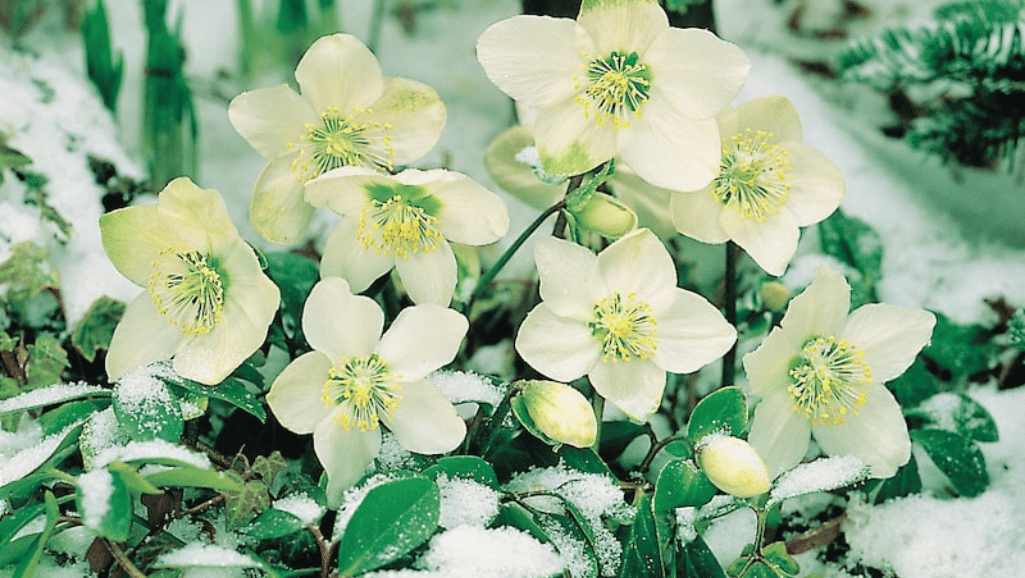
The festive season fills our homes with vibrant colors and scents. Among these, the Christmas rose stands out for its elegance during the cold months. Known as Helleborus niger, this perennial plant is not a true rose but part of the buttercup family. Its blooms light up the garden even in the chill, making Christmas rose care a rewarding hobby for gardeners and holiday decorators alike. Learn more about this enchanting flowering plant that brings the holiday spirit to life with each bloom.
The Christmas rose, known as Helleborus niger, is not really a true rose. It doesn’t bloom every Christmas. It’s often called the winter rose because it can bloom in the cold winter months, if the climate allows.
From European folklore, the Christmas rose has a lovely story. It was said to be given to the baby Jesus by a shepherdess. This plant is in a different family than real roses, which can confuse new gardeners.
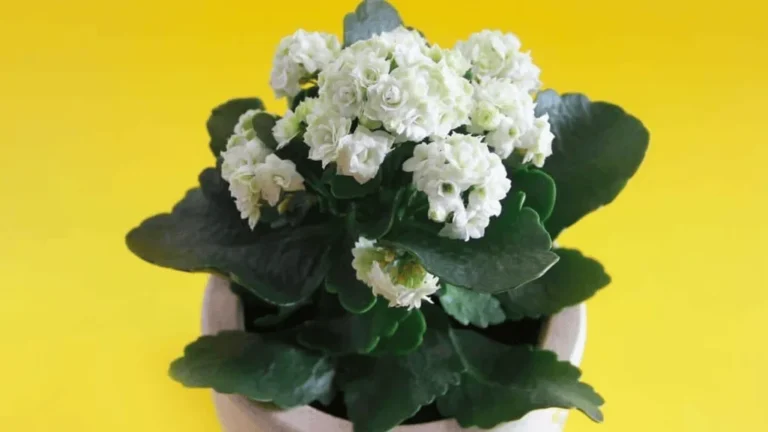
The Christmas rose is loved for its lovely flowers, which can be white or pink. Its evergreen leaves also make it a great groundcover for winter gardens. Here are some key points about this unique plant:
Even though it’s not a “rose” in the usual sense, the Christmas rose, or Helleborus niger, is a great choice for winter gardens. It’s known for surviving the cold and looking nice during the holidays.
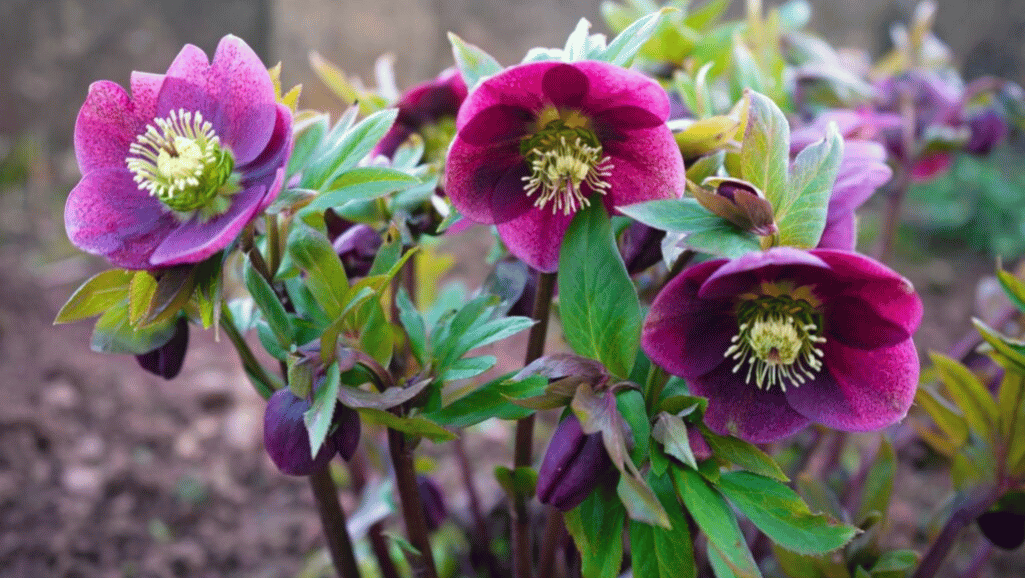
The Christmas rose, known as Helleborus niger, has a deep historical significance and folklore legend. It’s linked closely with holiday history and tradition. This plant’s story began with a touching tale of an angel turning tears into flowers for the baby Jesus. This act made the Christmas rose more than just a plant, adding spiritual and cultural layers.
| Symbolism | Description | Context |
|---|---|---|
| Advent Symbol | Signifies blood with white petals and red streaks | Symbol during Advent, reflecting spiritual depth |
| Purity & Resilience | Alabaster petals represent purity, enduring harsh winters | Symbolizes endurance and strength in adversity |
| Mystical Protection | Associated with warding off evil | Planted around homes according to ancient folklore |
| Artistic Muse | Inspiration in literature and art | Represents hope and beauty in dark times |
| Hidden Depths | Toxic roots symbolize concealed potential | Invites contemplation and exploration of hidden virtues |
The Christmas rose has been a symbol of purity, peace, and hope since medieval times. It’s found in Christian art and heraldry. It also inspires art and captures the spirit of its resilience and mystery. Whether in a garden or a painting, the Christmas rose symbolizes the magic of winter.
Every petal of the Christmas rose tells a story of history and legend. It’s more than just a pretty flower. It’s a symbol of deep traditions and beliefs that have lasted for centuries.
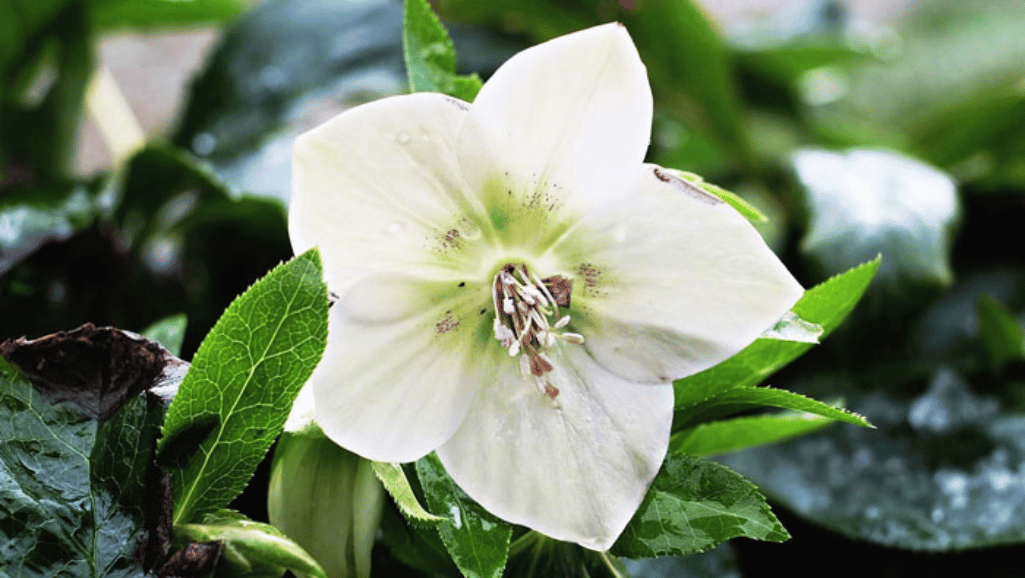
The Christmas rose (Helleborus niger) is a beloved evergreen perennial in many gardens. It thrives in certain conditions, like planting seasons, location, soil type, and light. Knowing these factors can make your garden more beautiful and your plant last longer.
Spring and autumn are the best times to plant Christmas roses. These seasons avoid the summer heat and winter frost that can harm the plant. Choose a spot with moderate temperatures, protection from strong winds, and not too much sun. Make sure to plant them 12″-15″ apart to give them room to grow.
Soil that holds moisture but drains well is key for Christmas roses. They like soil that’s a bit alkaline or neutral and rich in organic matter. This helps their roots grow strong and get the nutrients they need. Good drainage stops root diseases like crown rot. Adding gravel or compost helps the soil drain better.
Christmas roses have a deep growing root system. When planting, make sure the roots go down and the crown is just below the soil. This helps the plant grow well.
Christmas roses need the right amount of light. They do well in full sun in winter but prefer shade in the hot summer. Planting them under deciduous trees is a great idea. This way, they get sunlight in winter and stay cool in summer.
Follow these tips for the best conditions for Christmas roses. With the right care, these perennials can brighten your garden for up to 30 years. They add beauty from late fall to early spring.
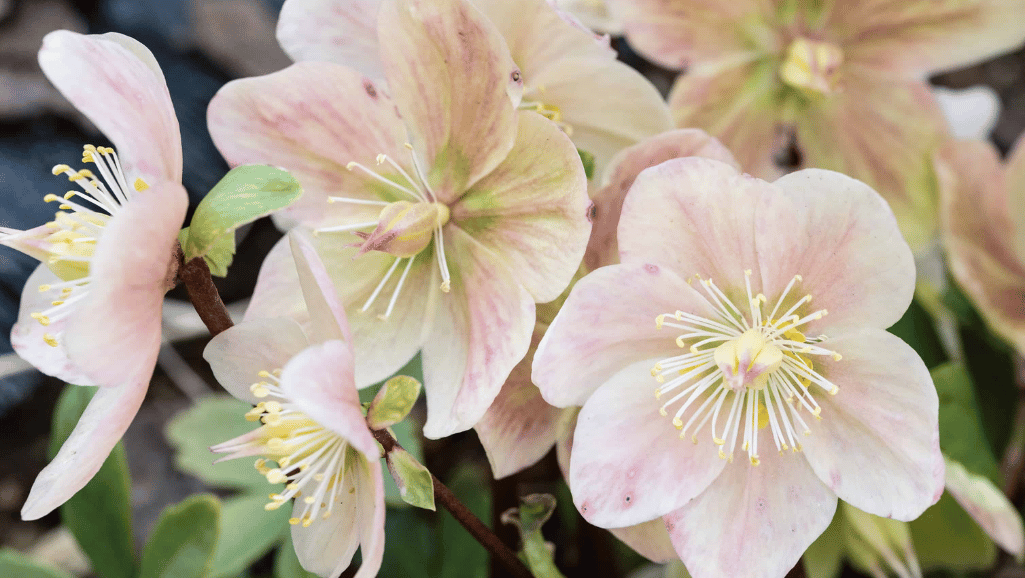
Proper Christmas rose maintenance makes sure these evergreen perennials do well in your garden. They give off vibrant blooms even when it’s cold. As a key shade garden plant, the Christmas rose needs special care to stay healthy and look good.
In the cold months, it’s important to keep up with your holiday plant care. Mulching acts like a blanket, keeping the roots safe from the cold and keeping the soil moist. Use things like shredded leaves or pine straw around the base to help keep the soil warm. This is especially good for places where Christmas roses face really cold winters.
Regular pruning helps your Christmas rose look its best. It gets rid of old and damaged leaves. This keeps the plant clean and stops diseases from spreading. The best time for this is early spring, when the plant starts to grow new leaves.
This makes sure the plant stays healthy and looks good all year.
To help your Christmas rose grow strong and bloom well, add organic compost around it every spring. This perennial plant care habit feeds the soil with important nutrients. Compost makes the soil better at holding water, keeping it moist, and letting water drain well. This creates the perfect place for these tough plants to grow.
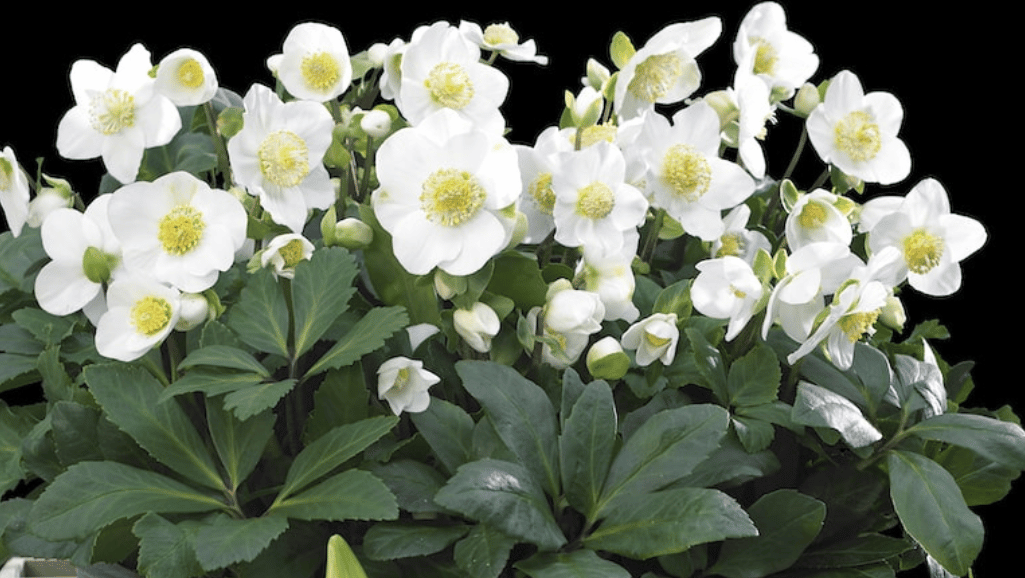
The Helleborus niger, or Christmas rose, has a special blooming cycle. It starts to show off its white flowers around Christmastime. This makes it a standout Christmas flower. In places with milder winters, it can start blooming as early as mid-November, like the ‘Praecox’ variety in Brooklyn.
This plant is tough and can bloom under snow and in cold weather. It adds color and life to gardens in the cold months. Helleborus niger is a great choice for gardens in cold areas.
| Feature | Details |
|---|---|
| Bloom Period | Late November through March |
| Color Transition | Flowers age from white to pink, lavender, or green |
| Soil Preference | Rich in organic matter, pH neutral |
| Care | Light maintenance; Remove damaged leaves, April fertilization with organic fertilizer |
This plant thrives in the cold and needs little care. Just remove damaged leaves and give it organic fertilizer in spring. The Christmas rose blooms under snow and comes back strong after winter. It’s a symbol of resilience and new beginnings.
During the holidays, the Christmas rose is a popular plant. It’s found in garden centers and stores. Its unique blooming and easy care make Helleborus niger a top pick for gardeners.
The Christmas rose blooming lasts from late fall to early spring. It brings a rare beauty to gardens. With their strong nature and beautiful aging process, Christmas roses capture the holiday spirit. They bring hope and color in the cold months.
Expanding your garden with the enchanting Christmas rose requires learning perennial division and Helleborus niger propagation. These methods boost your garden’s beauty and keep your plants healthy.
Start dividing Christmas roses in the fall. Make sure each piece has several growing points for strong growth. When dividing, be gentle to avoid harming the roots. This matches the plant’s liking for calm.
For tips on dividing hybrid hellebores, check out specialized resources. They offer advice on using a sharp knife.
Propagating Christmas rose from seed is a rewarding task. Sow seeds in early spring for the best results. But, remember, seed-grown plants may vary in flower type and color.
Keep seedlings cool and shaded until all frost is gone. This helps them grow strong and healthy.
Patience is key when planting Christmas rose seedlings. It can take three to five years for them to bloom. But, those years will be worth it as you watch your garden grow.
Choosing division or seed, these methods help your Christmas rose collection grow. With careful perennial division and seed sowing, you can enjoy a beautiful Helleborus niger display every year.
Christmas rose container gardening brings elegance indoors, making the holiday season more festive. It’s all about picking the right pot and soil mix for these indoor flowers. This ensures they thrive and bloom beautifully.
There are many containers to choose from for Christmas rose gardening, like black plastic or decorative ceramic pots. Plastic pots keep moisture in well, while terra cotta and concrete allow air to reach the roots. But, these might need more water because they let moisture escape.
For those who prefer eco-friendly options, peat or pulp pots are available. But they can dry out quickly and break down. Make sure your pots are deep, 12-18 inches, to support the winter rose’s roots.
Good drainage is key to prevent Christmas roses from rotting in their pots. Use pots with drainage holes and light soil mixes with peat and perlite. Mulching with bark or compost helps keep moisture in and soil temperature steady, which is good for the plant.
It’s important to water your plants just right. The soil should be moist but not soaked. This is crucial in cold weather when heaters dry out the air and soil.
By knowing what winter roses need indoors, gardeners can take good care of them. This approach not only makes indoor spaces look lovely during the holidays. It also keeps the Christmas rose healthy and blooming through winter.
Keeping your Christmas Rose (Helleborus niger) healthy and beautiful means being proactive against Christmas rose pests and diseases. With the right Helleborus niger care, your garden will shine even in winter.
Check your plants often for any signs of trouble like yellow leaves or pests. Catching problems early helps stop them from getting worse and keeps your plants healthy.
| Issue | Signs | Prevention/Solution |
|---|---|---|
| Aphids | Stunted growth, sticky “honeydew” | Apply neem oil, encourage natural predators like ladybugs |
| Slugs and Snails | Visible trails, damaged leaves | Use slug traps, sprinkle eggshells around plant base |
| Fungal Infections | Black spots, wilted shoots | Ensure good air circulation, avoid overhead watering |
| Root Rot | Wilting, rotten smell from soil | Use well-draining soil, trim diseased roots |
Dealing with Christmas rose pests and diseases means using both chemical and cultural methods. For fungal problems like leaf scorch and root rot, improve drainage and reduce moisture. Use chemicals only when necessary and follow the instructions carefully to protect your plant and the environment.
Extreme temperatures can stress plants, making them more likely to get diseases or pests. Keep plants safe from sudden temperature changes by shielding them from drafts or heating vents. This is a key part of garden plant protection.
Enhance your Helleborus niger care with organic methods. Add cow manure or pellets to the soil to help plants grow strong and fight off pests and diseases. A healthy plant is less likely to have problems.
Don’t forget about mulching to keep soil moist and warm. This adds an extra layer of protection against perennial plant disease. Make sure to refresh the mulch often to keep pests away.
With these steps, your Christmas Roses will stay healthy and pest-free. They’ll be a beautiful part of your winter garden.
When picking perennial plants, especially Helleborus niger, knowing the different types is key. These plants are known for surviving harsh winters and blooming in cold weather. They need careful choice to fit well in your garden.
It’s important to tell Christmas rose from Lenten rose by looking closely at their features and when they bloom. Both are in the Helleborus family but have different colors, leaves, and needs. These differences are key when choosing Christmas rose varieties.
When differentiating Christmas rose, pay attention to when they bloom. Helleborus niger blooms early, adding beauty to the late winter garden with its white flowers.
Choosing Helleborus niger means knowing it’s adaptable. It’s tough and does well in cool, temperate spots, similar to its alpine home. This makes it great for northern gardens or shaded areas.
Knowing these details makes gardening more rewarding and helps your Christmas roses thrive. It’s all about picking the right perennial plants with care.
To make your space look like a winter wonderland, adding Christmas decor plants like the Christmas rose is key. By mixing this beautiful plant with your holiday floral arrangements, you can make your winter garden aesthetic even better. This creates a peaceful and festive look that will amaze everyone.
When adding Christmas rose to your holiday decor, where you put it matters. Placing it at entryways or as a centerpiece on dining tables highlights its beauty. Pair these roses with sparkling lights or sheer ribbons to make their delicate form and bright colors pop against the winter scene.
For a complete holiday look, mix different plants together. Add plants like frosty evergreens, bright berry sprigs, or silvery eucalyptus around your Christmas roses. This adds variety in texture and color, making your holiday floral arrangements more lively and welcoming.
| Decor Element | Complementary Plants | Visual Impact |
|---|---|---|
| Christmas Rose | Evergreens and Berry Sprigs | Creates focal points, enriches color palette |
| Shimmery Accessories | Silvery Eucalyptus and Pinecones | Enhances shimmer effect, adds rustic charm |
| Luminous Lights | Frosted Branches and Helleborus Foil | Boosts illumination, complements light decor |
By carefully integrating Christmas rose and other plants, you can create a magical setting. This approach not only shows off your style but also turns your home into a place of warmth and joy during the holidays.
In our guide on Christmas roses, we’ve looked at how to care for Helleborus niger and its role in holiday gardens. This plant is tough and blooms in winter, symbolizing hope and new life. It adds color to shady spots and brings life to winter gardens.
Gardeners who grow Christmas roses add beauty and history to their gardens. But, it’s important to keep kids and pets safe from the plant’s toxins. The Christmas rose is also used in homeopathic medicine, showing its value in health and wellness.
If you love the beauty of Helleborus niger, check out our privacy policy. It explains how we protect your gardening info. Whether you’re new to gardening or an expert, we hope our guide helps you succeed in your holiday garden.