Beautiful flowers gardenia Plants For Your homes
 Skip to content
Beautiful flowers gardenia Plants For Your homes

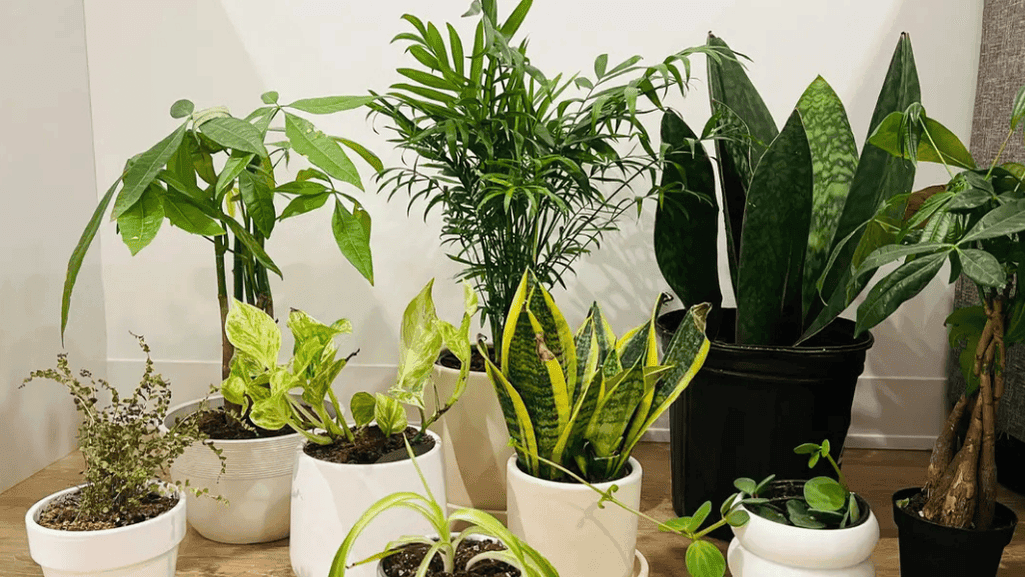
Bringing plants into your home does more than just enhance its appearance. Indoor plants can purify your air, reduce stress levels, and create a sense of calm in your living space. Studies have shown that surrounding yourself with greenery can improve concentration, boost mood, and even help you sleep better. But finding the “best” indoor plants isn’t one-size-fits-all—it depends on your light conditions, care commitment, and available space.
Whether you’re a first-time plant parent or looking to expand your indoor jungle, this guide will help you find the perfect leafy companions that match your lifestyle and home environment.
Join our newsletter for expert advice, seasonal care reminders, and troubleshooting tips delivered straight to your inbox.
Before diving into specific plant recommendations, it’s important to understand the key factors that determine whether a plant will thrive in your space:
Many common houseplants contain compounds toxic to cats and dogs. If you have pets, it’s crucial to check whether a plant is safe before bringing it home. We’ve noted pet-friendly options in our recommendations below.
Consider both the current size of the plant and how large it will eventually grow. Some indoor plants can reach impressive heights, while others remain compact. Match the plant’s mature size to your available space.
These resilient plants thrive in shadier spots and are perfect for rooms with minimal natural light or north-facing windows.
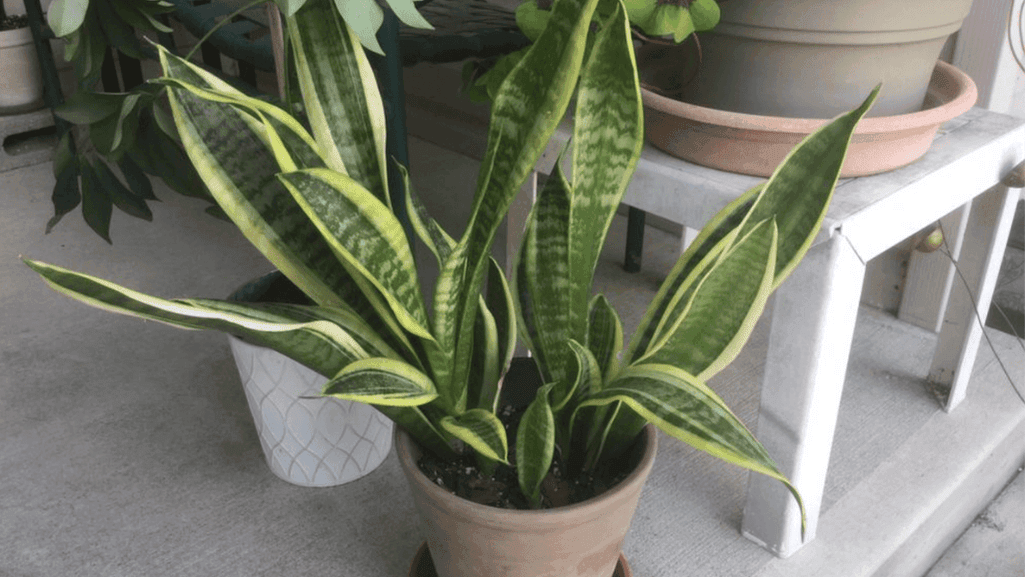
Beginner-Friendly
Key Feature: The ultimate low-maintenance champion that thrives on neglect
Care Summary: Tolerates low light conditions exceptionally well. Allow soil to dry completely between waterings—typically every 3-4 weeks. Nearly impossible to kill.
Perfect For: Forgetful waterers, busy professionals, and rooms with minimal natural light.
Important Note: Toxic to pets if ingested.
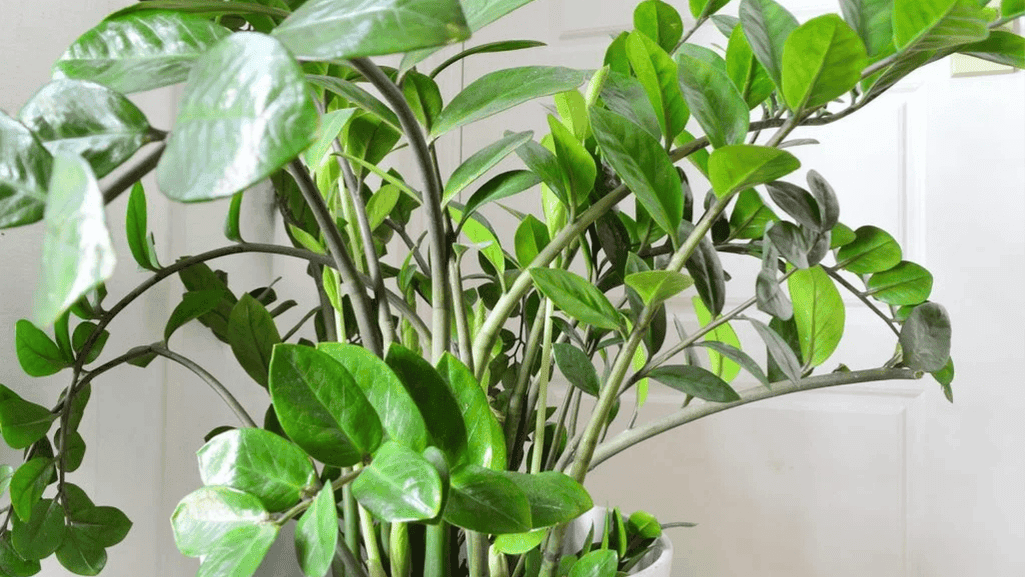
Beginner-Friendly
Key Feature: Glossy, naturally shiny leaves that need almost no maintenance
Care Summary: Thrives in low to medium light. Water only when soil is completely dry—about once a month. Can survive long periods without water.
Perfect For: Office spaces, dark corners, and anyone who travels frequently.
Important Note: Toxic to pets if ingested.
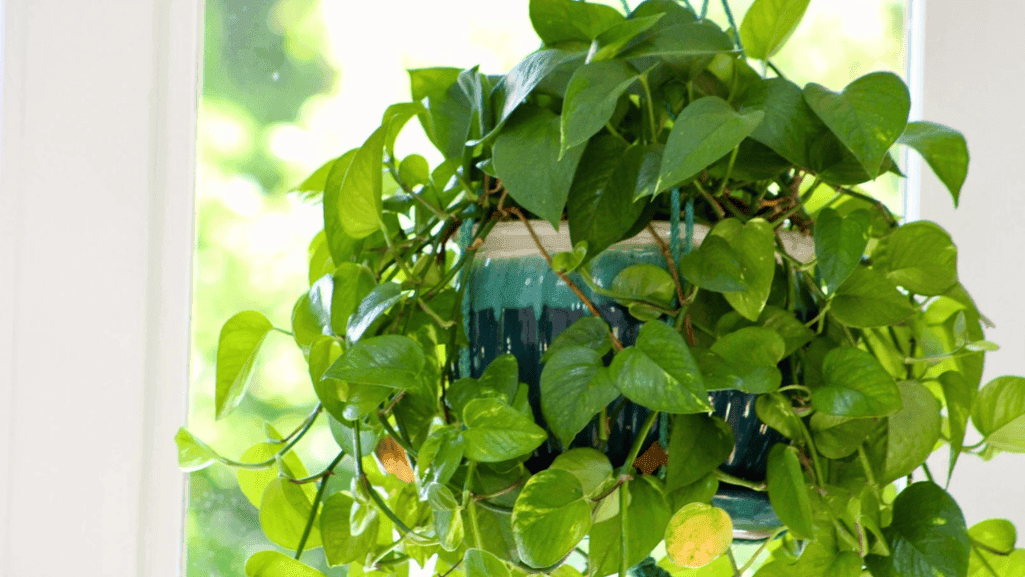
Beginner-Friendly
Key Feature: Fast-growing vines that can trail or climb in various light conditions
Care Summary: Adaptable to low or medium light. Allow the top inch of soil to dry between waterings. Available in various leaf patterns and colors.
Perfect For: Hanging baskets, shelves, or training up a moss pole. Great for adding greenery to any room.
Important Note: Toxic to pets if ingested.
These versatile plants thrive in moderate light conditions, such as near east-facing windows or a few feet away from brighter windows.
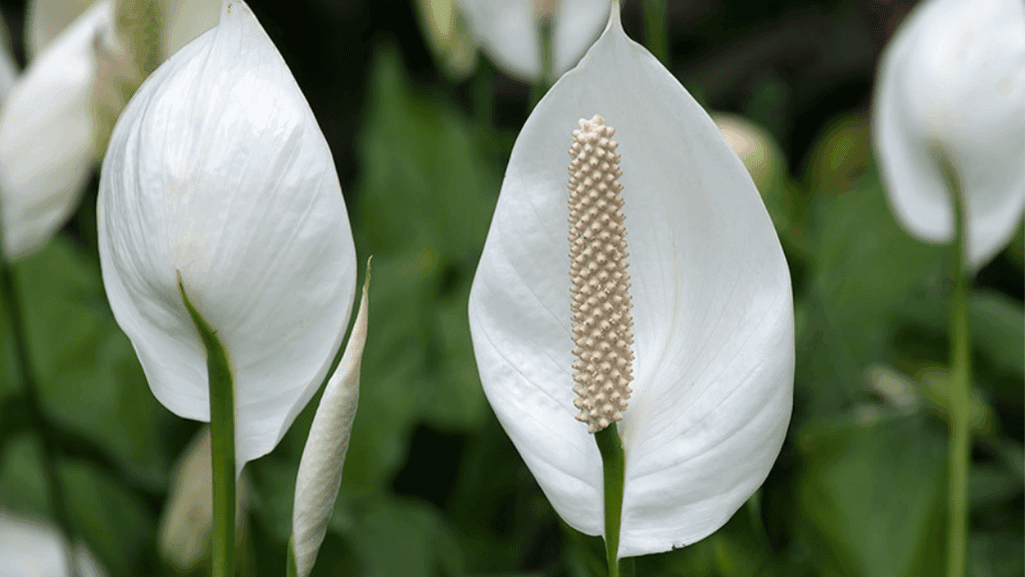
Intermediate
Key Feature: Elegant white flowers and excellent air-purifying qualities
Care Summary: Thrives in medium indirect light. Keep soil consistently moist but not soggy. Drooping leaves signal when it’s thirsty.
Perfect For: Bathrooms, bedrooms, and areas where you want to improve air quality.
Important Note: Toxic to pets if ingested.
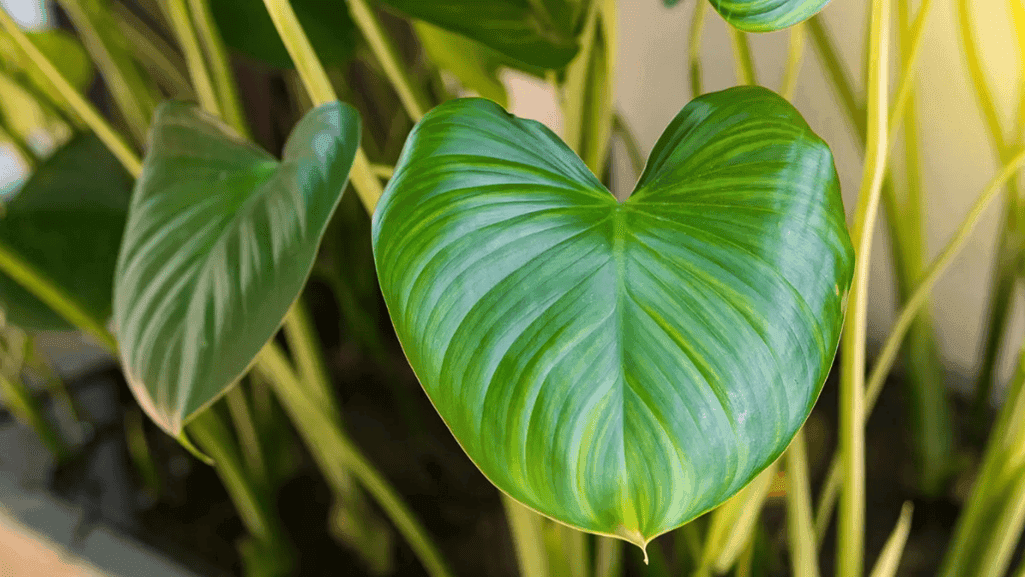
Beginner-Friendly
Key Feature: Heart-shaped leaves on trailing vines that are incredibly adaptable
Care Summary: Thrives in medium indirect light. Water when the top inch of soil feels dry. Easily propagated from stem cuttings.
Perfect For: Hanging baskets, shelves, or as a climbing plant with support.
Important Note: Toxic to pets if ingested.
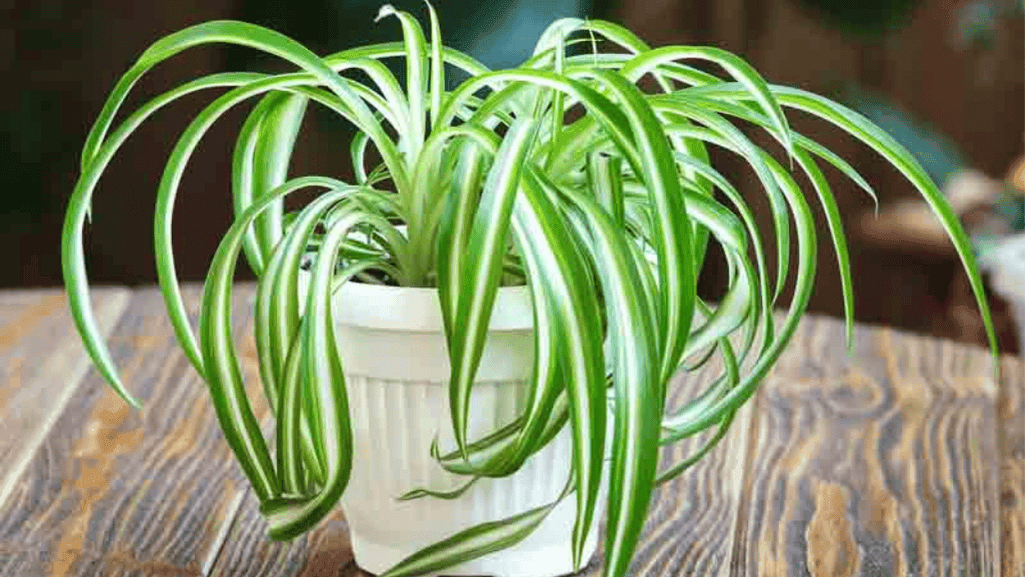
Beginner-Friendly Pet-Friendly
Key Feature: Produces baby “spiderettes” that can be propagated into new plants
Care Summary: Prefers medium to bright indirect light. Water when the top inch of soil is dry. Tolerant of inconsistent watering.
Perfect For: Hanging baskets, plant stands, and households with pets.
Important Note: Safe for cats and dogs, making it an excellent choice for pet owners.
These sun-loving plants thrive near south or west-facing windows where they can receive plenty of bright, indirect light throughout the day.
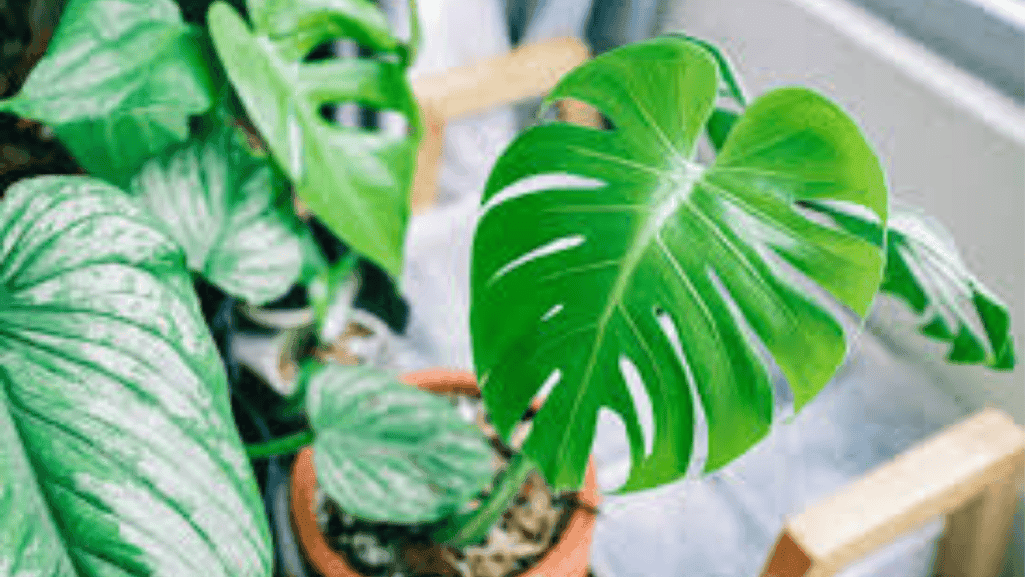
Intermediate
Key Feature: Dramatic split leaves that create an instant tropical statement
Care Summary: Thrives in bright indirect light. Water when the top 2 inches of soil are dry. Benefits from occasional misting.
Perfect For: Making a bold statement in living rooms, offices, or any space with room for growth.
Important Note: Toxic to pets if ingested. Can grow quite large over time.
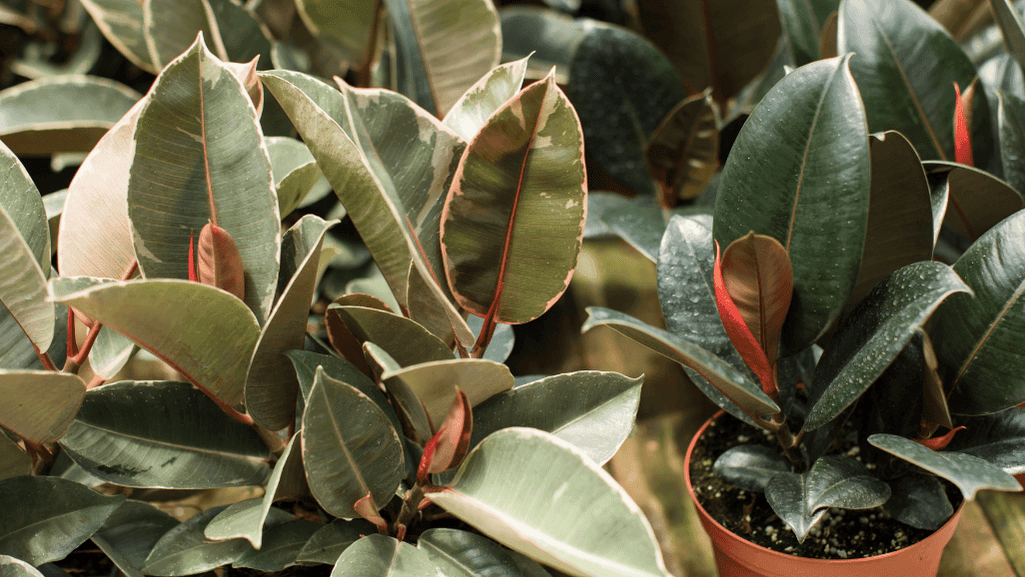
Intermediate
Key Feature: Large, glossy leaves that create a dramatic architectural element
Care Summary: Prefers bright indirect light. Allow the top 2 inches of soil to dry between waterings. Wipe leaves occasionally to maintain shine.
Perfect For: Adding height and structure to rooms with good natural light.
Important Note: Toxic to pets if ingested. Can grow quite tall over time.
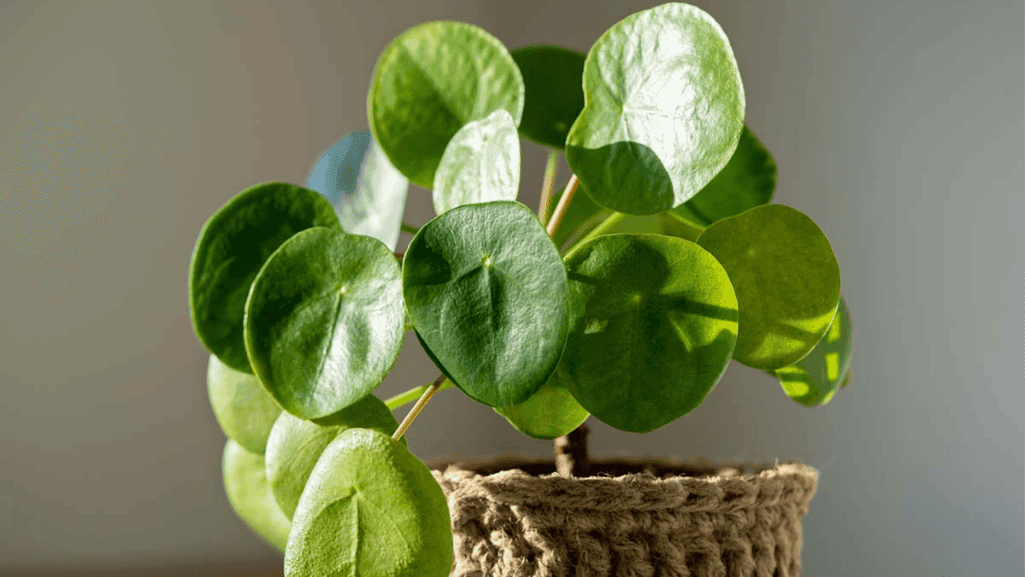
Intermediate Pet-Friendly
Key Feature: Unique round leaves on thin stems that create a distinctive appearance
Care Summary: Prefers bright indirect light. Water when the top inch of soil is dry. Rotate regularly for even growth.
Perfect For: Windowsills, desks, and small spaces that need a touch of character.
Important Note: Safe for pets. Produces numerous “pups” that can be separated and shared.
If you have curious pets who might nibble on your plants, focus on these non-toxic options:
These plants are particularly effective at removing toxins from indoor air:
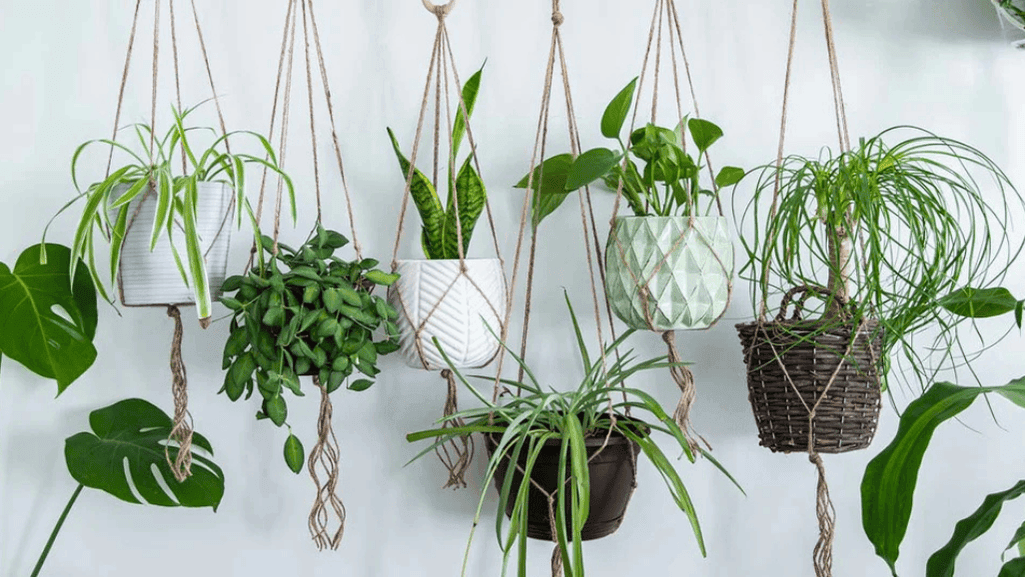
Most houseplants die from overwatering, not underwatering. Use the finger test: insert your finger about an inch into the soil—if it feels dry, it’s time to water. For most plants, it’s better to underwater than overwater.
Always use pots with drainage holes. If you love a decorative pot without holes, use it as a cache pot with a plastic nursery pot inside that has drainage. Never let plants sit in standing water.
Even low-light plants need some light. Rotate your plants regularly for even growth, and be aware that light conditions change with the seasons. Move plants accordingly.
Many indoor plants are tropical and appreciate humidity. Group plants together, use a pebble tray with water, or consider a small humidifier for moisture-loving varieties.
Most plants need less water and no fertilizer during fall and winter when growth slows. Increase both in spring and summer when plants are actively growing.
Dust plant leaves regularly with a damp cloth to keep them looking their best and to help them photosynthesize efficiently. Avoid leaf shine products, which can clog the plant’s pores.
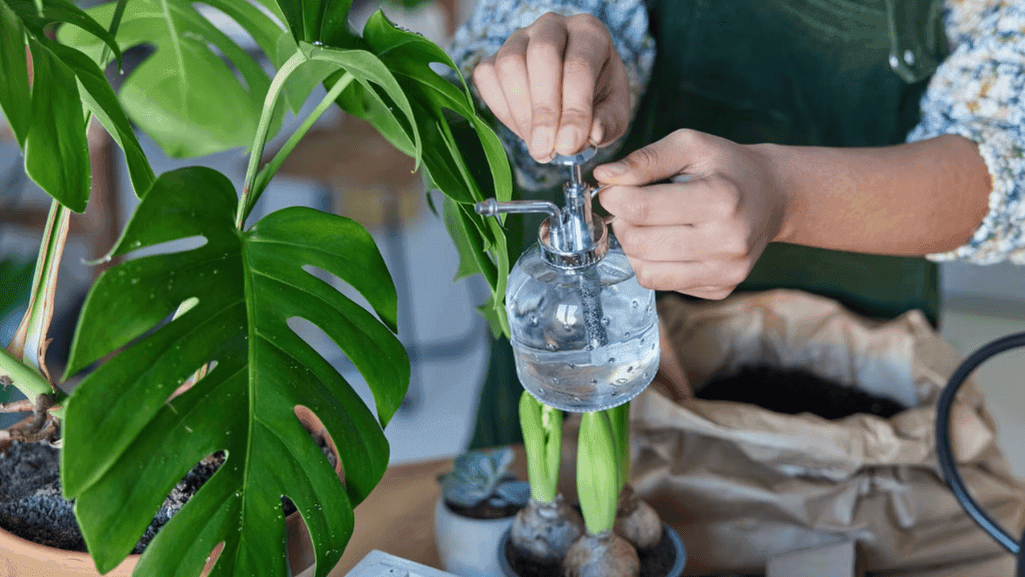
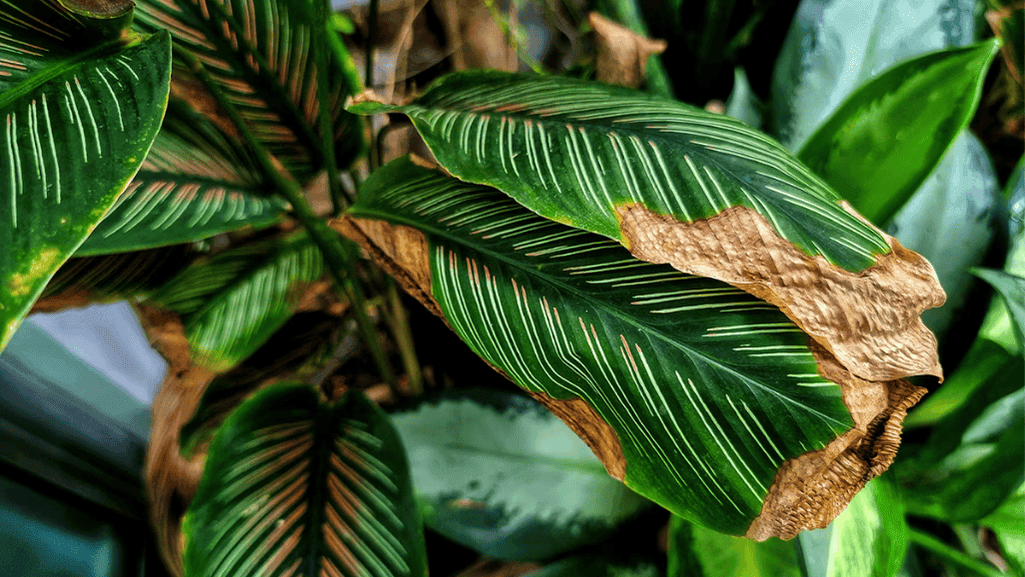
Usually indicates overwatering, but can also be caused by nutrient deficiencies or too much direct sunlight. Check the soil moisture first—if consistently wet, reduce watering frequency and ensure good drainage.
Often caused by low humidity, especially in plants with thin leaves. Can also indicate mineral buildup from tap water. Try increasing humidity with a humidifier or pebble tray, and consider using filtered water.
Plants stretching toward light sources indicates insufficient light. Move the plant to a brighter location or supplement with grow lights. Regular rotation helps prevent one-sided growth.
Can be caused by dramatic temperature changes, drafts, overwatering, or underwatering. Check your plant’s specific needs and ensure it’s not near heating/cooling vents or cold windows.
Join our community of plant enthusiasts and get personalized recommendations, troubleshooting help, and seasonal care reminders.
The world of indoor plants offers endless possibilities for bringing nature into your home. Remember that even the most experienced plant parents started with just one plant, and it’s perfectly normal to have some trial and error along the way.
If you’re new to plant care, we recommend starting with one of the beginner-friendly options like a Snake Plant, Pothos, or Spider Plant. These resilient plants will help you build confidence while providing all the benefits of living with greenery.
As your confidence grows, you can gradually expand your collection with plants that require more specific care. Before long, you’ll discover the joy and satisfaction that comes from nurturing these living companions and watching them thrive in your home.


 Optimized by Seraphinite Accelerator