Beautiful flowers gardenia Plants For Your homes
Beautiful flowers gardenia Plants For Your homes


Since the early 1990s, Osteospermum, or the African daisy, has won over gardeners with its bright colors. Initially, it had only white and peach colors with blue-purple centers. But, thanks to breeding advances, now there’s a wide range of Osteospermum varieties that make any garden design pop.
Osteospermum is great for adding life to gardens from spring to fall. They’re easy to care for and can brighten your garden for weeks. Plus, they attract birds and keep deer and rabbits away. They love full sun and can grow in well-drained soil up to zones 10-11, making them perfect for many gardeners.
Embracing the vibrant charm of Osteospermum, or African Daisy, can turn your garden into a colorful wonderland. These flowers come in shades from white and pink to deep mauves and yellows. They are perfect for adding color to your garden from late spring to autumn.
This hardy perennial is easy to care for, making it great for both new and seasoned gardeners. If you’re thinking of adding Osteospermum to your garden, here’s a simple osteospermum planting guide. Choose sunny spots with well-drained, fertile soil for the best results. Water them regularly and feed them a balanced fertilizer to keep them looking their best.
Planting Osteospermum in groups makes your garden more dynamic and attracts bees and butterflies. With varieties like Osteospermum Whirlygig and Osteospermum jucundum ‘Merriments Joy’, you have many options to choose from. These plants add resilience and beauty to your garden.
If you’re interested in adding more color to your garden with Osteospermum, this guide provides all you need to know. It offers practical steps to help these unique daisies flourish. Your garden will become a lively, colorful space.
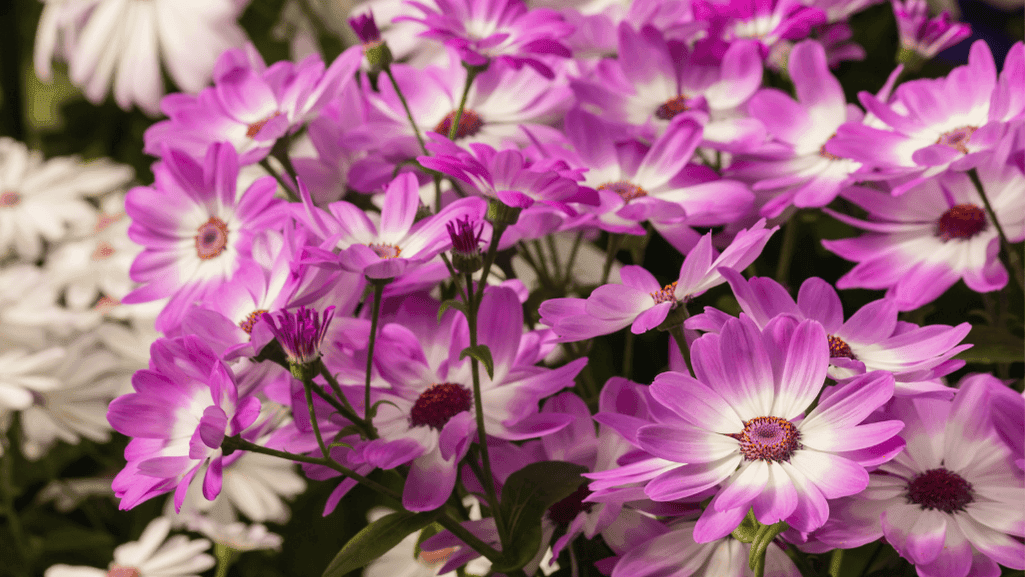
Exploring osteospermum varieties shows a wide range of colors. These colors go from classic whites to a stunning rainbow of hues. These flowers have evolved to win over gardeners and viewers.
At first, osteospermum was known for its white and peach colors. These colors added elegance to gardens. But, thanks to botanists and breeders, the colors have grown to include vibrant purples, radiant oranges, and multicolored patterns. Now, there’s a color for every garden style.
The popular cultivars include the Osteospermum ‘Astra Pink Spoon’. It’s known for its unique shape and color. It also adapts well to different garden conditions.
| Characteristics | Details |
|---|---|
| Flower Diameter | 4.5 – 5 cm |
| Plant Height | 10 – 20 cm, ideal for smaller spaces |
| Color Variations | Predominantly pink with hints of dark violet and white |
| Market Availability | Highest in April; available to a lesser extent in May |
This cultivar is loved for its strong nature and bright colors. It thrives in heat, making it perfect for places like Austin, TX. It’s also great for small gardens or containers, adding beauty and versatility.
Adding osteospermum varieties to your garden boosts its look and helps local wildlife. Bees and butterflies love these flowers. So, picking the right osteospermum helps your garden look good and supports nature.
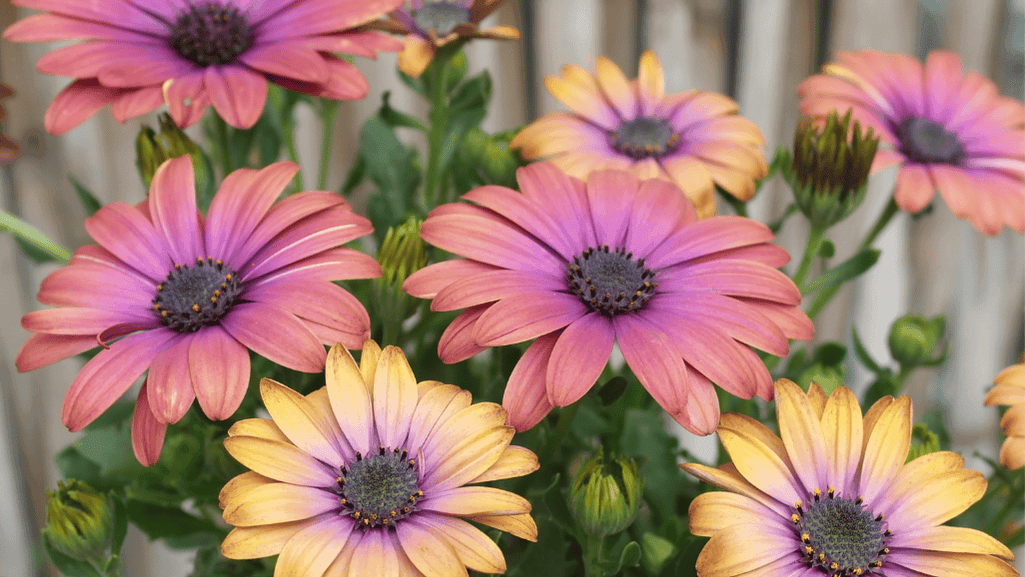
To keep osteospermums looking great, good care is key. These plants love the sun and need the right conditions to bloom well. We’ll cover light, soil, and how to feed them.
Osteospermums need lots of sunlight to bloom fully. They should get at least six hours of direct sun each day. This helps them keep blooming and stay healthy.
Good soil and watering are crucial for osteospermums. They like soil that drains well and feels dry to the touch. Water them when the soil feels dry, but don’t let them dry out too much. The soil should be a bit acidic to help the roots and plants grow strong.
Osteospermums don’t need a lot of food but do well with some. A balanced fertilizer can make them bloom more. Feed them every three weeks during the growing season to keep them looking great.
For more tips on growing these beautiful plants, check out how to grow and care for African daisies. These guides offer great advice on caring for osteospermums.
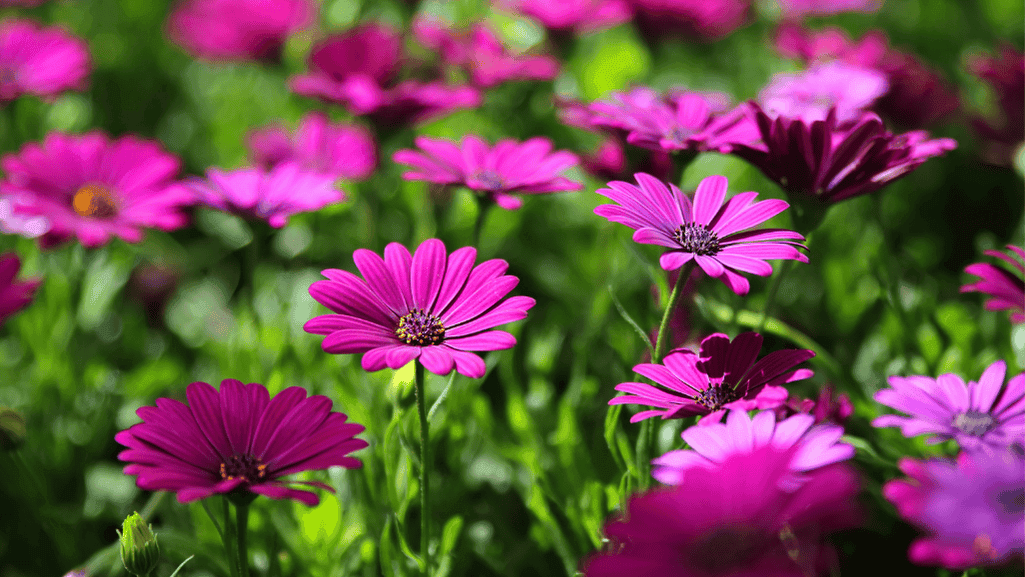
When thinking about creative landscaping, Osteospermum, or African daisies, are more than just bright flowers. They add garden beauty with their variety, fitting many landscape themes.
Osteospermum landscaping ideas show how these plants can improve garden looks. They work well in sunny spots or hanging baskets, making great focal points or backgrounds.
They pair well with grasses and herbs like lavender, showing their osteospermum landscape uses. These plants are easy to care for together, creating a healthy garden.
| Feature | Description | Benefits |
|---|---|---|
| Height and Spread | 10-16 inches tall, 24-28 inches wide | Great for ground cover and adding height in small gardens. |
| Bloom Time | Spring to Fall | They keep gardens colorful all season, adding to their appeal. |
| Lighting | Thrives in full sun | Perfect for sunny garden spots, needing little care. |
| Companion Planting | Compatible with lavender, grasses | They share water and soil needs, making gardening easier. |
Osteospermum is tough in different climates and safe for gardens, making them popular. With garden lights, they become even more magical at night.
To grow a garden full of vibrant colors, follow the right osteospermum growing tips. This South African plant comes in about 70 types and fits well in many gardens. It brings colors from pink to yellow and attracts pollinators.
Planting Osteospermum at the right time ensures flowers from spring to fall. They bloom early spring to mid-summer and again in the fall. The ‘Soprano’ series blooms all summer, keeping your garden colorful. Plant them 12 to 18 inches apart to let them spread out.
Osteospermum flowers close at night and on cloudy days. Pairing them with other plants keeps your garden interesting. Choose plants that match their height and dark leaves. This not only looks good but also helps all plants grow well together.
Osteospermum stands out in containers or as groundcover. Use 3-4 liners in large pots for a full look, or one in small pots. They can move with the weather and handle heat and dry soil well. This makes them great for both ground and container gardens.