Beautiful flowers gardenia Plants For Your homes
Beautiful flowers gardenia Plants For Your homes


Discover the natural beauty of orchids growing on trees, just as they do in tropical forests around the world. Approximately 70% of orchid species are epiphytes, meaning they naturally grow attached to trees rather than in soil. This guide will show you how to recreate this stunning natural display in your own garden, with step-by-step instructions for selecting, mounting, and caring for orchids on trees. Whether you’re an experienced orchid enthusiast or a curious beginner, growing orchids on trees offers a rewarding way to showcase these exotic blooms in their natural habitat.
Epiphytic orchids have evolved to thrive above ground, using trees merely for physical support rather than extracting nutrients from them. Unlike parasitic plants, orchids don’t harm their host trees. Instead, they’ve developed specialized adaptations to collect water and nutrients from the air, rain, and organic debris that collects around their roots.
In their natural habitat, these orchids grow in the canopies of tropical and subtropical forests. They’ve evolved to escape the intense competition for light and space on the forest floor by moving upward. This evolutionary strategy allows them to access better light conditions while avoiding ground-dwelling predators and pathogens.
Why Orchids Grow on Trees: It’s an evolutionary adaptation that allows orchids to escape the competition of the forest understory. By growing on trees, orchids gain access to better light conditions while avoiding ground-dwelling predators and diseases.
The specialized root system of epiphytic orchids serves multiple functions. The thick, fleshy roots not only anchor the plant to the tree but also absorb moisture and nutrients from the air. Many species have a spongy outer layer called velamen that quickly absorbs water when available and provides a silvery protective coating when dry.
Understanding these natural growing conditions is key to successfully growing orchids on trees in your own garden. By mimicking their natural habitat, you’ll create an environment where your orchids can thrive and display their exotic beauty as nature intended.
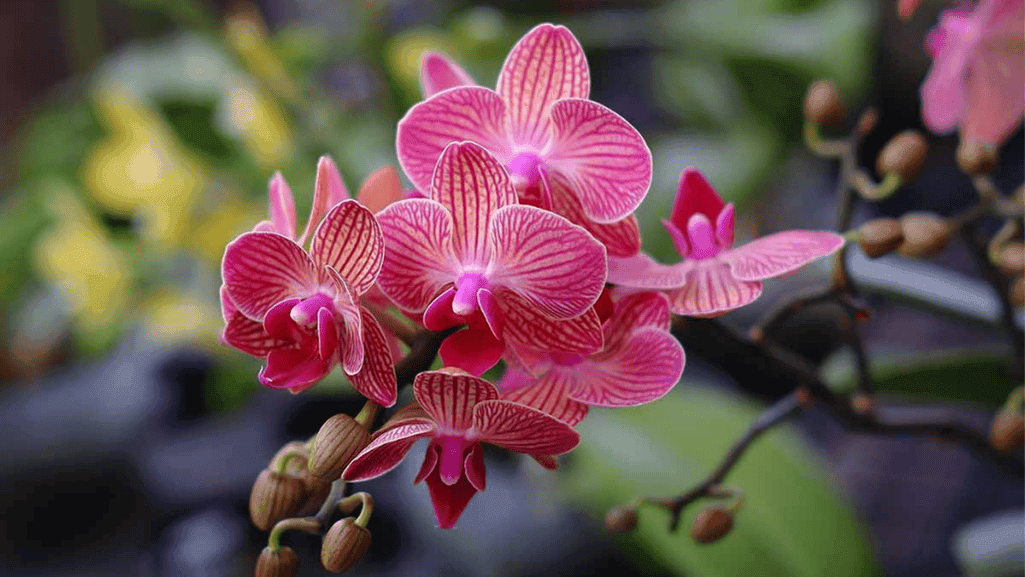
Not all orchids are suitable for growing on trees. The best candidates are those that naturally grow as epiphytes in the wild. Here are some excellent species to consider for your tree-mounting project:
| Orchid Species | Light Requirements | Temperature Range | Difficulty Level | Best Tree Types |
| Cattleya | Bright, filtered light | 55-85°F (13-29°C) | Moderate | Oak, citrus, rough-barked trees |
| Dendrobium | Bright light to partial sun | 50-90°F (10-32°C) | Easy to moderate | Palm trees, rough-barked hardwoods |
| Oncidium | Medium to bright light | 55-85°F (13-29°C) | Moderate | Oak, mango, avocado trees |
| Phalaenopsis | Low to medium light | 65-85°F (18-29°C) | Moderate | Shaded branches of hardwoods |
| Vanda | Bright light to full sun | 60-95°F (16-35°C) | Challenging | Palm trees, sun-exposed branches |
| Brassavola | Bright light | 55-90°F (13-32°C) | Easy | Most rough-barked trees |
If your garden has limited direct sunlight, consider these shade-loving orchids:
For sunnier locations in your garden, these orchids will thrive:
Ready to start your orchid tree garden? Explore our curated selection of tree-mounting orchid species, perfect for beginners and experienced growers alike.

Not all trees make suitable hosts for orchids. The ideal trees provide the right balance of light filtration, bark texture, and moisture retention. Here’s what to look for when selecting a tree for your orchids:
| Bark Type | Suitability | Moisture Retention | Root Attachment | Example Trees |
| Rough, fissured bark | Excellent | High | Very good | Oak, mango, avocado |
| Moderately textured bark | Good | Medium | Good | Citrus, bottlebrush |
| Smooth bark | Poor | Low | Difficult | Birch, eucalyptus |
| Palm trees | Good for sun-loving species | Medium | Good | Most palm varieties |
The best trees for mounting orchids have rough-textured bark that provides crevices for roots to attach and helps retain some moisture. Tropical hardwoods like oak, mango, and avocado are excellent choices. Palm trees also work well, especially for sun-loving orchid species.
Look for Lichens: The presence of lichens (green, grey, white, or yellow blotches) on tree bark often indicates moister, shadier conditions that many orchids prefer. These areas can be ideal mounting locations.
| USDA Zone | Suitability | Special Considerations | Recommended Orchid Types |
| 9-11 | Excellent | Year-round growing possible | Most tropical species |
| 7-8 | Good | Winter protection needed | Hardy Dendrobium, Epidendrum |
| 5-6 | Limited | Seasonal outdoor growing only | Cold-hardy species only |
| Below 5 | Not recommended | Indoor growing preferred | Consider indoor mounting instead |
In cooler climates (zones 5-8), consider growing orchids on trees seasonally and bringing them indoors or providing protection during winter months. In zones 9-11, you can grow most tropical orchid species on trees year-round with minimal protection.

Successfully mounting orchids on trees requires careful preparation and technique. Follow these steps to ensure your orchids establish themselves properly and thrive in their new home:
The location on the tree is crucial for your orchid’s success. Consider these factors when selecting the perfect spot:
For shade-loving orchids like Phalaenopsis, choose spots closer to the trunk where the canopy provides protection. For sun-loving varieties like Vanda, positions toward the outer branches or on palm trees may be more suitable.
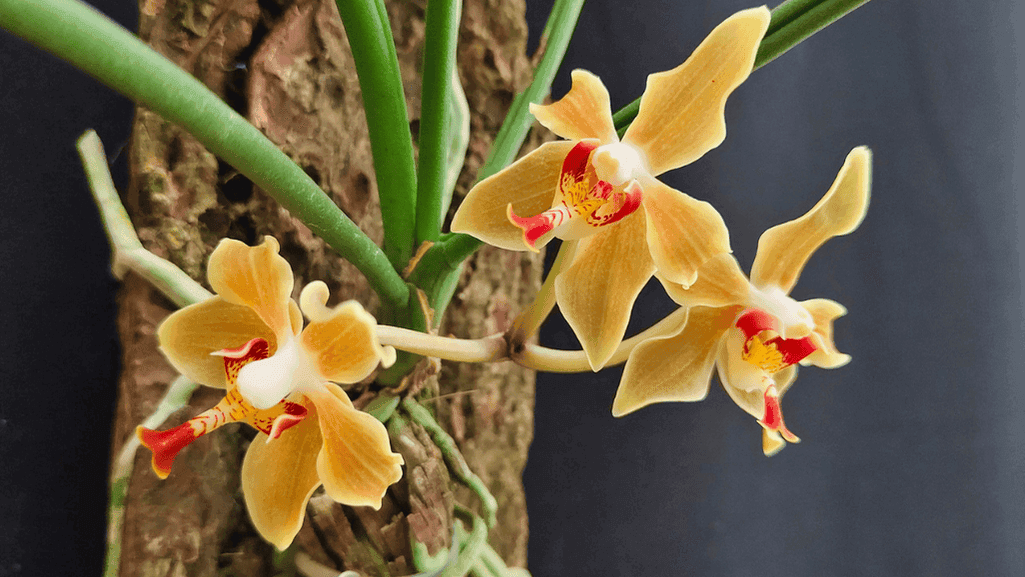
Proper preparation of your orchid is essential for successful mounting:
Important: Never remove healthy roots, even if they seem excessive. The more healthy roots your orchid has, the better its chances of successfully establishing on the tree.
You’ll need the following supplies to securely attach your orchid:
Get everything you need to successfully mount your orchids with our complete mounting kit, including natural fiber string, sphagnum moss, and detailed instructions.
Now it’s time to attach your orchid to the tree:
If using sphagnum moss, you can place small amounts around (but not covering) the roots to help retain moisture during the establishment period. Don’t cover the pseudobulb or crown of the plant with moss, as this can cause rot.
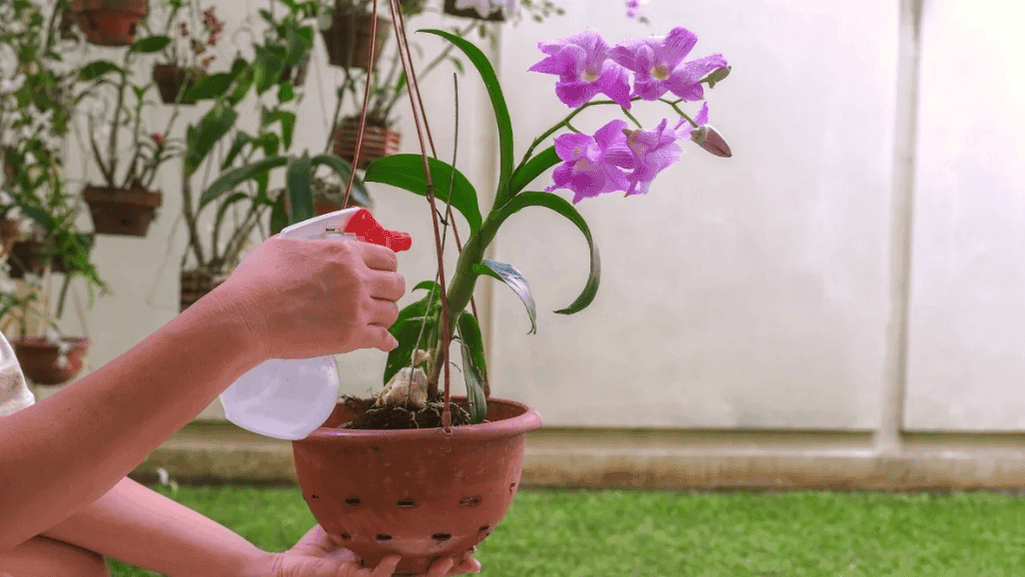
The first few weeks after mounting are critical for establishment:
After about a month, your orchid should begin establishing itself on the tree. You’ll know it’s successful when you see new root growth attaching to the bark and eventually new leaf or pseudobulb growth.

Caring for orchids on trees requires adjusting your maintenance routine throughout the year. Here’s a seasonal guide to keep your tree-mounted orchids thriving:
Spring is typically the active growing season for most orchids:
Summer brings heat and often the need for increased attention:
As temperatures begin to cool, adjust your care routine:
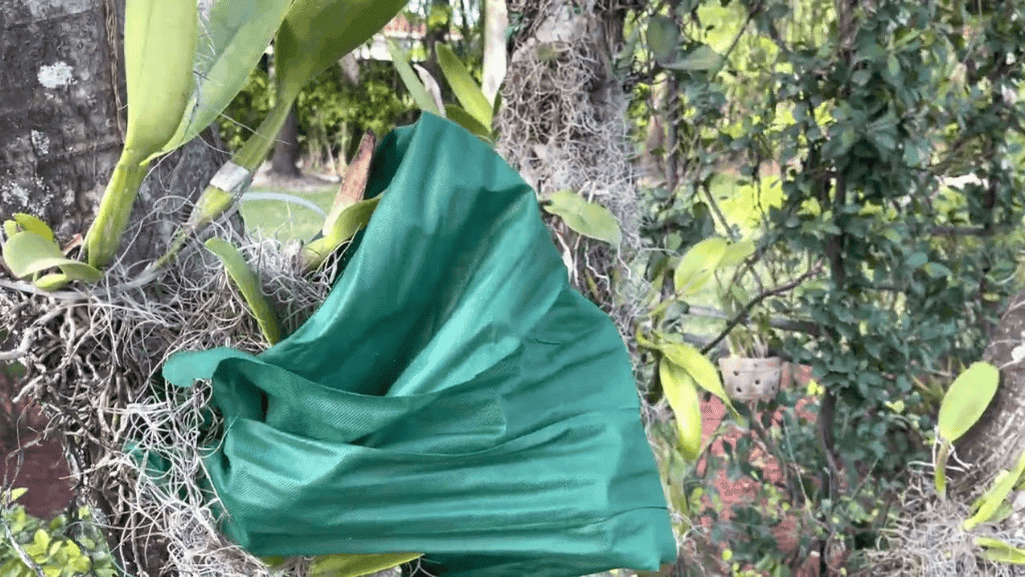
Winter care varies significantly depending on your climate zone:
Never miss an important care task with our comprehensive month-by-month guide to caring for tree-mounted orchids in your specific climate zone.
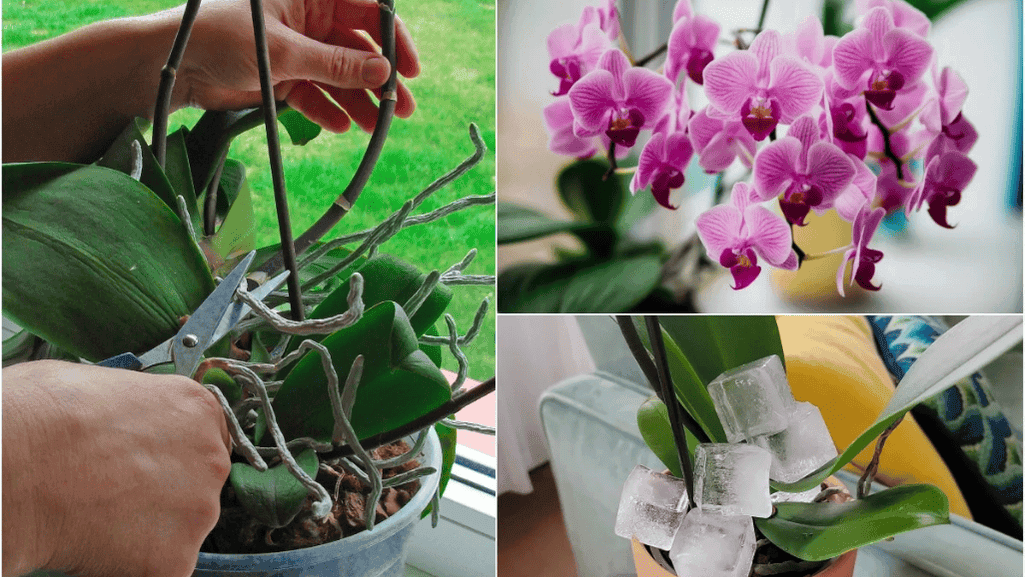
Using metal wire or plastic zip ties can damage both the orchid and the tree. Metal wire can heat up in the sun and burn the plant, while plastic ties don’t degrade and can eventually girdle the growing branch. Always use natural, biodegradable materials like cotton string, jute, or strips of pantyhose.
One of the most common mistakes is placing orchids in inappropriate light conditions. Research your specific orchid species and match it to the appropriate location on your tree. Shade-loving orchids placed in direct sun will quickly burn, while sun-loving varieties placed in deep shade will fail to thrive and bloom.
Newly mounted orchids need consistent moisture until they establish. Many beginners underestimate how much water is needed during the first few weeks. Daily watering is essential during the establishment period to prevent dehydration and encourage new root growth.
Failing to thoroughly clean potting medium from roots before mounting can lead to rot and prevent proper attachment to the tree. Take time to gently remove all moss, bark, or soil from the roots before mounting.
Timing matters when mounting orchids. The best time is typically in spring as the growing season begins. Mounting during extreme weather (mid-summer heat or winter cold) puts additional stress on the plant and reduces success rates.
Light requirements vary by orchid species. Shade-loving orchids like Phalaenopsis need bright, indirect light and should be mounted on branches near the trunk or on the north/east side of the tree. Sun-loving orchids like Vanda can handle more direct sunlight and do well on outer branches or palm trees. Always research your specific orchid species and match it to an appropriate location on your tree.
Winter protection depends on your climate zone. In zones 9-11, minimal protection is needed except during occasional frost events, when breathable covers like burlap can be used. In zones 5-8, consider temporarily removing orchids from trees during freezing weather or providing substantial protection with frost cloth. Some growers in colder climates mount orchids seasonally, bringing them indoors for winter.
To encourage blooming, ensure your orchids receive appropriate light for their species, proper seasonal temperature variations, and regular fertilizing during the growing season. Many orchids need a slight temperature drop at night to initiate blooming. Use a balanced orchid fertilizer diluted to half strength every 2-3 weeks during the growing season, and reduce or eliminate fertilizer during dormancy periods.
Orchids typically take 6-12 months to firmly attach to a tree. You’ll know attachment is occurring when you see new roots growing directly onto the bark surface. The mounting material (string, etc.) should be left in place until the orchid is securely attached, which may take up to a year. Natural fiber materials will gradually decompose on their own.
Growing orchids on trees year-round is challenging in areas with freezing winters (zones below 9). However, you can still enjoy this growing method by either: 1) Growing cold-hardy orchid species that can withstand brief freezes with protection, 2) Mounting orchids seasonally and bringing them indoors for winter, or 3) Creating a microclimate with protective covering during cold periods. Success depends on selecting appropriate species and providing adequate winter protection.
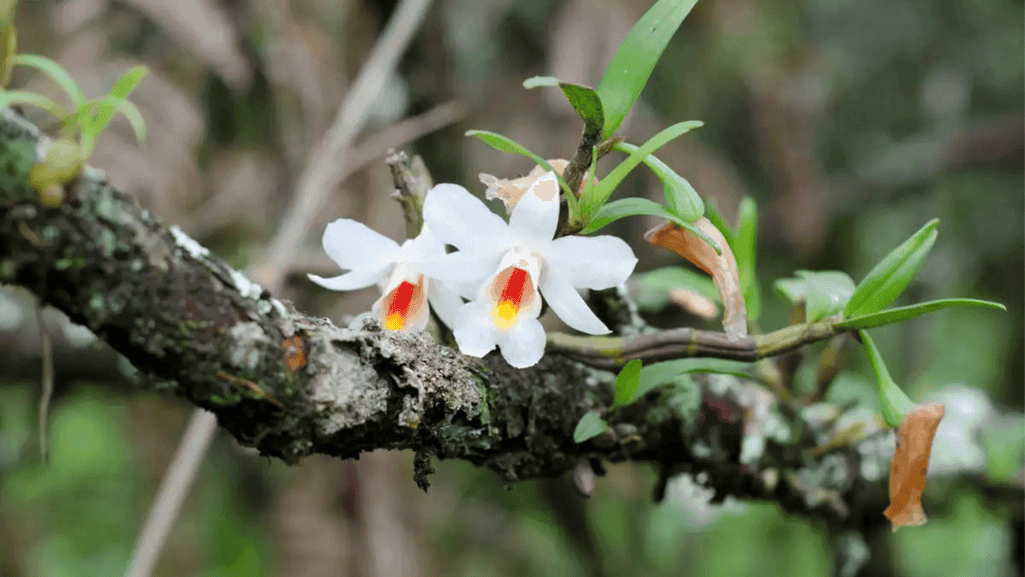
Growing orchids on trees connects us to the natural way these fascinating plants grow in the wild. By following the guidelines in this guide, you can create a stunning display of epiphytic beauty in your own garden. Remember that patience is key—it takes time for orchids to establish themselves on trees, but the results are well worth the wait.
Start with easier species like Dendrobium or Brassavola before attempting more challenging varieties. Experiment with different mounting positions and tree types to discover what works best in your specific environment. With proper care and attention to seasonal needs, your tree-mounted orchids will reward you with years of exotic blooms and a truly unique garden feature that showcases these remarkable plants as nature intended.
Explore our complete selection of mounting-ready orchids, supplies, and care guides to create your own stunning display of epiphytic beauty.