Beautiful flowers gardenia Plants For Your homes
 Skip to content
Beautiful flowers gardenia Plants For Your homes

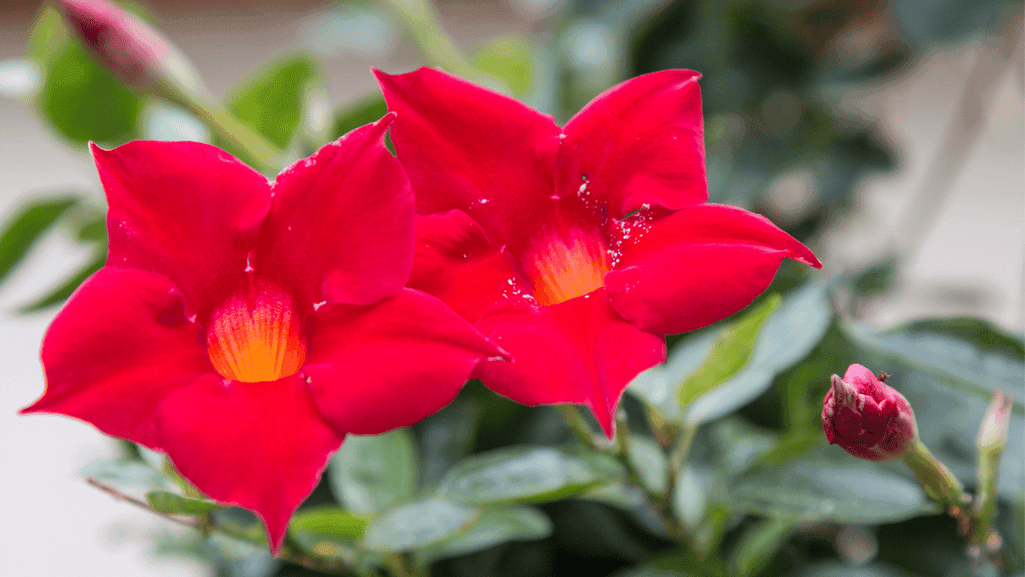
This tropical gem offers bold color and an easygoing habit that brings instant seasonal impact to entryways, patios, and mixed beds.
The showy, trumpet-shaped flowers attract bees, butterflies, and hummingbirds, adding life and movement to any garden.
Available in classic climbing forms and compact mounding types, this flowering vine can be trained upward on a trellis or left to cascade from a container for lush texture.
It thrives in warm spots and tolerates heat well, so care is straightforward for gardeners who want reliable performance without constant fuss.
In the guide that follows, you’ll find clear steps on climate, light, soil, watering, training, feeding, and overwintering. Expect practical tips to help this tropical plant deliver continuous color from late spring through fall.
Bold trumpet flowers and a lingering fragrance turn simple containers into showstopping displays. These large, scented blooms invite bees, butterflies, and hummingbirds, adding life and movement to patios and borders.
Sun and summer performance: When placed in direct sunlight, this vine produces stronger blooms, fuller growth, and richer color through the hottest months. Abundant light is the key to sustained flowering.
Heat resilience and drought tolerance: As Justin Hancock notes, it “holds up to heat like a champ.” In warm climates it keeps flowering even during intense heat, and it has pretty good drought tolerance—often surviving a hot weekend without daily watering.
Still, steady moisture produces the best display of blooms. Think of drought tolerance as insurance for busy gardeners, not a reason to skip regular watering.
“Holds up to heat like a champ,” notes Justin Hancock.
Where you live sets the rules for outdoor care and the best time to move containers. In warm regions within USDA Zones 9–11, this tropical vine can persist as an evergreen perennial and add long runs of color to the landscape.

Zones 9–11: Plants remain outside year-round and often bloom much of the year in frost-free climates.
In cooler regions, frost can harm or kill tender vines. Treat them as annuals, or grow in containers so you can move them indoors before temperatures drop.
Wait until overnight lows stay reliably above 50°F and all frost risk has passed before returning containers outdoors in spring.
Limit exposure hours to cool nights during shoulder seasons to avoid shock. Gradually harden off pots over a week to reduce stress from sudden light and temperature shifts.
Use a greenhouse or bright indoor spot as a staging area. That extra protection keeps steady growth and makes the transition smoother for houseplant care.
Plan ahead by tracking local frost dates and regional climates so your vine performs reliably through the year in both beds and container gardens.
Bright, steady light is the single biggest driver of abundant summer blooms. For the best shows, pick a spot that delivers about 6–8 hours of full sun. Strong light fuels flower set and keeps growth compact.
In extreme heat, shield potted specimens from the harshest midday rays for a few hours to avoid leaf scorch. Monitor leaf color and turgor regularly; dull, curled, or bleached leaves signal stress.
While these plants survive in partial sunlight, they will produce fewer flowers and develop lanky stems. Place containers where morning sun and light afternoon shade balance brightness with protection during heat spikes.

Consistent light exposure stabilizes growth rhythms, raises bud set, and helps flowers hold through the hottest weeks. Dialing in light and heat management is a core step for sustained bloom success.
Healthy roots start with well-drained soil and a clear, simple watering cue. Good structure and consistent moisture—without saturation—give the best results for summer blooms.
In beds, use soil rich in organic matter and avoid heavy clay unless it’s heavily amended with compost. Compost improves texture and drainage so roots can breathe.
For containers, choose a quality potting mix rather than garden soil. Potting mixes stay light and keep aeration in confined pots.
Irrigate when the top few inches of soil feel dry. That simple inches soil test stops both soggy roots and drought stress.
Keep moisture steady but not waterlogged. Overwatering shows up as yellowing leaves and poor roots; underwatering cuts flowering.
Set supports and pick your pot before you place the root ball. That small step avoids breaking tender stems and makes training vines simple from day one.
Site prep for beds and borders: Loosen the soil to about 12 inches, work in compost or other organic matter for better drainage, and position near a sturdy trellis or obelisk if you chose a climbing variety.
Plant at the same depth as the nursery container. Backfill gently and water to settle soil without compacting roots. Add a light mulch to conserve moisture while roots establish.

Choose a container with ample drainage holes and a size that gives a season of root growth while still being easy to move. Use a general-purpose potting mix; avoid heavy garden soil because it can trap water and raise disease risk.
Final tip: Install supports before planting, water in thoroughly, and check moisture often the first few weeks. Careful setup now pays off with stronger growth and easier maintenance all summer.
Deciding between a climbing form and a compact mound sets the tone for how you’ll use this summer-blooming vine. Vining varieties offer dramatic vertical color, while mounding types give low-maintenance fullness for pots and borders.
Vining forms twine as they grow and need a trellis, pole, or arbor; they will not cling to flat walls on their own.
Loosely tie new shoots to supports and gently redirect wandering stems every few weeks. Early guidance prevents tangles and improves airflow, which helps leaves stay healthy and flowers open more consistently.

“Pair the right support height with the selected vine to allow room for growth and easier pruning.”
Check stems after windy days and re-secure ties to avoid breakage. Choosing the right habit and supports from day one builds a season-long showpiece with minimal drama.
A few simple habits—feed in spring, trim lightly, and keep conditions steady—help this vine set more flowers and stay vigorous through the year.

Start a feeding program in spring with a general-purpose, water-soluble fertilizer or place a time-release tablet in the pot. Feeding is optional but often increases the number of blooms and extends peak display in containers.
During active growth, feed every couple of weeks with a diluted solution, or use one application of a time-release product to simplify care through the busiest months.
Light pruning encourages branching and redirects energy to new growth tips that produce more blooms. Make small, frequent trims rather than heavy cuts to avoid shocking the vine.
Remove spent or damaged stems and clean pruners between cuts to reduce disease and improve airflow.
Keep light, temperature, and watering consistent to prevent leaf drop and fewer blooms. Indoor or patio-grown houseplant specimens respond especially well to steady conditions and gentle grooming.
Overall, small regular steps beat sporadic heavy interventions—balanced nutrition plus smart pruning yields a longer, fuller flowering season.
Bringing containers inside as temperatures approach cool evenings prevents frost damage and simplifies winter care.
When to move them: In fall, bring a container indoors once night lows hover around 50°F to avoid frost injury. Transition slowly over a week so foliage and stems adjust.
Place the vines in bright, indirect light to keep leaves healthy while days shorten. Avoid direct midday sun that can scorch tender foliage.
Raise humidity with regular misting or a pebble tray to counter dry indoor air from heating systems.
Reduce how much you water; irrigate only when the top inch of potting mix feels dry. Check for pests before moving inside and treat any issues to protect indoor spaces.
When leaves turn yellow, start with simple checks before assuming a serious problem. Small changes in care often fix the issue fast.
Troubleshooting leaf yellowing and stress
Diagnose yellow leaves by checking soil moisture first—both overwatering and underwatering cause similar symptoms. Feel the top inch of soil; if it’s soggy, cut back on water. If it’s bone dry, give a deep soak and then return to a steady schedule.
Also evaluate light and temperature conditions. Extremes reduce vigor and cut back on flower set. Adjust placement or shade to stabilize growth.
Managing fungal leaf spots
For brown spots from fungal disease, prune out affected foliage and dispose of it away from beds. Apply a labeled fungicide to protect new growth and repeat as the label directs.
Improve airflow by spacing containers and thinning crowded stems. Faster drying of foliage after rain or irrigation reduces recurring leaf spots.
Routine checks and steady care prevent most issues. Keep a log of what preceded problems so you can tweak conditions and protect the display in future seasons.
Create vertical drama by placing a flowering climber near a trellis, arbor, or mailbox post. A tall support turns a single specimen into a true focal point in the landscape.
Position vines so they can climb without crowding other beds. Allow room for several ft. of growth and pick a trellis that matches the expected scale.
Pair with warm-season favorites like lantana to boost pollinator visits and deepen overall color. Repeat pink flowers and contrasting tones in nearby containers to tie the display together.
Use container gardens at entries or patios for a resort-style look. For small spaces, choose mounding varieties or place trailing forms in hanging baskets so stems spill without staking.
For variety, try Fuchsia x hybrida, Lantana camara ‘Miss Huff’, or Thunbergia alata. These offer similar summer impact and work well alongside climbers for layered interest.
Choose the right habit and setting and you’ll enjoy a long season of color from this mandevilla plant.
Give it 6–8 hours of full sun, well-draining soil, and steady water. Check the top inches and irrigate when the inches soil test shows it’s time so roots stay healthy and productive.
In USDA Zones 9–11 it can live outdoors most of the year; elsewhere, use a container to move specimens into a greenhouse or bright indoor spot for winter.
Vining forms need supports that can reach several ft., while mounding varieties fit neatly into beds borders and compact patios.
Feed lightly in spring and summer and groom spent stems to keep flowers coming through the heart of summer. With simple, consistent care, this flowering vine rewards gardeners with reliable, elegant displays.

 Optimized by Seraphinite Accelerator