Beautiful flowers gardenia Plants For Your homes
Beautiful flowers gardenia Plants For Your homes

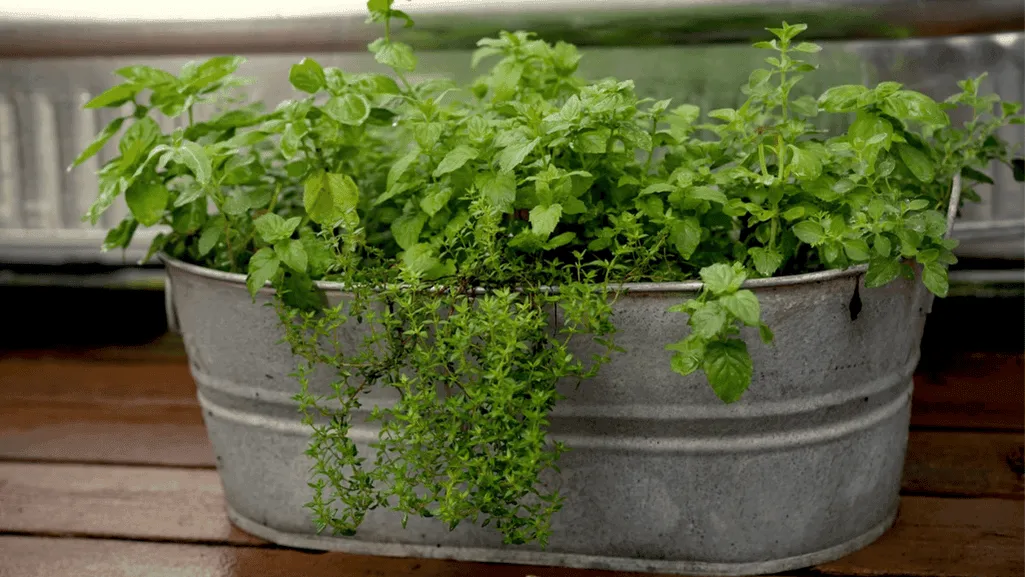
Ready to learn the best way to plant and herb Pots Outdoor style containers that make harvesting easy and flavors bold?
This guide shows how to choose breathable materials like terra cotta, pick the right planter size, and place containers on a balcony, patio, or small yard so you can grow herbs with confidence.
Many herbs need six hours of sun and benefit from good drainage. Larger planters hold moisture more evenly and let roots grow deeper, so plants stay steadier through heat and cold.
Throughout this how-to, you’ll find clear steps on soil mixes, watering rhythms, feeding, planting, and seasonal care. You’ll also see design ideas that keep flavors and fragrances close to the kitchen door and make your garden look inviting.
Good container selection and placement make the biggest difference when you want a productive patio garden.
You’ll learn core skills—how to choose a planter with the right depth (about 8 inches) and width (around 10 inches) so roots have room and soil won’t dry out too fast.
Sun matters: most herbs need at least six hours of light. The guide shows how to make sure your balcony or patio gets that exposure and where to move tender plants into light shade during heat waves.
Soil and watering are next. Expect a simple, well-draining mix and a watering rhythm that avoids overwatering, the most common failure. You’ll also get feeding tips that keep flavor bright without soft growth.
Special cases like mint and allelopathic species get their own advice so you can plant combinations that thrive together.
“Start small, choose breathable materials like terra cotta, and follow repeatable steps for steady success.”
Beginners will find clear checklists, and experienced gardeners get refinement tips to keep herbs productive longer.
Container choice determines how often you water, how roots breathe, and how plants cope with heat or cold. Pick a material and size that match your routine and the local climate.
Terracotta pots and terracotta-style clay excel for breathability and fast drainage. Metal and cement are durable and stable; paint cement if you want the clay look.
Wicker adds warmth to a hardscape but needs a perforated liner to avoid waterlogging. Lightweight resin or coated metal eases seasonal moves.
Avoid containers under about 8 inches deep and 10 inches across—small vessels dry quickly and stress roots. Choose planters with generous drainage holes and skip stones at the bottom.
Use coffee filters or a folded paper towel at the outlet to keep mix from washing out without blocking flow.
Double-walled planters provide an insulating air gap that steadies root temperature. Self-watering models suit busy schedules or hot zones and cut daily checks.
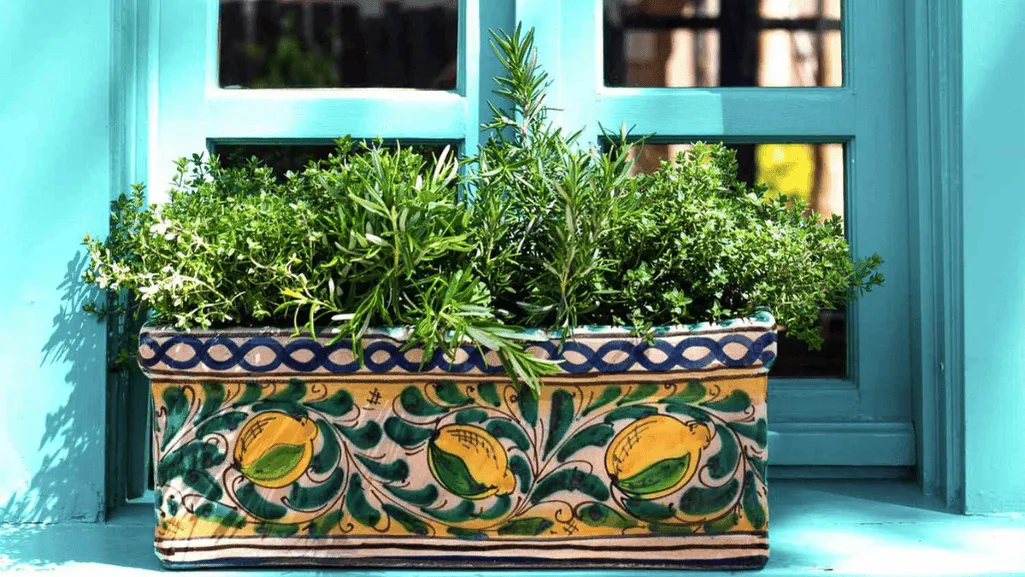
“Invest where it counts: solid drainage, adequate volume, and stable materials keep plants productive through weather swings.”
Aim for a spot that delivers solid mid-day light—most culinary plants reward six hours of direct sun. Find locations that collect steady light and avoid deep shade. Good placement boosts essential oils and flavor.
Look for south- and west-facing exposures on a patio or balcony. Walls that reflect heat can extend the daily light window. Note windy corners; they dry containers faster and stress plants, so choose deeper planters or wind-sheltered nooks there.
Lift containers into brighter layers with plant stands, pallet gardens, wall theaters, or railing planters. Hanging baskets also need about six hours of sun—place them so they don’t shade lower tiers.
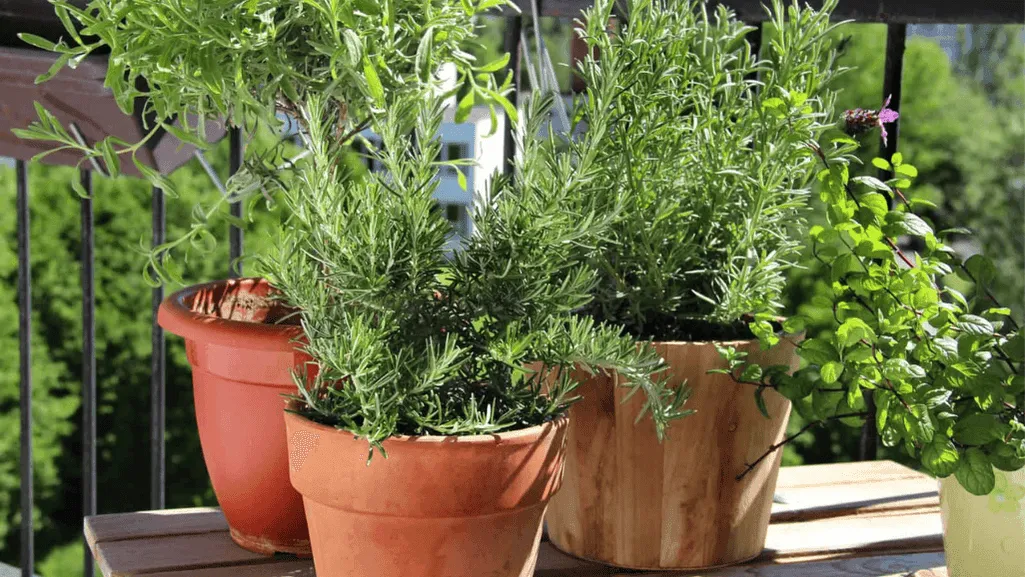
“Place window boxes on south- or west-facing exposures to capture the longest sun window.”
A well-built soil blend gives container roots the air, moisture, and food they need to grow strong.
Reliable recipe: mix two parts high-quality potting mix with one part compost and one part garden soil. This balances drainage, nutrients, and structure for containers.
Pre-moisten the potting mix before filling to avoid dry pockets that stress young roots. Sift out large bark or debris so roots contact the medium evenly.
Compost supplies microbial life and slow-release nutrition. Potting mix keeps porosity, while garden soil adds minerals and body.
Avoid stones or shards at the bottom; they can create a perched water table and inhibit drainage.
Instead: use a coffee filter or a folded paper towel over the drainage hole. This retains the soil blend while keeping the bottom free-draining and friable.
When reusing a planter, remove old roots and refresh at least one-third of the blend each season to restore tilth and prevent compaction.
“Methodical filling—liner in, pre-moistened blend, gentle firming, and a thorough first soak—sets plants up for steady root exploration.”
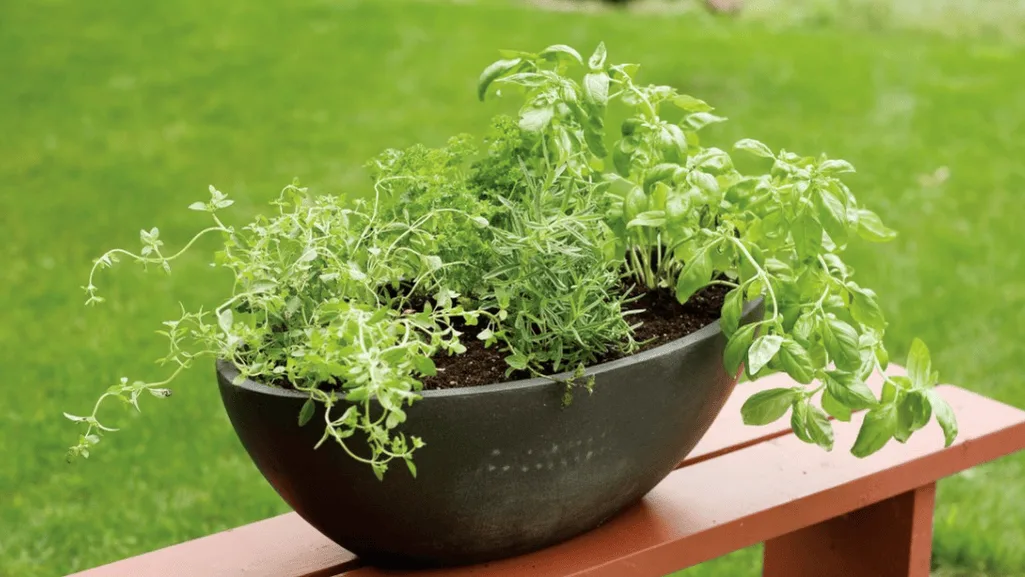
For more step-by-step container advice, see growing herbs in containers.
How and when you water often decides if a container garden stays productive through the season. Overwatering is the leading cause of losses, so learn simple checks that stop mistakes before they start.
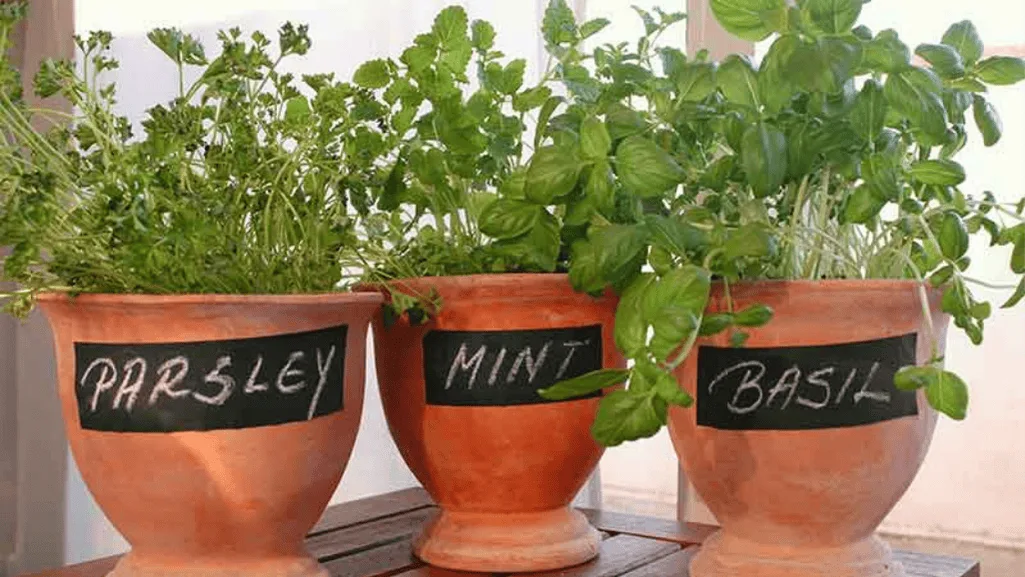
Check moisture with a finger test and the weight of the pot before you add water. If the top inch feels dry and the container is light, it’s time to irrigate.
Many plants wilt in heat but recover by morning. Wait until the next day before watering unless they stay limp overnight.
As roots colonize a container, uptake and evaporation rise. Expect shorter intervals between waterings as the season advances.
“Water in the morning when needed and never let a saucer hold standing water.”
Woody Mediterranean types prefer slightly drier soil than leafy parsley. Tailor your schedule to hot, windy days and cool, cloudy spells to keep roots healthy and flavors strong.
Prep work—cleaning the pot, checking holes, and moistening mix—makes planting simple and reliable. Start by inspecting the container to make sure drainage holes are open. Add a coffee filter or folded paper towel over the outlet and pre-moisten the potting mix for even settling.
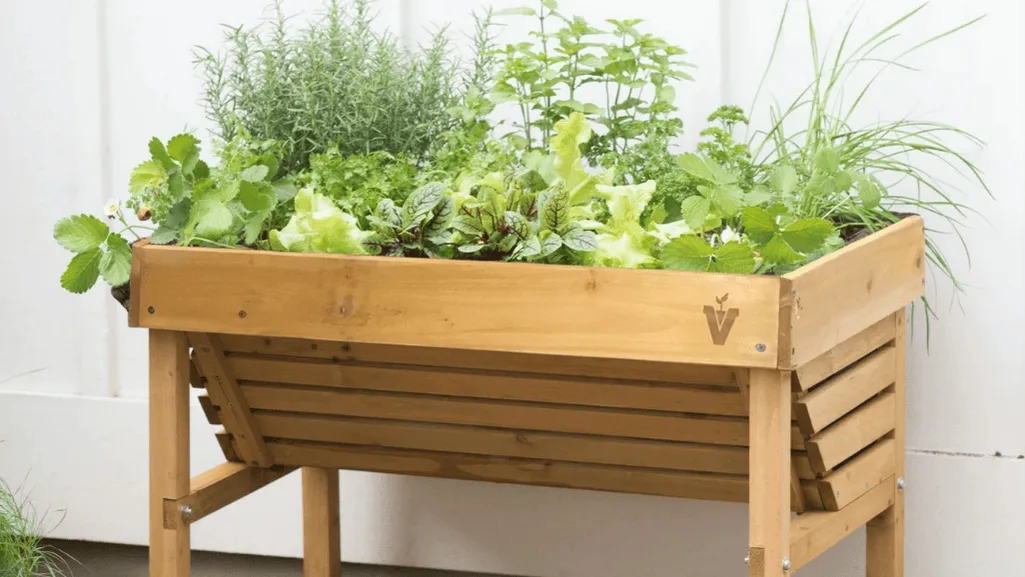
Use a wide planter between 12-16 inches; for mixed groups, choose a minimum 16-inch pot so roots have room. Set each transplant at the same depth it grew in its nursery container. Firm gently and leave about an inch below the rim for clean watering.
Combine plants with similar water and light needs. Classic pairings work well: rosemary, thyme, and Compacta oregano, or sage, marjoram, and thyme. Space transplants to allow airflow and future growth; resist overpacking to prevent disease.
Label each herb clearly to guide harvesting and trimming. Prune lightly and often to keep herbs compact and productive. Harvest from top growth and avoid stripping whole sides.
“Inspect first, plant once: good prep saves time and keeps plants thriving.”
Not all container companions age the same; a few need separate quarters as they mature. Plan now so mixed designs stay attractive and productive for years.
Mint spreads with both surface shoots and underground runners. Frequent harvesting and cutting runners above the soil help keep it contained in a shared planter.
For low maintenance, place mint in its own dedicated pot. That certainty prevents it from overrunning neighbors over multiple seasons.
Rosemary grows slowly at first and can share space with thyme or oregano for months. Expect to repot it into a larger planter as roots thicken and woody growth rises.
Plants such as fennel and rue can suppress nearby plants. Give them separate containers and sharp drainage. Wear gloves when handling rue; its sap can irritate skin.
“Plan for eventual size and soil needs so special cases don’t overwhelm the container garden.”
Mixing textures and heights gives a small garden depth and a sense of abundance. Use multi-level displays to maximize visual impact and growing area in tight spaces.
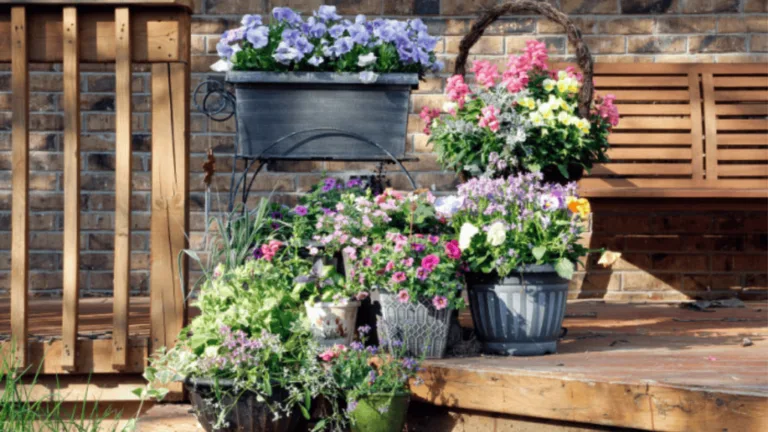
Plant stands, step ladders, and herb theaters create layered vignettes that turn a corner into a focal point. Group mid-sized planter varieties on tiers so each plant gets sun and airflow.
Mount window boxes on south- or west-facing rails for quick kitchen access. Railing planters free floor space and keep favorite plants within reach for daily snips.
Vertical pallet gardens with chalkboard labels save wall space and organize varieties. Stacked crates make rustic shelving—anchor stacks to prevent tipping.
Tiered terracotta pots—think terracotta pots strawberry jars—work well for thyme pockets with a compact rosemary at the top. Hanging baskets pair upright chives or basil in the center with trailing thyme or prostrate rosemary at the rim.
“Balance beauty with function: keep access for watering, harvesting, and rotation toward the light.”
A few simple shifts each season keep plants cooler, moister, and more productive. As days lengthen and temperatures climb, small moves around the patio or garden protect foliage and flavor.
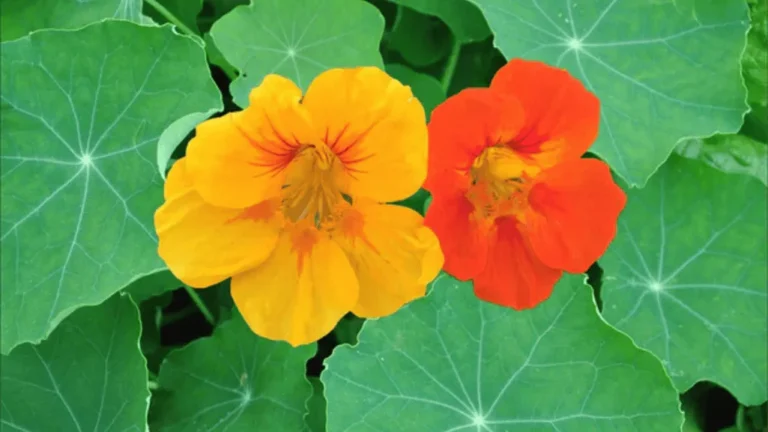
Move tender varieties into light shade when summer heat peaks. Lavender and nasturtiums, for example, benefit from a shift as intense sun stresses foliage. A late-morning to afternoon shade spot reduces wilting and extends productive life.
Top containers with a thin layer of oak leaves. This simple mulch cools the root zone, adds organic matter, and slows evaporation between waterings.
Use furniture sliders or plant caddies to reposition heavy planters easily. Raised bed or portable containers can be sited near windbreaks or reflective walls to tune temperature and light.
“Small seasonal adjustments, repeated year after year, build a more resilient, lower-maintenance collection.”
Over the years, these habits save water, guard roots, and keep potted herbs productive across heat waves and cooler stretches.
When leaves yellow or flavor fades, quick checks of light, soil, and drainage usually find the cause.
Small pots dry quickly
Identify undersized containers by wilting soon after watering, crispy edges, or stalled growth. If roots circle the base or water runs through instantly, move the plant into a larger pot for better moisture buffering.
First, confirm roughly six hours sun and good drainage. Overwatering can mimic nutrient loss—let the top inch dry before adding feed.
If light and drainage are fine, try a half-strength liquid feed and prune to stimulate fresh, flavorful growth.
“Make sure you track care in a simple log—watering, weather, and light—to spot patterns fast.”
A few steady habits—right containers, simple soil, and timed watering—make container gardening feel effortless.
Choose breathable, well-draining planters of the right size and fill them with a friable mix. Aim for strong sun and tune watering by feel to avoid overwatering while keeping foliage lush.
Mix compatible Mediterranean varieties in wider planters and give runners or allelopathic types their own space. Add pollinator-friendly flowers and scented foliage to boost beauty and ecological value.
Keep maintenance simple: prune, label, and feed lightly. Start with staples like parsley, oregano, thyme, and basil, then expand as confidence grows.
Small upgrades in drainage, soil, and placement compound over years. Enjoy daily harvests and the sensory rewards a well-planned herb garden brings to any garden setting.