Beautiful flowers gardenia Plants For Your homes
Beautiful flowers gardenia Plants For Your homes

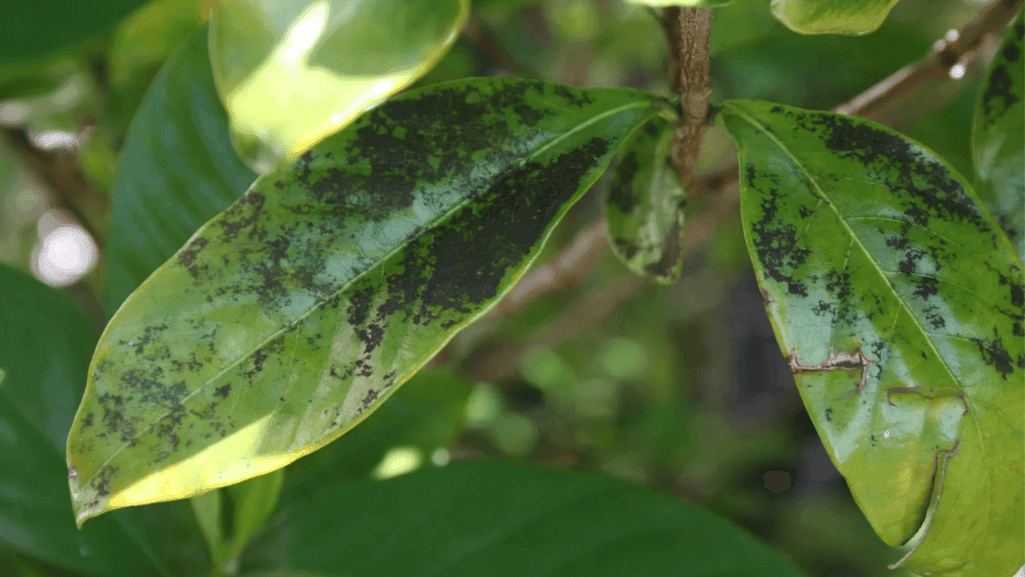
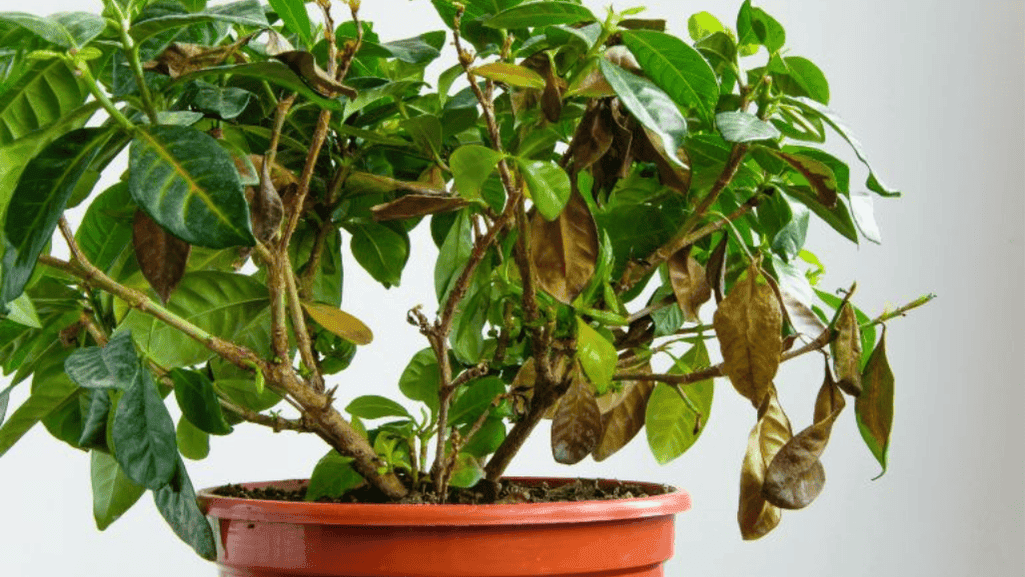
Gardenias are loved for their green leaves and sweet scent. But, when their leaves turn black, it’s a worry. Black spots or yellow leaves mean your plant needs help.
Many things can cause this problem. In South Carolina, Phytophthora often causes root rots. Powdery mildew shows up in summer, getting worse in late summer. Stem canker, caused by Phomopsis gardeniae, can also harm leaves.
It’s important to find out why your gardenia is sick. Too much water, bad soil, and cold nights can hurt leaves. Pests like thrips, aphids, and nematodes can also stress the plant.
Don’t give up on your gardenia. With the right care, it can get better. We’ll look at why this happens, how to spot it, and how to fix it. Your gardenia can bloom beautifully again.
Gardenia fans often worry when their plants get black leaves. This can mean many things, like bad weather, pests, or diseases. Knowing why your gardenias have black leaves is key to fixing the problem.
Many things can make gardenia leaves turn black. Not enough water is a big one, leading to discoloration and black leaves. Too much water can also harm, causing root rot and making it hard for the plant to get nutrients.
Lack of iron and magnesium can also show up as black or yellow leaves. Check if your gardenia is getting enough of these important nutrients.
How you care for your gardenias matters a lot. Bad drainage, not enough light, and extreme weather can hurt your plants. Gardenias do best in well-draining soil with the right amount of water.
They also need plenty of sunlight, about 4 to 6 hours a day. This keeps their leaves a healthy green.
“Proper care and attention to environmental factors can go a long way in preventing black leaves on gardenias.”
Pests and diseases can really harm gardenias, causing black leaves. Aphids, whiteflies, and spider mites suck the sap, leading to sooty mold. To fight these, use neem oil every week for a month. This targets the larvae hiding on the underside of leaves.
Diseases like root rots, powdery mildew, and stem cankers can also cause black leaves. Fungal diseases are the main reason for black spots on Gardenia volkensii. Bacterial infections like bacterial leaf spot are less common but just as harmful. To fight these, prune well, keep things clean, and use fungicides and bactericides wisely.
Black leaves are a clear sign of trouble for gardenia plants. But, there are other symptoms to watch for too. By keeping an eye on your gardenias, you can catch problems early. This helps restore their health and beauty.
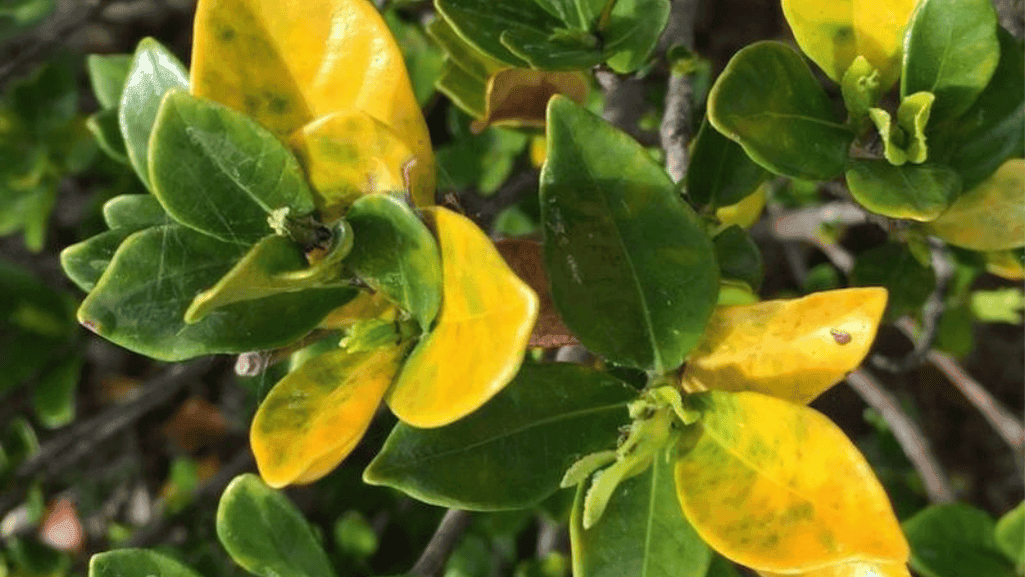
Gardenias may show other leaf symptoms beyond black leaves. Yellowing gardenia leaves often mean a lack of nutrients, like nitrogen or iron. Leaves that dry out and look like potato chips might be underwatered.
On the other hand, too much water can cause root rot. This makes leaves wilt and drop. If you see a lot of gardenia leaf drop, it’s time to check further.
Pests can harm your gardenia plants in many ways. Spider mites, scale, and mealybugs are common pests. They can make leaves yellow, have stippling, or even show sooty mold on gardenia leaves.
Look for signs of pests like webbing, sticky residue, or bumps on leaves or stems. Regular checks can help catch these problems early.
“An ounce of prevention is worth a pound of cure.” – Benjamin Franklin
Diseases can also harm your gardenia plants. Powdery mildew shows up as white, powdery patches on leaves. Stem cankers cause wilting, discoloration, and branch dieback.
Root rot, from too much water or poor drainage, can weaken the plant. Watch for unusual spots, lesions, or growth problems on your gardenias.
Knowing these symptoms helps you spot and fix problems with your gardenia plants. Regular care and quick action can keep them healthy and beautiful. Learning about Caladiums and their needs can also help you care for your gardenias better.
Keeping your gardenia healthy means knowing about environmental factors. Light, soil quality, and how you water it all matter. These things can affect your gardenia’s leaves, causing black spots or color changes.
Gardenias need the right amount of light to grow well. Too little light can make leaves turn yellow and weak. Too much direct sun can burn the leaves. Give your gardenia bright, indirect light for the best growth.
The perfect temperature for Veitchii Gardenias is between 65°F to 75°F. Staying within this range helps avoid black spots from cold or heat stress.
Good drainage in the soil is vital for your gardenia. Bad drainage can cause root rot and black spots on leaves. Plant your gardenia in a potting mix or soil with organic matter to help drainage.
Check the soil moisture often. Adjust your watering to avoid over or underwatering. This helps prevent stress and leaf color changes.
Watering your gardenia right is important to keep leaves looking good. Too much water can cause yellow or black leaves from root rot. Not enough water can make leaves brown and fall off, mainly on the lower parts.
To avoid these problems, let the top inch of soil dry before watering. Water at the base of the plant to keep leaves dry. Keeping humidity between 50-70% also helps prevent fungal infections and leaf issues.
“A gardenia’s beauty lies in its lush, green foliage. By providing the right environmental conditions, you can ensure that your gardenia thrives and maintains its stunning appearance.”
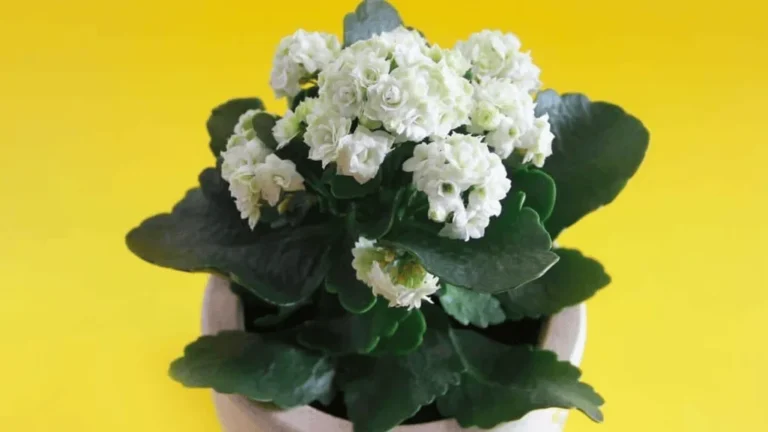
Gardenia plants are loved for their lush green leaves and sweet white flowers. But, they can get pests like aphids, whiteflies, and spider mites. These pests can make your gardenias look bad by causing black leaves and stunted growth.
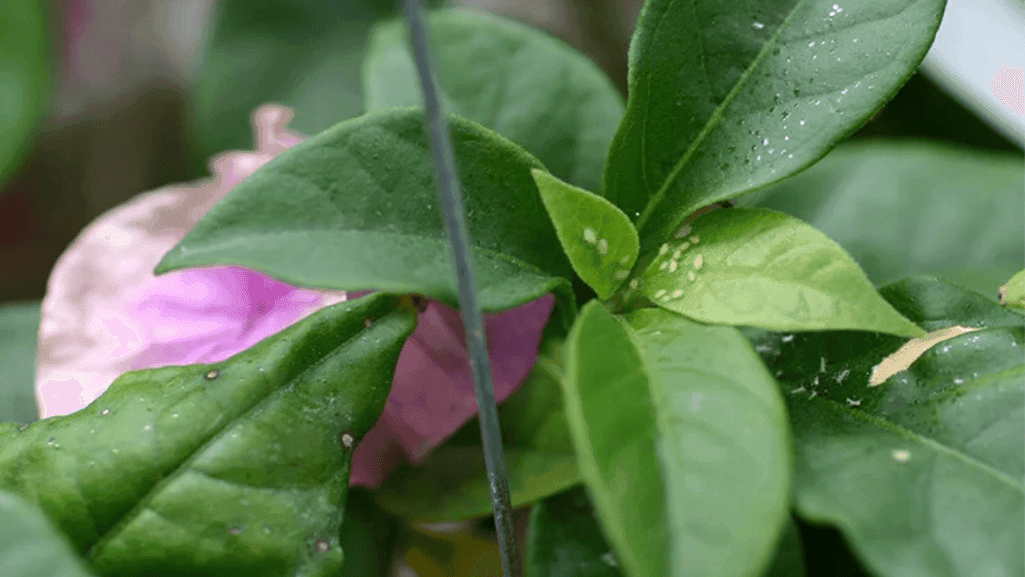
To fight pests, you need to know who’s attacking your gardenias. Aphids are a big problem, clustering on leaves and new growth. They suck plant sap, causing weird growth and less fruit. Whiteflies, like the citrus kind, are also a big threat. They lay lots of eggs and can spread fast. Spider mites spin webs and eat plant cells, though they’re less common.
“Constant diligence is required to keep gardenia pest problems in check.”
After spotting pests, it’s time to act. You might need to prune, use insecticides, or try horticultural oils. Spray your gardenias when you see aphids or whiteflies in the spring. Also, encourage good bugs like ladybird beetles and Braconid wasps to fight pests naturally.
Keeping your gardenia healthy starts with prevention. Make sure plants are far apart and keep things clean. Check your gardenias often for signs of pests, like weird growth or sooty mold. This disease comes from pests like aphids on gardenia. Stay alert and use preventive steps to keep your gardenias looking great.
Seeing black spots on your gardenia leaves can worry you. But, there are many ways to fix it. Black spots start small and can grow if not treated. Fungi like sooty mold cause these spots and love damp, quiet places.
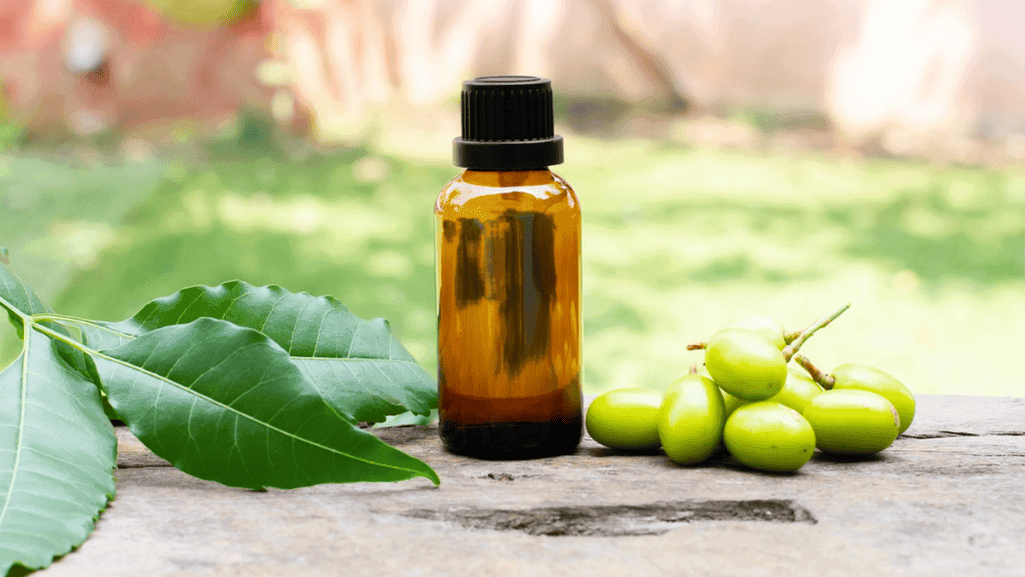
For small pest problems, try neem oil or insecticidal soap. These are safe for good bugs and can control pests. Keeping your gardenia healthy means regular checks, right watering, and good light and soil.
For big problems, you might need chemicals. Copper fungicides work early on, and tebuconazole for serious cases. Always read the label and think about good bugs. Make sure to cover all leaves with fungicides.
Pruning is key to stop disease and get rid of bad leaves. Here’s how to do it right:
Use natural fixes, chemicals when needed, and smart pruning to fix black leaves on your Gardenia jasminoides. Fixing the problem, like controlling bugs and keeping conditions right, is key to keeping your gardenia healthy.
To keep your gardenia plant healthy and vibrant, it’s essential to provide the ideal growing conditions. Gardenias are easy to grow but need specific care to thrive. They prefer well-draining soil with a pH between 5.0 and 6.5. This acidity level helps them access essential nutrients for healthy growth.
Planting gardenias in partial shade is optimal for their development. This ensures they receive filtered light.
Gardenias need about one inch of water per week to maintain adequate moisture levels. Overwatering can lead to root rot, causing yellowing leaves in the lower section of the shrub. On the other hand, underwatering can cause leaves to turn yellow and fall off, impacting the plant’s health.
Ensure the soil is well-draining to prevent water from stagnating around the roots.
Proper gardenia fertilization is key for maintaining healthy plants. Feed your gardenias with a balanced, acidic fertilizer during the spring and summer growing seasons. This provides essential nutrients like iron, copper, nitrogen, phosphorus, and potassium.
An organic dry fertilizer is a suitable alternative to prevent overfertilization and damage. Fresh coffee grounds can also serve as a good acidic fertilizer for gardenias. Used coffee grounds mainly act as a nitrogen source.
To build resilience against future problems, regularly monitor your gardenias for signs of nutrient deficiencies. Yellowing leaves can indicate a lack of iron, nitrogen, or magnesium. Rapid changes in weather can also cause yellowing leaves, so be prepared to adjust your care routine.
By providing the right growing conditions, practicing proper gardenia care tips, and addressing issues promptly, you can ensure your gardenia plant remains healthy and vibrant for years to come.