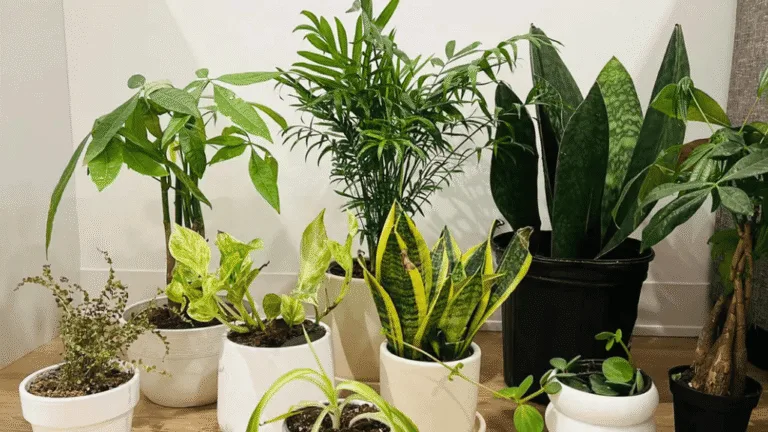
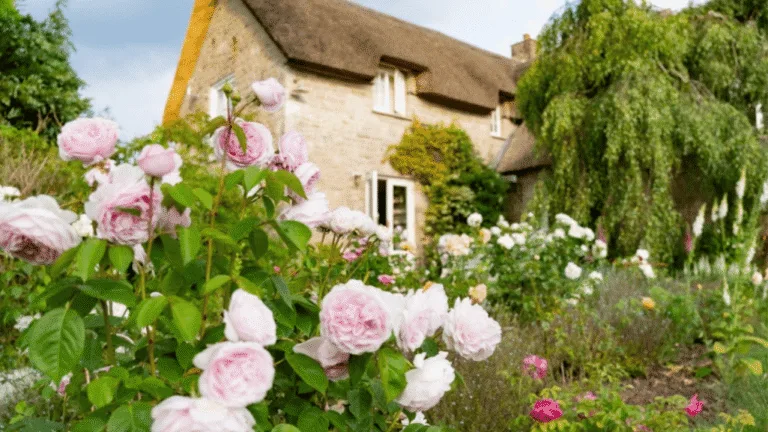
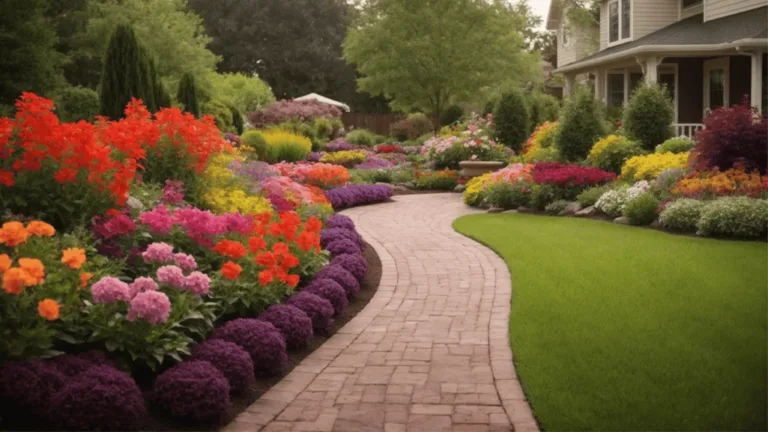
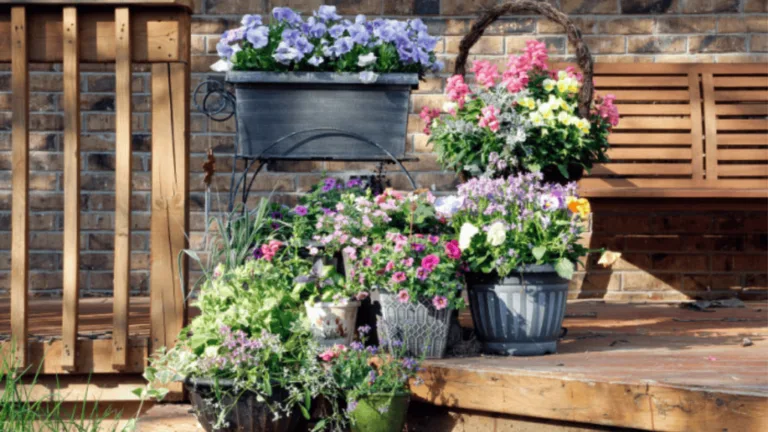
Beautiful flowers gardenia Plants For Your homes
Beautiful flowers gardenia Plants For Your homes

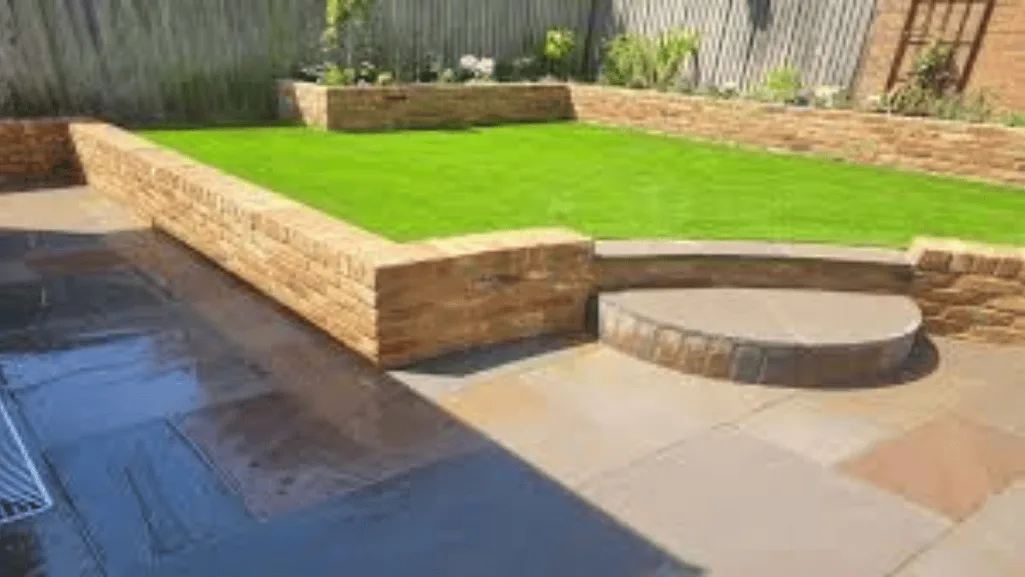
Garden Wall Ideas Thoughtful wall design can change how your outdoor space looks and works. A well-placed wall adds privacy, reduces noise, holds soil on slopes, and defines boundaries without feeling heavy.
Landscape architect Renée Byers suggests tying the wall into your home’s architecture and nearby stonework. Matching materials across stone, paving, and furniture creates a seamless palette that feels like it belongs.
Options range from living green screens to sturdy retaining solutions and decorative backdrops. Each approach solves a site challenge while adding style.
Think about context: your house style, existing masonry, and views. Consider materials—brick, stone, concrete, wood, or mixed media—based on climate, budget, and care needs.
Small additions like built-in seating, planters, lighting, or water features boost function without bulk. Proportion, drainage, and structure matter for lasting performance.
A living installation can turn a blank exterior into a lush, breathing tapestry that cools and softens hard surfaces.
Define the approach: Living walls are vertical planting systems that convert flat planes into living art. They improve microclimate, add visual softness, and act as a practical design solution for tight outdoor areas.
Amelia B. Lima’s 40‑foot project mixes soil‑less epiphytes and moisture‑loving species—Aechmea, Philodendron, Alocasia, Begonia, Tradescantia, and Adiantum—for a “technicolor tapestry.”
“A base tank recirculates runoff multiple times daily, with soluble fertilizer added to keep dense planting vigorous.”
Irrigation wise, pair drip or gravity feed with a reservoir and automated recirculation. Add moisture sensors, overflow protection, and simple maintenance protocols to reduce the main risk: pump failure that lets plants desiccate.
Maintenance: Prune for airflow, monitor nutrients, and inspect fixings and waterproofing so the system and the supporting wall stay healthy.
Turning slope into function starts with a retaining wall that both performs and looks intentional. Properly engineered retaining walls create terraces that become dining areas, play zones, planting beds, and clear circulation paths.
Integrating steps and seating within the wall line unifies grade transitions. Broad steps keep riser and tread ratios comfortable, while tiered seating ledges at 18–22 inches serve as casual perches with durable stone caps that stay cool in sun.
Pro tip: Integrate step and wall lighting during construction and use larger stones strategically on stone-faced runs. Always consult a qualified contractor or engineer for code, surcharge loads, and permit thresholds before building tall retaining structures.
Small courtyards can feel bright and generous with a few deliberate surface and planting choices.
Start with light paint finishes to bounce scarce daylight around a compact patio. Pale tones and soft neutrals make narrow corners read larger and keep the area calm.
Reflective touches help, too. Place an outdoor-rated mirror to return sky or greenery and extend sightlines. Use mirrors sparingly and angle them to avoid glare or bird collisions.
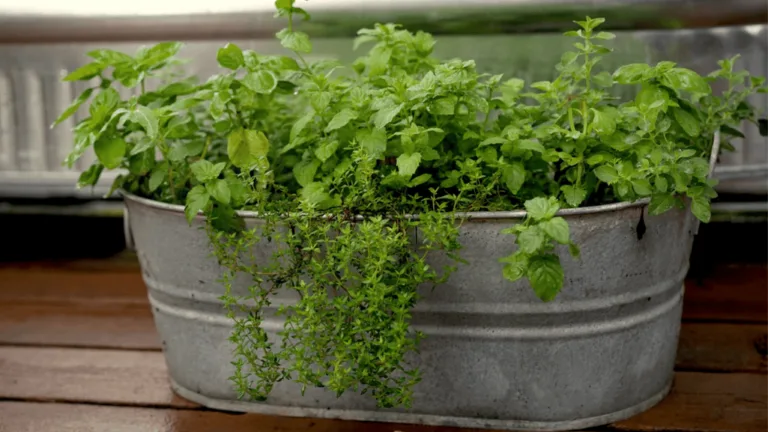
Add vertical planters and pocket systems where floor area is limited. Prioritize herbs near doors for quick access. Favor lightweight modular containers on older masonry to keep loads manageable.
Train espaliered fruit trees on slim supports to layer foliage and fruit without stealing circulation. Slim built-in benches with tiled tops save floor space and add character.
Layer texture—render, tile, and reclaimed stone—while keeping a restrained palette that repeats materials from the house. Conceal wiring for subtle sconces and step markers to make the space usable after dusk.
| Problem | Solution | Benefit |
|---|---|---|
| Low light | Light paint + mirror | Brighter, larger feel |
| Limited floor area | Vertical planters, espaliers | More planting without crowding |
| Cluttered seating | Slim built-in bench | Clear circulation; space for bistro set |
| Heavy masonry | Lightweight containers | Reduced load on older structures |
A run of exposed red brick makes a rich canvas for layered planting and seasonal color.
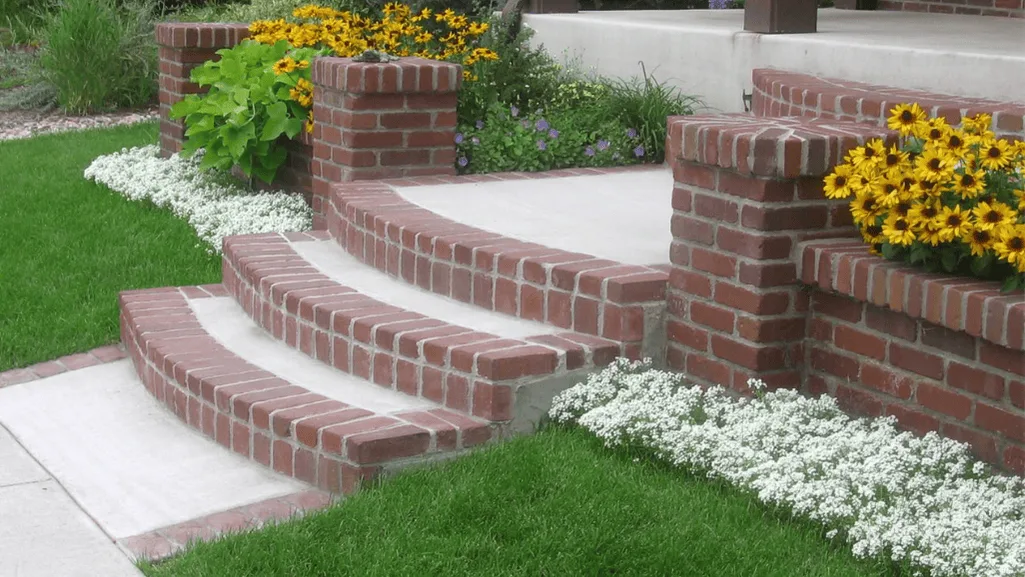
Position borders directly in front of a brick wall to create a living tapestry. Contrast leaf shapes and repeat small bursts of bloom so the surface reads lively instead of flat.
Use shade-adapted fern boxes on tall brick for fine texture and movement in dim urban spaces. RKLA and Blue in Green often specify these boxes to lift dark façades without heavy maintenance.
Nighttime up-lighting paints dramatic silhouettes and extends interest after dusk. Protect mortar and use breathable fixings so attachments don’t trap moisture.
Frame vignettes—a statement urn or small sculpture—so the brick reads as curated backdrop and not just structure. This simple design move keeps the surface compelling year-round.
From rugged, interlocked piles to precise mortared faces, stone choices shape both look and load capacity.
Dry stone relies on carefully fitted stones and natural drainage. It gives a lively texture and breathes water away from the core. Use larger anchor stones at the base and sides to lock the stack and add gravitas.
Mortared fieldstone can mimic that hand‑stacked look but usually needs a reinforced concrete footing sized to soil bearing and wall height. Include expansion joints where long runs may shift with freeze‑thaw cycles.
Recommendation: hire craftspersons trained in dry stone for freestanding features; reserve mortared assemblies for retaining conditions unless engineered. Match local stone to knit the build into its surrounding landscape and ensure long‑term performance.
Crisp white render transforms outdoor rooms into sunlit retreats that feel both modern and timeless. Use this finish to amplify light and let planting silhouettes read clearly against a clean plane.
Design moves that work: build raised terraces with integrated beds to stage white ‘Iceberg’ roses, jasmine, and lavender along steps. These drought-tolerant choices suit the resort-like color palette and low-water planting.
Keep it fresh: plan gentle power washing and touch-up coatings as routine maintenance. Offset bright planes with warm wood or Corten accents and add low integrated lighting to graze surfaces at night for texture and depth.
Mounting edible trays turns a narrow exterior into a productive, kitchen-ready surface. Beth Mullins’ approach uses plastic flower bed trays inset into metal-lined carriers with drainage outlets that exit behind the fence. This keeps soil off the surface and routes water away from the house.
Place planters near doors for easy harvest. Install modular herb boxes with built-in drainage and stand-off brackets so moisture never sits against the masonry.
Use trellis extensions or pleached trees to gain screening without adding heavy mass. Pleached hornbeam holds leaves into winter, offering partial privacy and structure above mid-height walls.
“A fence-on-wall combo often meets height limits while delivering the screening a small yard needs.”
A well-placed fountain or panel transforms an exterior surface into a sensory centerpiece for outdoor rooms.
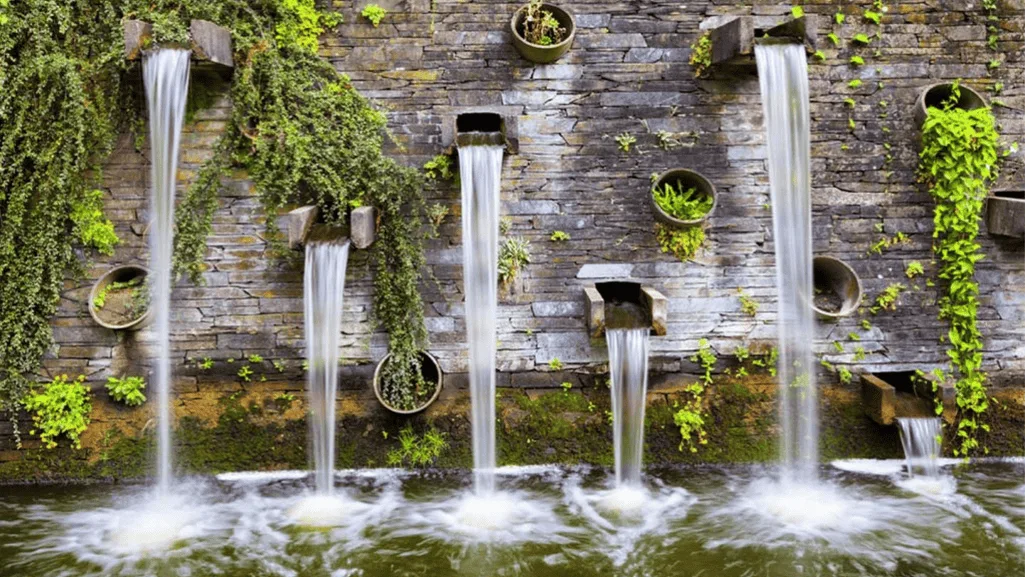
Limestone fountains can screen an unwanted view and create a calm focal point. Landscape designer Patrick Zaremba used a stone fountain in the Detroit suburbs to conceal a neighbor’s property while adding ambient sound.
Sculptural bronze panels offer a different approach. A verdigris finish reads like public art and softens noise as water flows over textured metal.
“Adjust falls and textures to tune sound levels so conversation stays pleasant.”
Tip: light the feature at night with submersible LEDs or grazing fixtures and frame it with layered planting to boost depth and season-long interest on the property.
A thoughtful edge can turn a patio’s perimeter into useful seating and a working kitchen area. Use these edges to define the outdoor room while adding places to sit, cook, and store essentials.
Size seating at about 18–22 inches high with a comfortable cap so people can perch casually without standing. Granite or honed bluestone caps give a smooth, stain‑resistant work surface that cleans easily after food prep.
Integrate cook zones by embedding a grill into a masonry run with noncombustible surrounds and proper venting. Conceal gas lines and canisters inside accessible cabinetry for a tidy look and safe access.
“I embedded a grill into a retaining run with concealed cabinetry and honed bluestone counters on both sides,” said landscape architect Renée Byers.
Tip: plan heat clearances, use concrete footings where required, and match materials to the house so the feature reads like part of the property, not an afterthought.
A fresh coat of exterior paint and a few smart material swaps can transform an ordinary perimeter into a budget-savvy focal point.
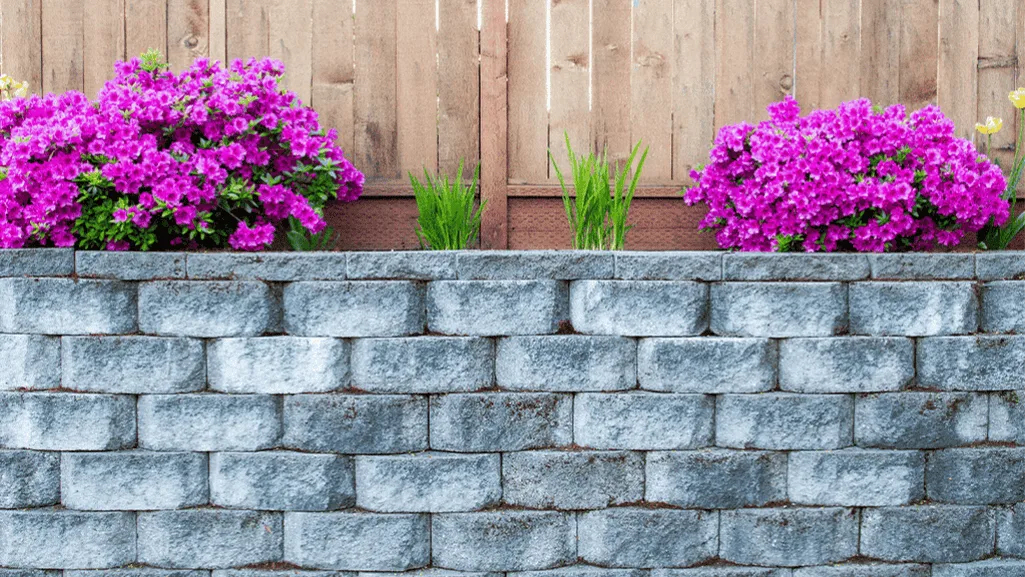
Use color to refresh tired surfaces. Deep hues create drama and make foliage pop. Lighter tones expand compact spots and bounce more light.
Gabions are a practical, DIY-friendly way to add texture and drainage without high labor costs. They work well as retaining runs or cladding over short cores.
| Finish | Cost | Durability |
|---|---|---|
| Exterior paint (feature color) | Low | 3–7 years; easy repaint |
| Gabions | Medium-low | High; low maintenance |
| Concrete block + face | Low-medium | High with proper base |
| Mixed materials (stone + wood) | Medium | Varies; plan for maintenance |
Tip: prioritize base prep and attachments—safety beats savings. For more inexpensive retaining options and practical builds, see inexpensive retaining options.
Reclaimed materials bring depth and story to any outdoor structure, mixing age and purpose.
Potager Garden in Cornwall reused felled conifer trunks as a log wall set on a brick foundation to keep timber off the ground and extend life to about 15–20 years. They added small glass inserts to frame views and admit light.
Practical moves make this approach last. Elevate reused logs on brick or stone footings, fit soil‑separation membranes, and add discreet steel anchors for stability without losing the organic look.
Tip: source locally to cut transport impacts and echo the site’s geology. For budget-friendly plant and layout cues, see cheap front-yard landscaping tips.
Hard surfaces can feel abrupt; softening them with living layers creates a gentler, more private yard.
Fast-cover climbers green blank faces quickly. Choose Hedera helix (English ivy) for year-round cover and Parthenocissus tricuspidata (Boston ivy) for showy fall color.
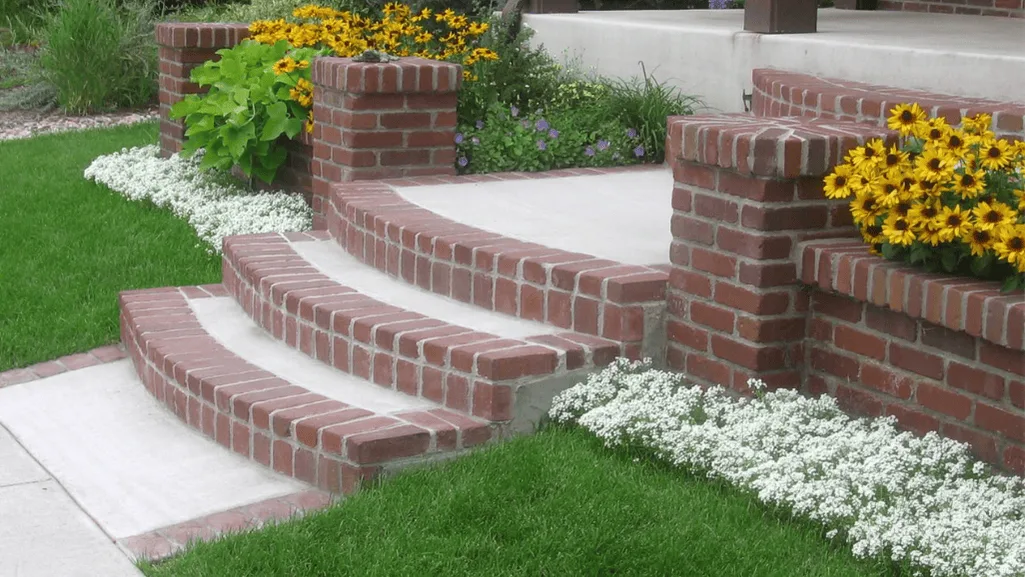
Climbing hydrangea and Schizophragma thrive on brick and shaded exteriors. They cling without heavy fixings and add summer blooms.
Top mounted fence panels—picket, woven, or lattice—add height while keeping wind load low. Layer a low masonry base with hedges or pleached rows behind for depth and acoustic damping.
Good lighting makes steps and seating areas safe while adding dramatic interest after dusk. Plan fixtures during construction so wiring and housings stay hidden inside the wall assembly for a clean finish.
Use low‑glare step lights and recessed uplights on curved retaining runs to improve circulation and keep sightlines calm. Integrated lights in seating‑height walls create a warm, inviting area for evening use.
Texture matters. Grazing fixtures bring out stone and render relief and make surfaces read richer at night. Balance task layers (path markers, step lights) with ambient washes and a few accent spots for art or water features.
| Goal | Fixture Type | Key Benefit |
|---|---|---|
| Step safety | Recessed step lights | Low glare, clear circulation |
| Surface drama | Wall graze lights | Highlights texture and relief |
| Task & ambience | Washers + accent spots | Layered light for function and mood |
| Energy control | Smart timers & dimmers | Efficiency and convenience |
Maintenance tip: leave access panels for lamp replacement and cleaning, and use shields or trim to keep fixtures clear where foliage will grow. A well‑planned scheme keeps the area safe, attractive, and easy to service.
On sloped properties, measured curves make movement feel natural and calm. Use flowing alignments to guide circulation, break the grade into usable levels, and create planting pockets that read softer than straight runs.
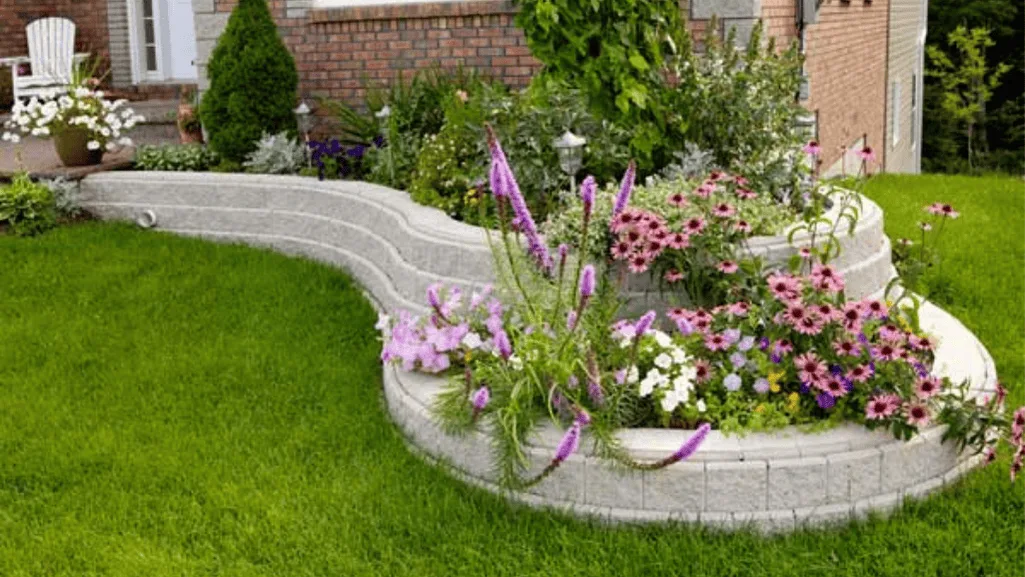
Place curved retaining walls on either side of steps to frame a route and open the yard as you descend. Curves reduce visual mass and create small terraces for seating or planting.
Structure: give taller runs a strong concrete base and a stone facing to tie the work into the landscape. Add recessed lighting to steps and curves for safe, sculptural night scenes.
Integrate “clairvoyee” view windows to frame distant features and create wayfinding moments. Terrace the slope with comfortable step sequences and landings for rest and perspective.
Plant cascaders on tier edges to veil faces and link levels visually. Coordinate drainage across tiers and vary heights and offsets to preserve long views and protect lower structures.
A fresh coat in a considered hue can turn plain brick or poured concrete into a stage for foliage and seasonal blooms.
Prime and paint masonry with an exterior system to create contrast that makes leaves and flowers pop. Use darker tones low and lighter tones above to visually lift tall runs.
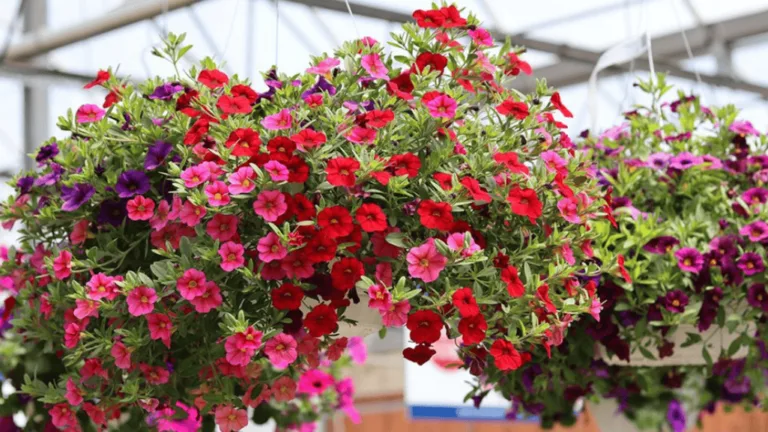
Expand planting surfaces with mounted troughs, pouches, and hanging baskets. Fit moisture barriers and strong brackets so fixings don’t stain or damage the substrate.
| Action | Material | Benefit |
|---|---|---|
| Paint masonry | Exterior primer + color coat | High contrast; highlights foliage and blooms |
| Mount planters | Metal brackets + moisture barrier | More planting area; protects surface |
| Add climbers | Trellis or wire system | Layered texture; seasonal flowers |
| Install drip | Hidden tubing behind planters | Even watering; tidy look |
Tip: pick plants by exposure—drought‑tolerant choices for hot south/west faces and shade lovers for north/east—to keep maintenance simple and results reliable.
Finish with a clear plan that balances structure, planting, and service runs so the result looks effortless and lasts.
Good garden wall ideas span living screens, crisp white render, rustic stone, and reclaimed timber. Pick approaches that suit your landscape and the style of your house.
Build smart: prioritize footings, drainage, and wind loads. Add steps, seating, and storage to make walls truly functional.
Use planting and lighting to soften mass, add seasonal color, and support biodiversity. Budget finishes—paint, gabions, or concrete cores—stretch investment without losing design intent.
Start small: pick one courtyard, slope, or patio edge as a first project. The right wall, well designed and planted, will lift daily life and property value in lasting ways.