Beautiful flowers gardenia Plants For Your homes
Beautiful flowers gardenia Plants For Your homes

Ready to add productive, attractive crops to your outdoor or balcony space? This guide highlights proven picks that reward steady care with real yields and clear timelines to harvest. Expect fast bearers like passion fruit and pineapple, mid-term stars such as mango and fig, and longer-developing options like lychee and soursop.
Containers extend what you can grow by letting you tune soil, move specimens indoors, and use compact varieties where square footage is tight. Choose acidic mixes for blueberries, well-drained loam for avocados, and right-sized pots for dwarf types like ‘Little Miss Figgy’ and ‘Pix Zee’ peach. Match care basics — steady water, organic mulch, and proper pruning — to the crop to keep size manageable and yields consistent.
For a quick start and cultivar ideas, see this concise list of essentials and timelines at essential picks for backyard success.
Growing edibles yields fresher produce, cuts food miles, and lets cooks pick peak ripeness. Containers widen choices by letting you tune soil pH and move sensitive stock during cold snaps. This extends what gardeners can try beyond standard hardiness limits.
In warm U.S. regions, backyard trees like mango, avocado, guava, and fig thrive in full sun with well-drained soil, steady irrigation, and targeted fertilization. Such specimens reward steady care with reliable growth and tasty returns within a few seasons.
“Small spaces can deliver big yields when you match varieties to space and climate.”
Plan around family favorites and simple pollination strategies to boost set without adding square footage. Small, steady steps build confidence and long-term success.
Select compact trees and vines that suit your climate and daily sun to maximize output in tight spots. This section groups reliable choices by scale and effort so you can match varieties to your space and schedule.

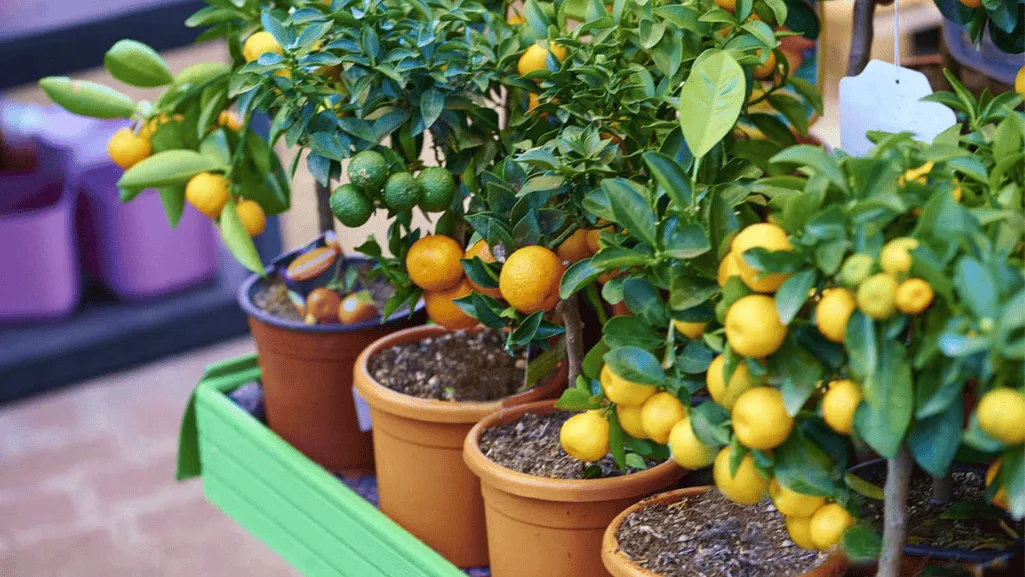
Strawberries thrive in hanging pots. Dwarf fig ‘Little Miss Figgy’ offers breba and main crops in one pot. Blueberries do best in peat-heavy, acidic soil (pH 4.5–5.2). Meyer lemon and pineapple are patio-friendly; pineapple fruits in about 18–24 months. ‘Pix Zee’ peach grows well in 25-gallon containers.
Mango, avocado, guava, lychee, fig, banana, and soursop prefer full sun and well-drained soil. Expect timelines of roughly 1–5 years to first harvest: passion vines fruit in ~1–2 years; many figs and mangoes in ~2–3 years; lychee and soursop need ~3–5 years.
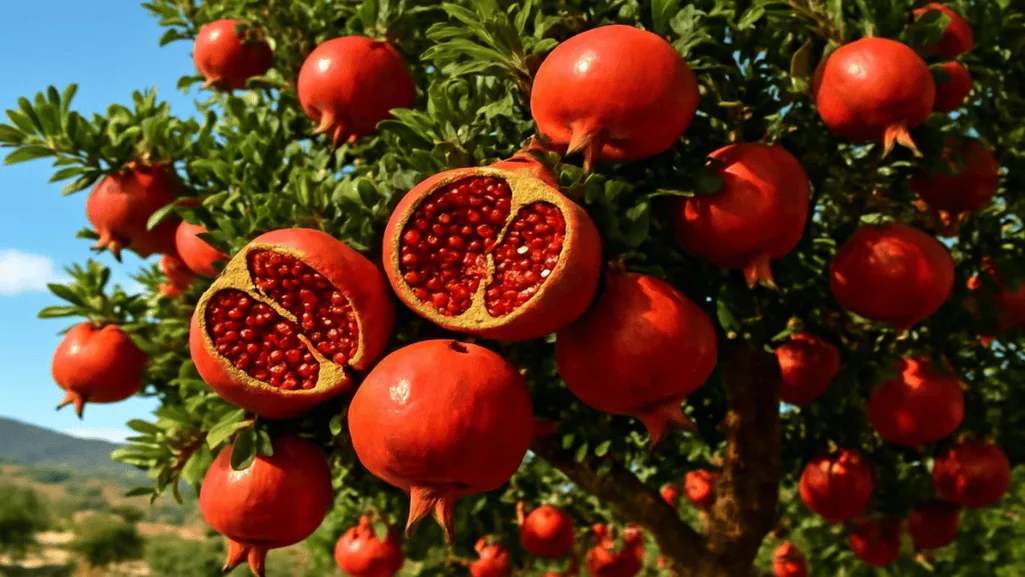
Blueberries, figs, pomegranates, persimmons, muscadines, blackberries, and jujube require minimal pruning and low pest attention. Mix blueberry varieties to boost yields. Use light mid-winter hedging on berries and simple seasonal hedging on pomegranates.
Right-sized pots and smart placement unlock steady harvests from modest outdoor spots. Choose containers that match root volume and use soil mixes tuned to each species.
Strawberries excel in hanging baskets or urn pots. Snip early runners so crowns put energy into bigger yields.
Little Miss Figgy stays compact (4–8 ft) and gives both breba and main crops. It suits patio pots and adds bold foliage.
Blueberries need a 50/50 peat-to-potting mix at pH 4.5–5.2. Pre-wet peat, keep moisture steady, and use acidic media to avoid nutrient lockup.
“Place containers on rollers, monitor media pH, and refresh mulch to keep moisture steady and reduce stress during hot months.”
Warm-climate trees that thrive in full sun deliver big yields and predictable timelines when matched to space and soil. Pick sunny sites with well-drained media and give trees room to spread roots and canopy.
Mango: Thrives in full sun and loose, well-drained soil. With steady irrigation and feeding, expect first harvests in about 2–3 years and high per-season yields when managed well.
Avocado: Plant in loamy soil and pair complementary varieties to boost pollination. Most trees begin producing in 3–4 years in warm climates.
Guava: Suited to sunny, well-aerated spots and containers. It fruits in roughly 2–4 years with routine watering and light pruning.
Lychee: Needs acidic soil and careful fall fertilizer timing; avoid late-season feeding on older trees. Expect 3–5 years to maturity.
Fig: Plant in late winter or early spring. Regular watering and organic feeding give reliable yields in about 2–3 years.
Banana: Full sun, steady watering, and 2–6 inches of mulch produce 30–50 lb per plant each season.
Soursop: Keep soil well-drained and watering steady; with attentive care, trees fruit in roughly 3–5 years.
“Prioritize sun, soil, and seasonal timing to help each variety reach peak production.”
Busy gardeners can still harvest well by using hardy, low-maintenance selections that need only basic care. These types suit small plots and containers and reward light seasonal attention with steady yields.

Sun and acidic soil make a big difference. Aim for pH near 4.5, plant multiple varieties to boost fruiting, and hedge lightly in mid-winter to keep shape.
Tolerant and largely self-reliant, figs need minimal pruning and a heavy mulch to hold moisture. Thin only crowded branches to avoid dense, low-yield growth.
These shrubs are self-fruitful. Cut back to half height in the first two winters to build a strong framework, then remove low and dead wood in later seasons.
Long-lived and ornamental, persimmons prefer full sun and pH around 6.0–6.5. Remove crossing branches to improve light and airflow in the canopy.
Muscadines thrive on an arbor or trellis and ripen into late summer and fall. Train vines in year one and prune each winter to set fruiting spurs.
Blackberries produce 1–2 gallons per plant with basic cane management. Remove spent canes and tip new shoots at 48–60 inches to encourage branching.
Tough and drought-tolerant, jujube suits many soil types. Expect crisp, apple-like fruit that ripens in fall; some varieties have thorns.
“Pick forgiving types and you spend more time harvesting than troubleshooting.”
Start by choosing a sunny site and checking spacing so each specimen gets enough light and air. Proper placement reduces shade and speeds growth and fruiting.
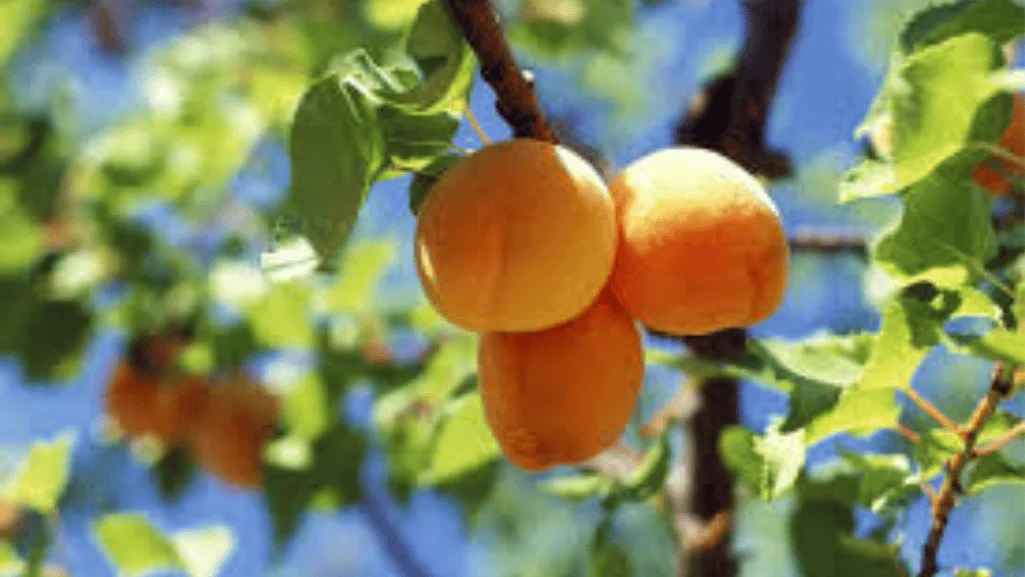
Prioritize full sun and leave room for canopy spread. Small trees need extra clearance to avoid shading smaller beds.
Match media to needs: use peat-forward, acidic mixes at pH 4.5–5.2 for blueberries. Choose loose, well-drained loam for avocado and fig to prevent root stress.
Keep moisture steady, especially in containers. Organic mulch (2–6 inches) stabilizes temperature, reduces evaporation, and feeds soil life.
Hedge blueberries lightly in winter and thin fig branches to open the canopy. Train muscadines and passion vines on sturdy trellises.
Expect vines to fruit within months to a couple years; most trees need 2–5 years. Plant figs in late winter or early spring to establish before heat arrives.
“Protect pots in cold snaps and use moisture barriers when shipping or moving media to preserve root conditions.”
Combine fast, container-ready varieties with longer-lived trees to stretch harvests across months and years. This mix gives quick returns while you wait on larger specimens to mature.
Pick compact plants and move containers to chase sun or shelter them in winter. Stagger plantings so some crops appear in months and others in 2–5 years.
Match each plant’s needs: sun exposure, watering, and light pruning. Use trellises and staking to shape growth and improve airflow.
Keep care simple: mulch, measured feeding, and a few trusted varieties. Track results, swap poor performers, and enjoy steady yields in your home plots.