Beautiful flowers gardenia Plants For Your homes
 Skip to content
Beautiful flowers gardenia Plants For Your homes

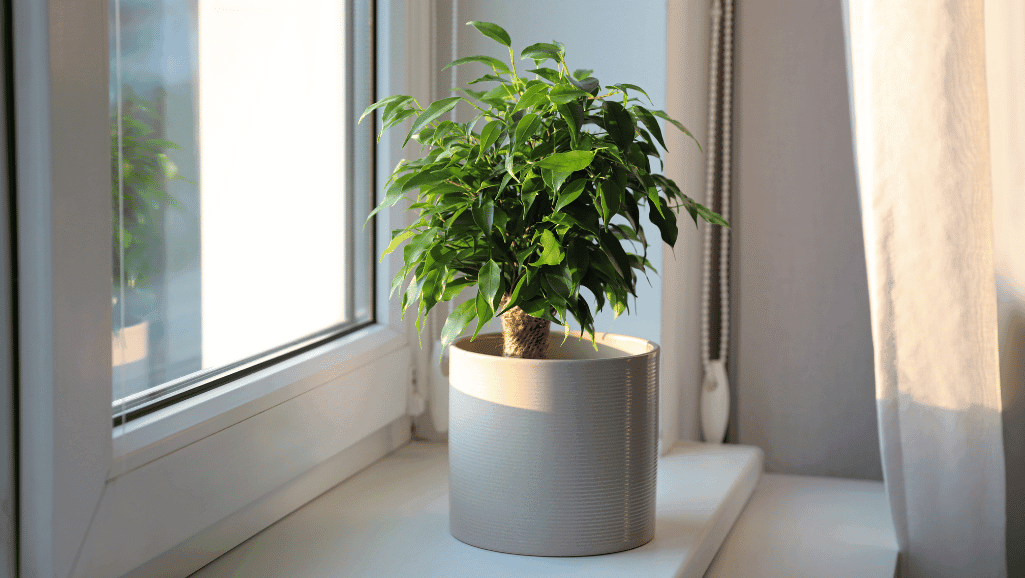
The Ficus benjamina, also known as the weeping fig or benjamin ficus, is a popular houseplant. It’s loved for its beauty and its ability to clean the air. This tree, from Asia and Australia, can grow up to 60 feet tall. But, it’s usually kept shorter, between 3-6 feet, when inside.
Its shiny, green leaves and drooping branches make the weeping fig elegant. It makes any room look better and cleans the air by removing pollutants like formaldehyde and benzene.
Even though it’s beautiful and useful, taking care of a Ficus benjamina can be tricky. But, with the right care, you can have a thriving weeping fig plant. It will make your home happy for many years.
The weeping fig, known as Ficus benjamina, is a popular tropical houseplant. It brings elegance to any indoor space. This ficus tree is not just pretty but also purifies the air and creates a calm atmosphere.
Ficus benjamina comes from the tropical parts of South and Southeast Asia. Countries like India, Malaysia, and the Philippines are its home. In the wild, this tree can grow up to 30 meters tall, with aerial roots supporting its large canopy.
It loves warm, humid places and is considered stable in the wild by the IUCN.
Even though it can grow big in nature, Ficus benjamina is a hit as a houseplant. Indoors, it stays around 2 to 3 meters tall, fitting well in homes and offices. Its shiny leaves add a lush, tropical look to any room.
| Characteristic | Description |
|---|---|
| Height (in natural habitat) | Up to 30 m (98 feet) |
| Height (as a houseplant) | 2 to 3 m (6 to 10 feet) |
| Leaf size | 6–13 cm long, 2 to 6 cm wide |
| Growth rate | Fast |
| Air purification | Removes gaseous formaldehyde |
The weeping fig is not just pretty; it also cleans indoor air by removing formaldehyde. Its quick growth and ability to adapt to different light make it a favorite among plant lovers.

To make sure your Ficus benjamina grows well, you need to give it the right conditions. These plants love the warm, sunny places they come from. They need the right amount of light, soil, temperature, and humidity. By giving them what they need, your ficus tree will stay healthy and beautiful all year.
Whether you’re an expert or just starting, knowing how to care for your Ficus benjamina is important. It helps your plant live a long, happy life. Learn how to make your weeping fig look great by reading about the best conditions for tropical plants here.
Ficus benjamina loves bright, indirect light. It’s perfect for places with lots of natural light. They can take different light levels but do best with at least 6 hours of bright light a day.
Don’t put your ficus in direct sunlight because it can burn the leaves. Choose a spot near a window that gets plenty of light but is not too harsh. If your ficus is reaching for the light or looks sparse, it might need more light.
Try moving it to a brighter spot or add grow lights to help it get enough light. This will keep your ficus happy and healthy.
Good soil and drainage are key for your Ficus benjamina. These plants need soil that drains well to prevent waterlogged roots and root rot. A good soil mix has perlite, sand, and vermiculite for better drainage.
Also, make sure your pot has drainage holes. This lets water flow out of the soil and prevents water from building up. When you’re potting your ficus, use a mix made for indoor plants or create your own with peat moss, perlite, and potting soil.
Ficus benjamina loves warm, humid places. They do best in temperatures between 60°F to 75°F (15°C to 24°C). They can handle some changes in temperature but not extreme cold or heat.
These plants also like high humidity, around 50-70%. You can use a humidifier or a tray with water and pebbles under the pot to keep the air moist. Misting the leaves now and then also helps keep the air around your plant humid, especially in dry places or during winter.
| Factor | Ideal Range | Tips |
|---|---|---|
| Light | Bright, indirect light (6+ hours/day) | Avoid direct sunlight; supplement with grow lights if needed |
| Soil | Well-draining potting mix | Use perlite, sand, or vermiculite for improved drainage |
| Temperature | 60°F to 75°F (15°C to 24°C) | Protect from cold drafts and extreme temperature fluctuations |
| Humidity | 50-70% | Use a humidifier, pebble tray, or mist leaves occasionally |
Give your Ficus benjamina the best conditions, and it will stay healthy and beautiful. Keep an eye on how your plant reacts to its environment and adjust as needed. With the right care, your weeping fig will be a beautiful part of your indoor garden.
Watering and fertilizing your Ficus benjamina is key to its health. Keep the soil consistently moist but not too wet. Let the top inch of soil dry out before watering again. Water your ficus when the top 2-3 inches of soil feel dry.
Ficus benjamina loves to eat and grows well with regular food. Feed your weeping fig a balanced, water-soluble fertilizer every month in spring and summer. In fall and winter, feed it once every two months. Always use a half-strength solution to prevent soil salt buildup and root damage.
| Season | Watering Frequency | Fertilizing Frequency |
|---|---|---|
| Spring and Summer | Once every 7 days | Monthly |
| Fall and Winter | Once every 14 days | Every 2 months |
Your weeping fig likes a humidity of 40% to 60%. Use a humidity tray or humidifier if your home is dry. The best temperature is 18 to 24 degrees Celsius (65 to 75°F) during the day.
Follow these watering and fertilizing tips for a healthy, vibrant Ficus benjamina. It will be a lovely addition to your home or office.

Pruning and shaping your ficus tree is key to keeping it healthy and looking great. These trees can grow big, so regular pruning helps control their size. It also encourages healthy growth and keeps them looking nice.
The best time to prune your ficus tree is in winter, when it’s dormant. Plants are less likely to get hurt during this time. Pruning a lot in winter helps reduce stress on the plant.
Using the right tools and techniques is crucial for pruning your ficus tree. Here are steps for effective pruning:
Rejuvenation pruning helps ficus plants grow well and stay compact. Indoors, ficus trees are pruned to stay 3-6 feet tall. Their trunks can also be braided for looks.
| Pruning Tip | Benefit |
|---|---|
| Prune during winter dormancy | Minimizes stress and injury to the plant |
| Cut before growth nodes | Encourages new growth and maintains proper branch formation |
| Remove dead branches and leaves | Prevents the spread of diseases or fungal infections |
| Limit pruning to 30% of the plant | Avoids weakening the ficus tree |
| Sanitize pruning tools | Prevents the spread of disease |
By following these tips, you can keep your ficus tree healthy and looking good indoors. Remember to water it a bit more in spring and summer, and less in winter. This helps it stay healthy and grow well.

Ficus benjamina, also known as the weeping fig, is a favorite houseplant. It’s easy to grow more of these plants through different methods. This is a great way to grow more plants or share them with others. You can use stem cuttings and air layering to propagate Ficus benjamina.
Stem cuttings are the top way to grow more Ficus benjamina. Here’s how to do it:
After planting your Ficus benjamina cutting, make sure it roots well. Keep the soil moist but not too wet. The temperature should be between 65-75°F (18-24°C). Aim for humidity levels of 50-70% to help roots grow.
Roots should start to show up in 2-4 weeks. If you used rooting hormone, it might be faster. Once roots are strong, slowly get the plant used to normal room conditions. Then, move it to a bigger pot if needed.
| Propagation Method | Time to Root | Difficulty Level |
|---|---|---|
| Stem Cuttings | 2-4 weeks | Easy |
| Air Layering | 3-4 months | Moderate |
| Water Propagation | 5-6 weeks | Easy |
Stem cuttings are the most common way to grow Ficus benjamina. But air layering works well for big plants or hard-to-root branches. It involves making a wound on a branch and covering it with something that holds moisture, so roots can grow before cutting it off. Water propagation is another simple method that lets you see roots forming in real-time.
No matter the method you pick, giving your plants the right care is key to success. With patience and practice, you can grow more of these beautiful plants. Enjoy these low-care houseplants for many years.
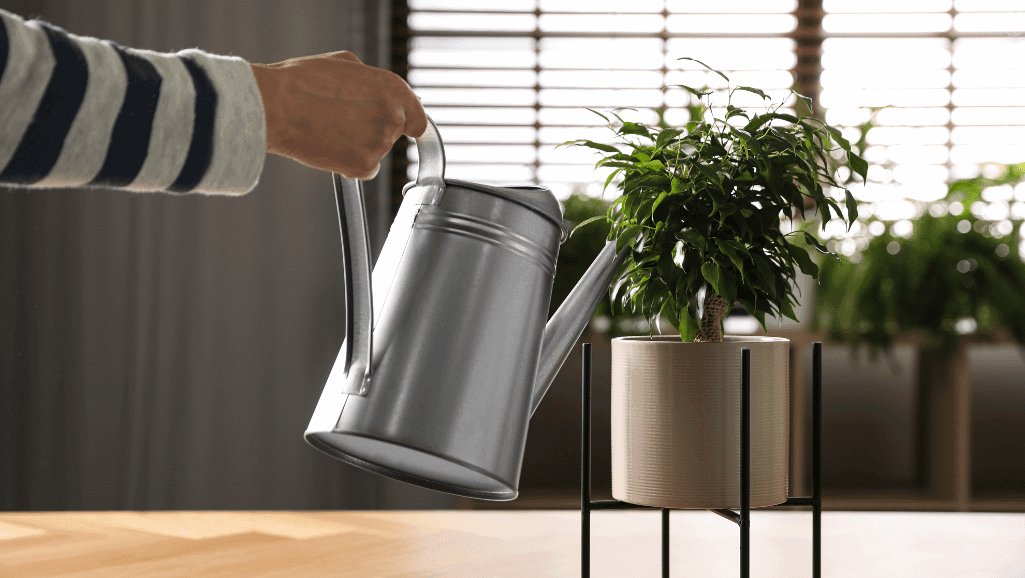
Ficus benjamina grows quickly and might need a new pot every year. The best time to repot is early spring, right before it starts growing more. This lets the plant get used to its new home and grow well.
When picking a new pot, choose one that’s 1-2 inches bigger than the old one. This gives the roots room to grow without getting too crowded. Make sure the pot has drainage holes to prevent water from gathering and causing root rot. Think about the pot’s material too, as it affects how the soil stays moist and the plant’s health.
| Pot Material | Characteristics |
|---|---|
| Terracotta | Breathable, aids in soil drying, prevents root suffocation |
| Plastic | Retains moisture longer, budget-friendly, lightweight |
| Ceramic (Glazed) | Retains moisture, stylish, must have drainage holes |
Use a well-draining soil mix when repotting your weeping fig. A good mix is one-third sand and two-thirds high-quality potting soil. This mix drains well and holds nutrients. Carefully move the plant to its new pot, fill it with the mix, and settle it in.
Water your Ficus benjamina well after repotting and put it in bright, indirect light. Don’t put it in direct sunlight, as it can harm the plant. Watch for signs of stress like droopy or yellow leaves. These could mean it’s getting too much water or has other problems. Check out WikiHow or Flowers Gardenia for help.
Water your weeping fig a bit more often in the first few weeks after repotting. But don’t overdo it, as too much water can cause root rot. Don’t feed the plant for about a month after repotting. This lets it settle before you start regular feeding again.
By following these steps and taking good care of your Ficus benjamina, it will grow well in its new pot. It will have healthy growth and beautiful leaves for many years.
Ficus benjamina is a popular houseplant but can face problems if not cared for right. Knowing these issues and how to fix them is key to keeping your weeping fig healthy and green.
Leaf drop is a big problem for Ficus benjamina owners. It can happen for many reasons, like moving the plant, repotting, watering issues, low light, or drafts. To stop leaf drop, make sure your weeping fig gets consistent care and a stable home. Move your plant slowly to new spots or lighting changes, and keep it away from drafty windows or air vents.
Too much water can cause root rot in Ficus benjamina plants. Look out for yellow leaves, wilting, and brown, soft roots. To avoid this, plant your weeping fig in soil that drains well and only water when the top inch of soil is dry. Change your watering based on the light, humidity, and temperature around your plant. If you think your plant has root rot, carefully take it out of its pot, cut off any bad roots, and put it in fresh, clean soil.
Ficus benjamina plants can get pests and diseases. Pests like spider mites, mealybugs, scale insects, and thrips can harm your plant, causing damage, stunted growth, and leaf drop. Check your plant often for pests, looking for webs, sticky stuff, or spots on leaves. If you find pests, move the plant away from others and treat it with insecticidal soap or natural pest control like neem oil or horticultural oils.
Diseases like crown gall can also hit weeping figs, causing weird growths on stems and roots. To lower disease risk, use clean, sterilized tools and don’t overwater or let the plant sit in water. If you think your plant has a disease, cut off any sick leaves or branches and might use a fungicide or bactericide, following the directions on the label.
By watching your plant closely and fixing problems fast, you can help your Ficus benjamina stay healthy and keep its beautiful green leaves. For more tips on dealing with ficus diseases and pests, check out this guide from Plants for All Seasons.
The classic weeping fig is well-known for its glossy green leaves. But, there are many other ficus varieties that offer unique colors, patterns, and textures. These varieties let plant lovers pick the perfect plant for their decor. From the ‘Starlight’ with its striking variegation to the dwarf banyan ficus, there’s a ficus for every taste and space.
The ‘Starlight’ ficus stands out with its pale green leaves and creamy white margins. This variety adds brightness and interest to any room. It can grow up to 6 feet tall and 4 feet wide indoors, becoming a striking focal point in bright spaces.
‘Danielle’ is a classic choice among ficus varieties. It has glossy, dark green leaves on arching branches, giving a traditional weeping fig look. ‘Danielle’ can reach 6 feet tall and 4 feet wide indoors, adding elegance to any room with medium to bright light.
| Variety | Foliage | Height | Width |
|---|---|---|---|
| Starlight | Pale green with creamy white margins | Up to 6 feet | Up to 4 feet |
| Danielle | Glossy, dark green, pointed leaves | Up to 6 feet | Up to 4 feet |
When picking a ficus variety, think about the space, light, and your style. With the right care, including watering, fertilizing, and pruning, these plants will be beautiful additions to your indoor plants.
The Ficus Benjamina, also known as the weeping fig, is a favorite houseplant. It thrives with the right care. Give it bright indirect light, well-draining soil, and consistent moisture for a long time.
Prune your Ficus Benjamina often to keep its shape and encourage growth. Repot it every two to three years to give its roots room. Watch out for leaf drop, root rot, and pests, and fix them quickly.
The weeping fig is great for indoor gardening because it cleans the air and looks nice. With the advice in this article, even beginners can keep a happy Ficus Benjamina. Enjoy the beauty of houseplant maintenance and let your weeping fig add elegance to your home. For more on gardening privacy policies, check https://flowersgardenia.com/privacy-policy/.


 Optimized by Seraphinite Accelerator