Beautiful flowers gardenia Plants For Your homes
 Skip to content
Beautiful flowers gardenia Plants For Your homes


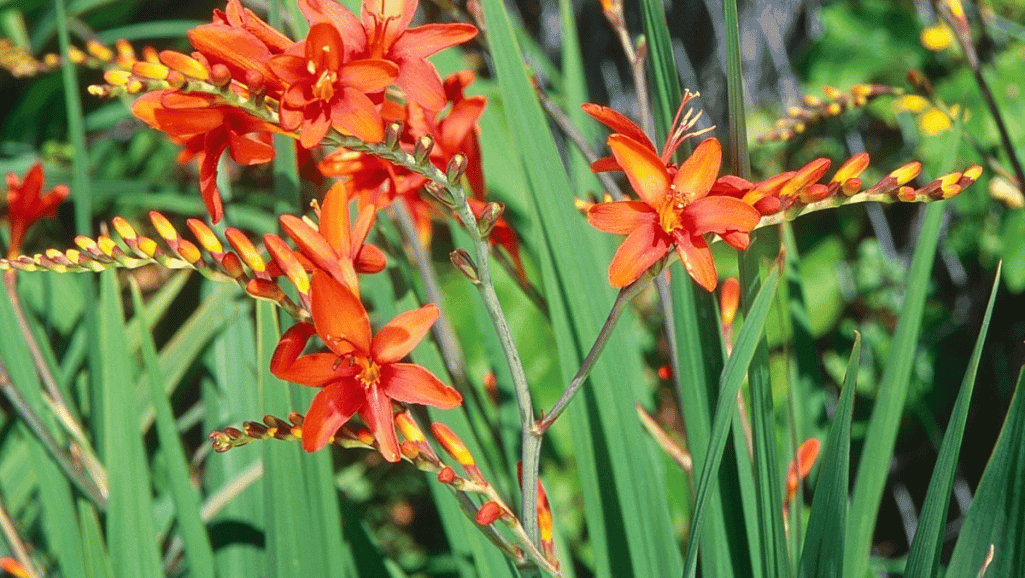
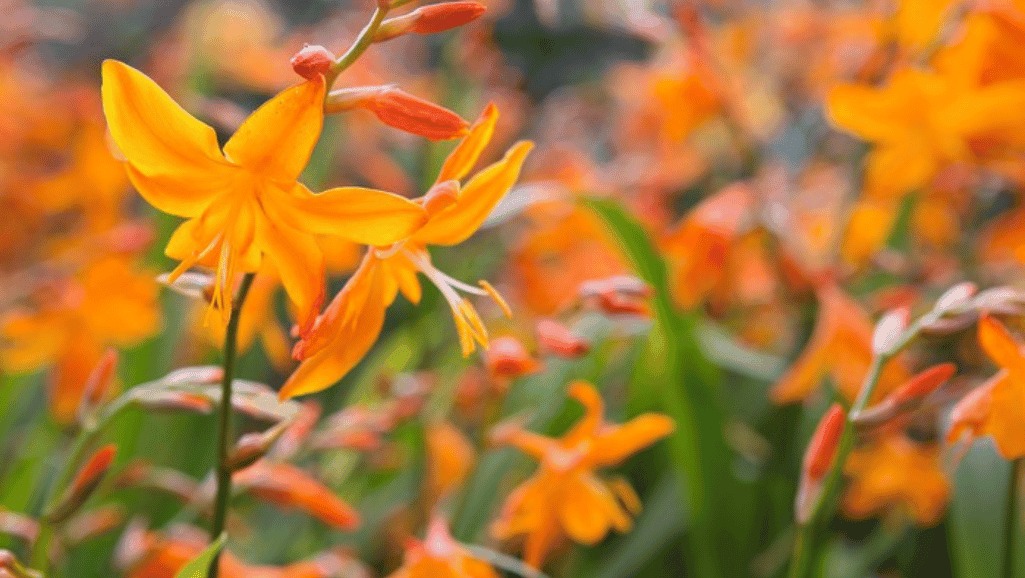
Crocosmia is a stunning perennial from Africa that brings vibrant colors to gardens. It has bright, nectar-rich blooms in red, orange, and yellow. These flowers attract hummingbirds and add a striking vertical look to gardens.
This plant, also called montbretia, has thin, blue-green leaves like gladiolus. It can grow from 24 to 48 inches tall, depending on the type.
Crocosmia thrives in many climates and soils, making it great for all gardeners. To grow well, plant corms 6 to 8 inches apart and 3 to 5 inches deep. It needs regular watering, especially when dry, and should be divided every 3 to 4 years to prevent crowding.
There are many crocosmia varieties, each with its own colors and growth. ‘Lucifer’ and ‘Ember Glow’ show off the plant’s fiery colors. Other types have softer shades of yellow and orange. Crocosmia is perfect for container gardens and as cut flowers, lasting a week in a vase. It adds a lively touch to any garden, whether in beds or borders.
Crocosmia is a type of flowering plant from South Africa. It’s loved in gardens all over the world. These plants, part of the Iris family, stand out with their bright colors. They make the late-summer garden come alive.
In South Africa, Crocosmias grow in sunny spots with good drainage. They have sword-shaped leaves that grow right from the base. Come late summer, they show off long flower spikes in red, orange, and yellow.
They’re similar to gladiolus and need similar care. In cold areas, people dig up the corms for winter and replant them in spring to keep them alive.
Gardeners love Crocosmia for its late-summer color. When many plants stop blooming, Crocosmias start, brightening up the garden.
These flowers are great for cutting too. They’re often used in flower arrangements, adding beauty to bouquets and centerpieces.
People who want to attract wildlife will like Crocosmia. It draws hummingbirds with its nectar-rich flowers, making the garden more lively.
| Characteristic | Description |
|---|---|
| Native Range | South Africa |
| Plant Family | Iridaceae (Iris family) |
| Growth Habit | Cormous perennial |
| Foliage | Sword-shaped leaves |
| Bloom Time | Late summer |
| Flower Colors | Red, orange, yellow |
| Ideal Growing Conditions | Sunny, well-drained soil |

There are over 400 named types of crocosmia for gardeners to choose from. These plants are known for their bright flowers and sword-like leaves. They come in many heights and colors, fitting into different garden styles and color themes.
Some top crocosmia types include:
Crocosmia flowers are known for their warm colors, such as:
Other colors include the pink ‘Culzean Pink’, with apricot or orangey-pink flowers and 50-80cm height. The purple-tinted Crocosmia paniculata has purple stems and buds, reaching 1.2-1.5m tall.
| Cultivar | Color | Height | Hardiness |
|---|---|---|---|
| ‘Lucifer’ | Red | 1.2m+ | -15°C |
| ‘Emily McKenzie’ | Orange with red center | 75cm | -5°C |
| ‘George Davison’ | Golden-yellow | 60cm | -5°C |
| ‘Emberglow’ | Deep orange-red | 75cm | -5°C |
Choosing the right spot and preparing the soil are key to growing healthy crocosmia. They love sunny locations with soil that drains well. They need lots of sunlight and good drainage to grow well.
For the best results, pick a spot that gets full sun, at least six hours a day. Crocosmia can handle some shade but blooms best in the sun. Make sure the soil drains well, as crocosmia bulbs don’t like wet feet.
If your soil holds onto moisture, add organic matter to help it drain better. This will help the roots grow strong and healthy.
Before planting crocosmia bulbs, prepare the soil well. Adding organic matter like compost or manure enriches the soil. It boosts nutrients and helps with moisture retention while keeping the soil well-drained.
When planting, follow the right depth and spacing rules. Put the bulbs 3-5 inches deep with the pointed end up. Leave about 6-8 inches between bulbs for growth and air flow.
This spacing helps the plants get what they need and prevents them from growing too close. This can lead to fewer flowers and weaker plants.
| Planting Depth | Bulb Spacing | Planting Time |
|---|---|---|
| 3-5 inches deep | 6-8 inches apart | Spring, after last frost |
For the best results, plant crocosmia bulbs in the spring, after the last frost. Water well to settle the soil and help the roots grow. With the right care, your crocosmia will give you beautiful flowers and foliage all season.

Crocosmia plants are famous for their bright, trumpet-shaped flowers that bloom in mid to late summer. These perennials, native to South Africa, love fertile, moist, and well-drained soil. To make sure they thrive and bloom beautifully every year, give them the right growing conditions.
Crocosmias like full sun to partial shade. This makes them great for many garden spots. In hot summer areas, some afternoon shade can protect them from heat and keep their flowers bright. But, they grow and bloom best in bright conditions and plenty of sun all day.
Keeping Crocosmia plants moist is key to their health. Water them often, especially when it’s dry, to keep the soil moist but not too wet. They don’t like standing water, so well-drained soil is a must. Mulching around the plants helps keep the soil moist, controls temperature, and stops weeds.
Crocosmias don’t need a lot of food but a little balanced fertilizer in early spring helps. This makes them grow strong and bloom well. But, don’t overfeed them as too much can make them focus on leaves instead of flowers. Just a light feeding in spring is enough for most Crocosmias.
| Sunlight | Watering | Fertilizing |
|---|---|---|
| Full sun to partial shade | Consistent moisture, regular watering | Balanced, slow-release fertilizer |
| Bright conditions | Well-draining soil | Light feeding |
| Adequate sun exposure | Avoid overwatering | Spring application |
Give your Crocosmias the right sunlight, water, and food, and you’ll get stunning red, orange, and yellow flowers from June to late summer. These perennials in zones 5-9 come back every year, spread easily, and attract hummingbirds and butterflies to your garden.
Crocosmia is easy to grow and maintain. A few simple steps can keep your plants looking great. Deadheading spent flowers makes them bloom more and stay healthy. Remove old blooms often to keep your plants flowering all season.
When the growing season ends, Crocosmia’s leaves will die back. Cut these leaves down to the ground to tidy up and prepare for winter. This step also stops diseases and pests from surviving the winter in dead leaves.
Crocosmia plants can get too crowded, which hurts their health and blooms. Divide them every 3 to 4 years to fix this. Dividing not only refreshes the plant but also lets you share plants with others.
| USDA Hardiness Zone | Winter Care |
|---|---|
| Zones 5-7 | Apply a layer of mulch for winter protection |
| Zones 1-4 | Lift and store corms indoors over winter |
In zones 5-7, use mulch to protect your Crocosmia from winter cold. Mulching keeps the corms safe from extreme cold. For zones 1-4, lift and store the corms indoors over winter. Then, replant them in spring after the frost is gone.
By deadheading, removing foliage, dividing, protecting in winter, and mulching, you keep your Crocosmia plants healthy and blooming. These simple steps ensure your plants stay vibrant year after year.
Crocosmia is a vibrant and easy-to-grow perennial. You can spread it by dividing or separating corms. These methods help you grow more plants and share them with others. By dividing or separating offsets, you can prevent your garden from getting too crowded.
Spring division is the top way to spread crocosmia. Do it early spring, before new growth starts. Water the plant well the day before to make it easier and reduce shock. Then, lift the clumps and separate the corms. Put the top-most corms back, as they grow the strongest plants.
Here are some tips for dividing crocosmia clumps:
You can also grow more crocosmia by separating offsets from the main corms. This way, you can increase your plants without moving the whole clump. To do this, lift the corms and take off the smaller offsets. Then, plant these offsets in a new spot, following the same steps as for divisions.
| Propagation Method | Best Time | Key Steps |
|---|---|---|
| Division | Early spring |
|
| Corm Separation | Spring or fall |
|
By using division or corm separation, you can have more crocosmia in your garden. These methods control overcrowding and let you share these beautiful plants with others. You can create stunning displays in your landscape.
Crocosmia is a vibrant perennial that adds a pop of color to any garden. It can be used as border plants, in mass plantings, or in containers. This plant offers many ways to make your outdoor space look stunning.
Crocosmia is great for garden borders because of its tall, upright growth and bright flowers. When planted with shorter plants, it creates a beautiful backdrop. For a big impact, plant Crocosmia in groups along borders or pathways.
Mass planting Crocosmia creates a stunning display in your garden. You can use one color or mix different ones for a dynamic look. This is perfect for large gardens or open spaces.
Make sure your Crocosmia gets well-draining soil and regular water, especially when it’s dry.
For small spaces or to brighten up your patio or deck, try container gardening with Crocosmia. Choose compact types like ‘Lucifer’ or ‘Hellfire’. Make sure your container has good drainage to prevent root rot.
Use a potting mix that drains well and water your Crocosmia often. With the right care, your potted Crocosmia will bloom beautifully all summer. Check out Flowers Gardenia for more tips on container gardening with Crocosmia.
| Variety | Height | Color | Blooming Time |
|---|---|---|---|
| Lucifer | 36″-42″ | Intense crimson | Late June to early July |
| Hellfire | 24″-30″ | Intense orange-red | Summer |
| Golden Fleece | 24″-30″ | Deep clean yellow | Late summer to fall |
Crocosmia brightens gardens and is a top pick for cut flowers. Its tall spikes add a unique look to bouquets. With the right care, these flowers can last more than a week in a vase.
Choose Crocosmia stems with flowers just starting to open for the best vase life. This lets the blooms open fully and look their best. Their arching stems and bright colors make them stand out in any arrangement.
To make a beautiful Crocosmia arrangement, start with these items:
Think about your vase’s height and shape when arranging Crocosmia. Their tall spikes add drama and height. Mix them with other flowers or foliage for a balanced look.
Here’s how to keep your Crocosmia cut flowers fresh:
Follow these steps to make your Crocosmia cut flowers last longer. They’ll stay beautiful and add life to your decor.
| Cultivar | Vase Life (Days) |
|---|---|
| Lucifer | 10-14 |
| Emily McKenzie | 7-10 |
| Meteore | 8-12 |
Crocosmia’s bright colors, unique shape, and long vase life make it a favorite for cut flowers. Enjoy them in a simple bouquet or a big floral arrangement. These blooms will surely impress and delight everyone.
As winter comes, it’s key to get your Crocosmia plants ready for the cold. This perennial loves to grow for years and shows off beautiful flowers. To keep it thriving, you must prepare it for winter.
In the fall, let the Crocosmia leaves turn brown and die back naturally. Then, cut the foliage back to the ground. This helps the plant save energy and focus on its underground corms. In areas with cold winters, like zones 5-7, mulching is important to protect the corms from freezing.
For zones 1-4, where it gets even colder, you need to lift the corms. Dig them up after the leaves have died back and keep them indoors until spring. This keeps your Crocosmia safe and ready to grow when it gets warmer.
Storing the corms right is crucial for your Crocosmia’s health in winter. After lifting the corms, let them dry out for a few days in a cool, airy spot. This prevents rot and mold.
Once dry, put the corms in a breathable container like a mesh bag or a box with peat moss. Keep it in a cool, dark, dry spot where it’s not too hot or cold. Check on the corms during the winter for any rot or disease, and remove any bad ones to stop it from spreading.
| Hardiness Zone | Winter Preparation |
|---|---|
| Zones 1-4 | Lift corms and store indoors |
| Zones 5-7 | Apply mulch for protection |
| Zones 8-10 | Minimal winter preparation needed |
By using these steps for winter prep and corm storage, your Crocosmia will make it through the cold. They’ll be ready to show off their bright flowers in spring and summer.
Crocosmia is usually easy to care for, but some issues might pop up. Overcrowding can make the plants bloom less and grow weak. So, it’s a good idea to split the clumps every 2-3 years. This helps prevent overcrowding and encourages healthy growth and lots of flowers.
Waterlogged soil can cause root rot, which is bad for Crocosmia. Make sure your planting spot drains well. If your soil doesn’t drain well, add organic matter or sand to help water flow away from the roots.
In colder areas, winter can hurt your Crocosmia if you don’t protect the corms. To keep your plants safe, cover them with a thick layer of mulch in late fall. If your winters are really cold, move the corms to a cool, dry place until spring.
Watching out for pests is also important with Crocosmia. Look for aphids or spider mites that can harm the leaves. If you see pests, deal with them quickly using natural or chemical methods. Checking your plants often and acting fast can stop pests from getting worse.
| Problem | Cause | Solution |
|---|---|---|
| Reduced flowering | Overcrowding | Divide clumps every 2-3 years |
| Root rot | Waterlogged soil | Ensure good drainage, amend soil if needed |
| Winter damage | Insufficient protection | Mulch heavily or lift corms for storage |
| Pest infestation | Aphids, spider mites | Monitor regularly, use natural or chemical controls |
Preventing diseases is key to keeping your Crocosmia plants healthy and looking great. Diseases like leaf spot and rust can happen. To lower the chance of getting these diseases, don’t water your plants from above. This can make a moist spot that fungi love. Instead, water at the base of the plants, letting the soil dry out a bit between waterings.
By tackling these common problems early, you can keep your Crocosmia plants looking good and blooming well. This makes them a beautiful part of your garden for many years.
Crocosmia is a great choice for gardeners wanting to brighten up their late-summer gardens. It comes in over 400 species and has beautiful, sword-shaped leaves and tall flower spikes in red, orange, and yellow. This plant is easy to care for and can grow in many types of soil, survive droughts, and withstand cold weather.
This plant not only looks great in borders, groupings, and pots but also draws in hummingbirds, bees, and butterflies. It offers a sweet treat for these important pollinators. This helps gardens stay healthy and creates a welcoming space for these creatures. For more details on caring for this lovely plant, check out Spoken Garden’s Crocosmia Care guide.
To keep Crocosmia looking its best, plant it correctly, water it when it’s growing, and make sure the soil drains well. It’s perfect for borders, groupings, or adding a pop of color to containers. This easy-to-care-for perennial will make your garden stand out with its bright late-summer flowers. For details on how we protect your privacy on our site, see our privacy policy.

 Optimized by Seraphinite Accelerator