Beautiful flowers gardenia Plants For Your homes
 Skip to content
Beautiful flowers gardenia Plants For Your homes


Discover the beauty of indoor plants with the cast iron plant, scientifically known as Aspidistra elatior. This plant is easy to care for and thrives in tough conditions. It grows to be 2–3 ft. tall and 1–2 ft. wide, adding lush greenery to your space.
It’s perfect for those who are busy or new to plant care. The cast iron plant likes temperatures between 60 to 75 degrees Fahrenheit. It also does well in moderate to low light and can handle irregular watering. By meeting its simple needs, you’ll enjoy greenery all year.
The cast iron plant is known for its tough nature. It can survive with little water, making it great for those who forget to water their plants. It also thrives in low light, perfect for shady spots or indoor spaces.
Sales of this plant have skyrocketed, with Patch Plants selling up to 1,000 each day during the lockdown. This rise in popularity is due to its easy care and ability to beautify indoor spaces with minimal effort.
This plant not only tolerates low light and drought but also cleans the air. During the lockdown, it became a favorite among those working from home. Its low maintenance and health benefits made it a hit.
Home gardening and indoor decoration trends have boosted the cast iron plant’s popularity, especially among millennials. It’s now a go-to choice for adding beauty to homes without the hassle of constant care. Varieties like the marble queen are also gaining attention, competing with other popular plants like the golden pothos.
The cast iron plant stands out for its toughness and versatility. It adapts well to different indoor settings, making it a favorite among houseplant enthusiasts.
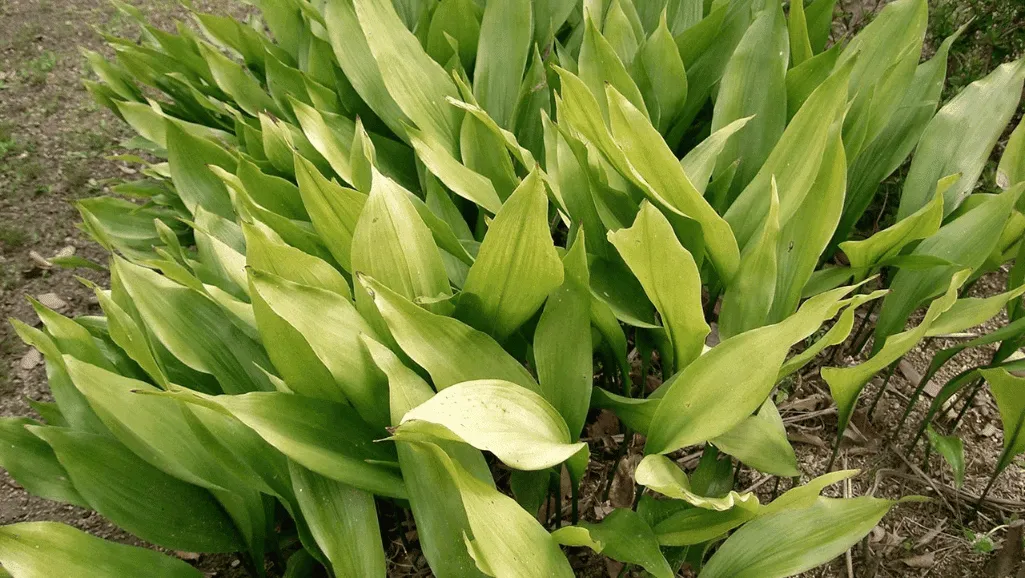
The Aspidistra elatior, also known as a strong air purifying plant, has been a part of indoor spaces since the Victorian era. It comes from the forests of East Asia, including Taiwan and Japan. This perennial herbaceous plant is loved for its toughness and easy care.
This plant is known for its strength and flexibility, earning it the name Cast Iron Plant. The Aspidistra elatior can grow well in many conditions, from low light to changing temperatures. It excels in USDA hardiness zones 7 through 11.
Even though it’s tough, the Cast Iron Plant likes conditions similar to its natural home. It needs soil that drains well and is a bit acidic to neutral. It also likes high humidity and consistent watering, but not too much.
| Feature | Requirement |
|---|---|
| Light | Grows best in partial to full shade, avoiding direct sunlight |
| Watering | Allow the top 1-2 inches of soil to dry before watering |
| Soil pH | Tolerates slightly acidic to alkaline |
| Fertilizing | Monthly with liquid fertilizer or semi-annually with slow-release granules |
| Transplanting | Sparingly, ideally every 2-3 years to avoid root disturbance |
The leaves, which can be 18 to 36 inches long, make the plant look great. Aspidistra elatior is a great perennial herbaceous choice for indoor areas wanting a natural feel. It cleans the air by removing pollutants, which is great for city living. Plus, it can grow in different lights and needs little water, making it a top air purifying plant.
Whether it’s in a shady corner or underplanted in shaded gardens, the Aspidistra elatior shines as a tough and beautiful plant for any collection.
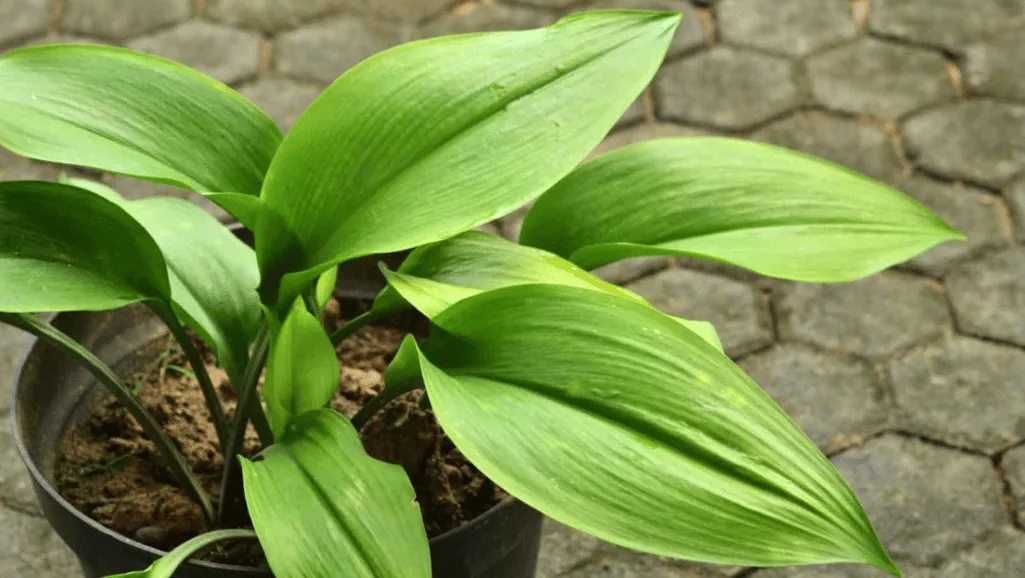
Knowing what light Cast Iron Plants need is key to keeping them healthy and growing well. This tough plant is great for low light spots indoors. It does best in medium to bright light, but likes indirect sunlight to avoid sunburn.
For indoor plants, LED or fluorescent lights work well if there’s little natural light. This way, your plant gets enough light without getting damaged by the sun. Cast Iron Plants are perfect for places with little sunlight, making them popular with gardeners.
If you’re putting your Cast Iron Plant outside, pick a spot with plenty of indirect sunlight. Make sure the light isn’t too strong to avoid burning the leaves. Here are some tips for choosing the right lighting:
| Model | Recommended Hanging Heights | Beam Type |
|---|---|---|
| Soltech – Large Aspect | 24″ to 60″ | Standard |
| Soltech – Small Aspect | 12″ to 48″ | Standard |
| Vita – 36º Narrow Beam | 24″ to 80″ | Narrow |
| Vita – 60º Wide Beam | 12″ to 48″ | Wide |
| Highland – 36º Narrow Beam | 30″ to 96″ | Narrow |
| Highland – 60º Wide Beam | 18″ to 72″ | Wide |
Choosing the right artificial light and placing it well helps your Cast Iron Plant thrive. Even though they can handle low light, they look best in medium to bright light conditions, especially indirect sunlight. This makes them look lush and healthy.
Getting the watering right is key for your Aspidistra, also known as the Cast Iron Plant. This plant often suffers from overwatering issues. Knowing how much moisture it needs is crucial for its health and growth.
The Cast Iron Plant prefers well-draining soil to prevent root rot. A mix of one part peat moss, one part perlite, and one part compost works best. You can find more details in the care guide on Better Homes & Gardens.
Dealing with irregular watering can be tough, but Aspidistra is quite tolerant. Water it deeply only when the soil is dry to the touch. This keeps the soil aerated and helps it mimic its natural environment in China and Vietnam.
Regular checks are important to ensure the plant isn’t too wet or too dry. These steps help avoid overwatering issues and keep your Aspidistra healthy with little effort.

To keep your Cast Iron Plant healthy and long-lasting, it’s key to know about the soil it grows in. Soil supports the plant physically and feeds it, ensuring it grows well. Let’s look at how the right soil and repotting can help your Cast Iron Plant.
For a Cast Iron Plant to thrive indoors, it needs soil that drains well and lets air in. A standard quality potting mix is often a mix of peat, perlite, and vermiculite. This keeps the soil light and lets roots grow freely. Adding compost to the mix also boosts nutrients, helping your plant grow stronger.
Here are some soil types that are great for your Cast Iron Plant:
Repotting cast iron plant should be done only when needed. This plant grows slowly, so it doesn’t get crowded often. When you do repot, be gentle with the roots to avoid stress. A pot just one size bigger is usually enough.
Here are steps for easy repotting:
Following these tips will help your Cast Iron Plant stay healthy and add to your home’s greenery. The secret to a plant’s health is in the soil quality and how you repot it.
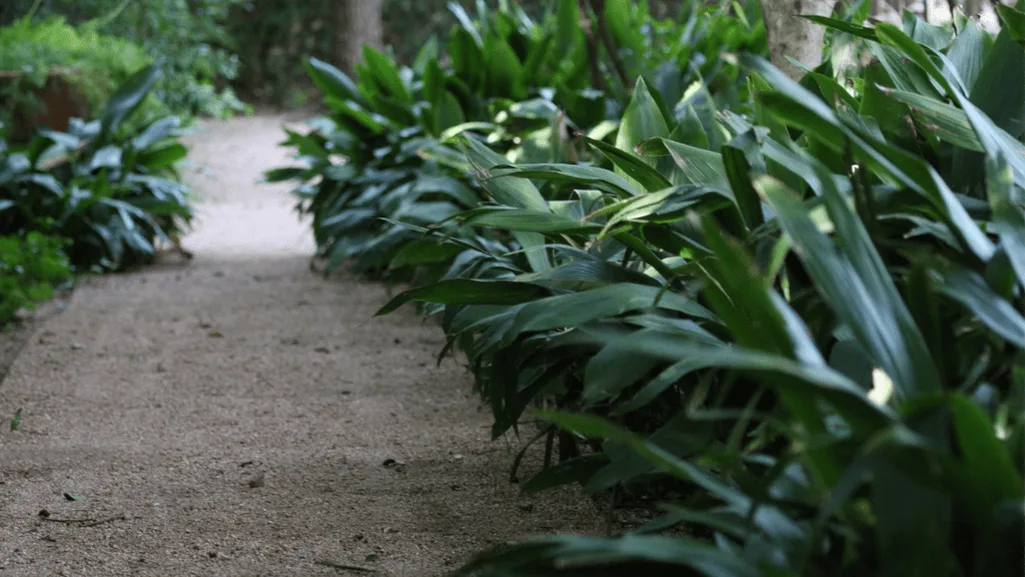 Cast Iron Plant Environmental Needs
The Cast Iron Plant is known for its toughness. It does best in certain conditions that help it grow well. Making sure these conditions are right helps the plant stay healthy and look good. Two key things are important: keeping the right indoor temperature and the right humidity levels at home.
For a Cast Iron Plant to stay healthy, it needs a temperature between 60 and 75 degrees Fahrenheit indoors. This temperature is similar to its natural home, keeping it stress-free. Also, protecting it from frost is key, especially if it’s outside. When it gets colder, bring these plants inside to keep them safe from frost and help them make it through winter.
Most homes have enough humidity for the Cast Iron Plant, but dry areas might need more. You can add moisture with humidifiers or by putting water trays near heaters. This makes the air around the plant more like its tropical home, helping it grow strong and preventing dry, brown leaves.
In summary, the Cast Iron Plant’s long life and health depend on its environment. Paying attention to the temperature, humidity, and protecting it from frost will keep this plant happy and green indoors.
Fertilizing your Cast Iron Plant is key for healthy growth. Use an all-purpose liquid fertilizer in spring and summer. This gives the plant the nutrients it needs to stay vibrant and strong.
Slow-release fertilizer is also good because it feeds the plant slowly. This prevents over-fertilizing, which can cause dark spots or a bronze color on the leaves. Always put fertilizer on after watering to prevent root burn. Also, make sure to dilute fertilizers to avoid too much nutrient build-up.
Here are some tips for feeding your Cast Iron Plant well:
Knowing how your Cast Iron Plant reacts to different fertilizers helps keep it looking great and healthy. Signs of too little or too much fertilizer include yellow leaves with green veins or a white, salty crust on the soil.
Using either all-purpose liquid or slow-release fertilizer can greatly affect your Cast Iron Plant’s health. Choosing the right type makes caring for it easier and more effective.
Exploring cast iron plant varieties, we find a special group: those with variegated foliage. These plants add beauty to both indoor and outdoor spaces. They also need special care to keep their unique look.
The beauty of plants like ‘Variegata’, ‘Asahi’, and ‘Snow Cap’ comes from their eye-catching leaves. ‘Variegata’ is known for its elegant white stripes. ‘Asahi’ has crisp, white tips that look like morning light. ‘Snow Cap’ has a thick white covering, making it stand out in dark spots.
Among cast iron plant varieties, ‘Variegata’ is a top pick for gardeners and designers. It’s strong and has beautiful leaves. ‘Okame’ and ‘Hanoi Honey’ also catch the eye, with ‘Hanoi Honey’ adding subtle flowers in late fall.
Keeping the variegation of these plants right is tricky. Light is key; too little can make the leaves turn solid green. But, these plants do well in low light, avoiding direct sunlight that can burn the leaves.
Feeding them right is also crucial. Too much nitrogen can fade the variegation. Regular soil tests and careful feeding are important for maintaining variegation. These plants can handle poor soil but need good drainage and balanced nutrients to look their best.
With careful care, these variegated cast iron plants add beauty and diversity to gardens. They’re great for places with little light, bringing greenery where others might struggle.
Propagating cast iron plants is a great way to grow your indoor garden or give new life to mature plants. This method focuses on dividing rhizomes, which helps new plants grow while keeping the mother plant healthy. By dividing, you get strong, new Aspidistra elatior plants.
Start by picking a healthy cast iron plant ready for division. Spring or early summer is best, when the plant is naturally rejuvenating. When dividing, separate the rhizomes carefully, making sure each piece has leaves and roots. Be gentle with the roots to help the new plants thrive.
After dividing, plant each piece in a pot with well-draining potting mix. This mix should have perlite, vermiculite, or coco coir for drainage and rich compost for nutrients. After planting, keep the soil moist to help the new plants settle. Avoid direct sunlight and harsh conditions to help them adjust.
| Conditions | Recommended Actions |
|---|---|
| Lighting | Place new plants in bright, indirect light to prevent sunburn and support growth. |
| Temperature | Keep plants at 65°F to 75°F (18°C to 24°C) for best root growth. |
| Soil Mixture | Combine 1 part commercial potting soil, 1 part drainage material, and 1 part compost. |
| Watering | Water when the top third of the soil is dry. Use rainwater or aged tap water to prevent waterlogging. |
Mastering cast iron plant propagation means you can expand your green space. Each new plant adds to a lush, vibrant indoor setting.
For more tips and information, visit FlowersGardenia.com.
Cast Iron Plants are tough but can face pests on houseplants and diseases indoors. Taking the right steps can keep these problems away. Proper care is key to avoid root rot and pests.
To fight pests like spider mites and scale insects, use insecticidal soap or horticultural oil. These products safely get rid of pests without hurting the plant. Watching your plants closely and catching problems early is crucial.
Mealybugs and fungus gnats can be kept away by keeping the soil dry and using neem oil. Being watchful is important with pests on houseplants like these. Here’s a quick guide on handling some common pests:
To prevent root rot in Cast Iron Plants, make sure the soil drains well and don’t overwater. Check if the top inch of soil is dry before watering again. Here’s how to keep your plant healthy and avoid root rot:
| Condition | Prevention Strategy |
|---|---|
| Overwatering | Let soil dry between waterings |
| Poor Drainage | Use well-draining potting mix and check pots for adequate drainage holes |
| Excessive Humidity | Maintain moderate humidity and good air circulation around the plant |
By following these steps and watching for early signs of trouble, your Cast Iron Plant will stay healthy. It will be safe from pests on houseplants and root rot.
The Cast Iron Plant is a top pick for those wanting lush indoor greenery and strong, healthy houseplants. It thrives in low light and can survive drought thanks to its thick leaves. This makes it perfect for homes and offices.
This plant is also great at cleaning the air, removing harmful toxins like formaldehyde and benzene. This makes it a key player in creating healthier spaces.
For those looking to add greenery to their homes, the Cast Iron Plant is a great choice. Its long life and air-purifying qualities make it special. With the right Cast Iron Plant care, it can be passed down through generations.
It has been loved for its toughness since Victorian England. Its easy care and ability to spread through division add to its charm.
The Cast Iron Plant is great for shady gardens or as a houseplant. It comes from a family of over 90 species. With the right care, anyone can enjoy its beauty.
In conclusion, this guide shows how easy it is to care for the Cast Iron Plant. With attention to watering, lighting, and soil, it can flourish. It’s a symbol of lasting beauty in our homes and offices.


 Optimized by Seraphinite Accelerator