Beautiful flowers gardenia Plants For Your homes
 Skip to content
Beautiful flowers gardenia Plants For Your homes

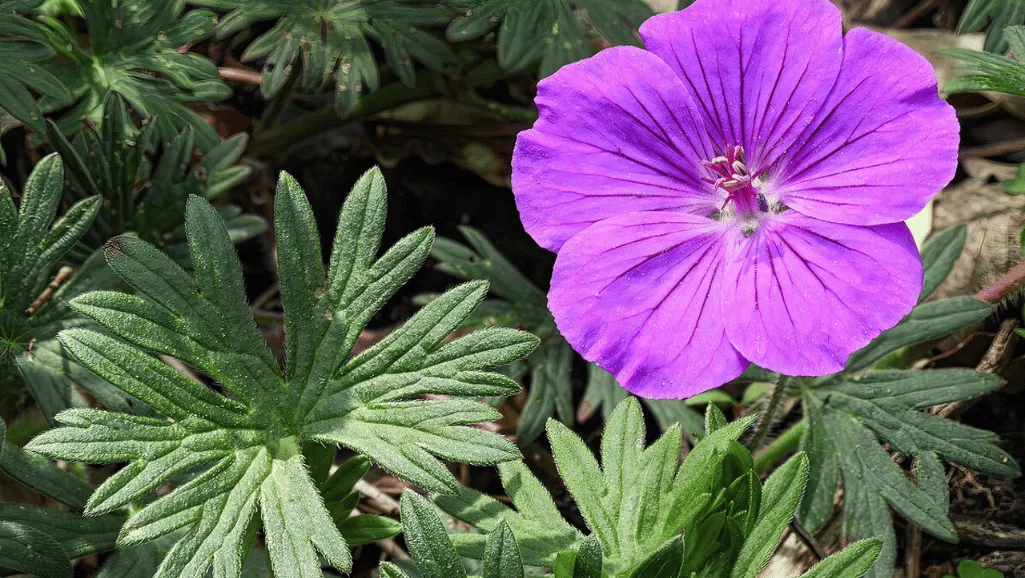
Are you looking for a geranium that brings color to your garden with little work? Geranium sanguineum, or bloody cranesbill, is your answer. It’s loved for its bright flowers, ability to survive with little water, and its growth in many conditions.
Geranium sanguineum is perfect for easy landscaping. It spreads out and covers the ground, keeping weeds away and holding moisture in the soil. It also draws bees and butterflies, and deer won’t bother it.
With over 250 types of Geranium, Geranium sanguineum is a top choice. It grows well in zones 3-8 and does well in both full sun and partial shade. This makes it a great addition to any garden.
Geranium sanguineum, also known as Bloody Crane’s-Bill, is a versatile groundcover. It shows off vibrant magenta flowers and attractive foliage. This low-growing perennial comes from Europe and Asia. Gardeners love it for its adaptability and easy care.
Geranium sanguineum grows up to 30 centimeters tall. Its leaves are deeply divided and palmate, setting off the magenta flowers that bloom from late spring to summer. This perennial is adaptable, doing well in well-drained soils and various light conditions.
Geranium sanguineum draws in bees and butterflies with its nectar-rich flowers. This makes it perfect for gardeners wanting to support local wildlife.
Geranium sanguineum is easy to care for and offers many benefits. Its low growth and dense foliage act as a groundcover, fighting weeds and preventing erosion. It can grow in different soils and moisture levels, making it versatile for various gardens.
It also brings a splash of color with its magenta flowers. These flowers bloom from late spring to summer, adding vibrancy to any garden design.
| Characteristic | Description |
|---|---|
| Height | Up to 30 centimeters |
| Native Range | Europe and Asia |
| Flower Color | Vibrant magenta |
| Bloom Time | Late spring to summer |
| Soil Preference | Well-drained |
| Pollinator Attraction | Attracts bees and butterflies |
Geranium sanguineum is a stunning perennial plant in the Geranium genus. It’s also known as bloody cranesbill or hardy geranium. This plant is loved in gardens across the United States and other places.
Geranium sanguineum is part of the Geranium genus, with over 250 species. It belongs to the Geraniaceae family. The name “sanguineum” comes from the red color of its stalk-joints, which gets even redder in autumn. It’s also called bloody cranesbill and hardy geranium.
The leaves of Geranium sanguineum are deeply divided and shiny green, about 3-5 inches wide. They set off the plant’s bright flowers. In mild climates, the leaves stay green all year. In colder areas, they may die back in winter but come back strong in spring.
| Plant Part | Description |
|---|---|
| Leaves | Deeply divided, glossy green, 3-5 inches wide |
| Flowers | Salmon-pink, 3/4 inches across, five petals with darker pink stamens |
| Stalk-joints | Turn red in autumn, giving the plant its specific name “sanguineum” |
Geranium sanguineum is known for its salmon-pink flowers that bloom from early to late summer. Each flower is about 3/4 inches wide and has five petals. As they get older, the flowers turn a beautiful purplish-blue.
The plant blooms most in June and July. During this time, it’s covered in vibrant flowers that attract bees like the Patchwork Leafcutter Bee and the Blue Mason-bee.
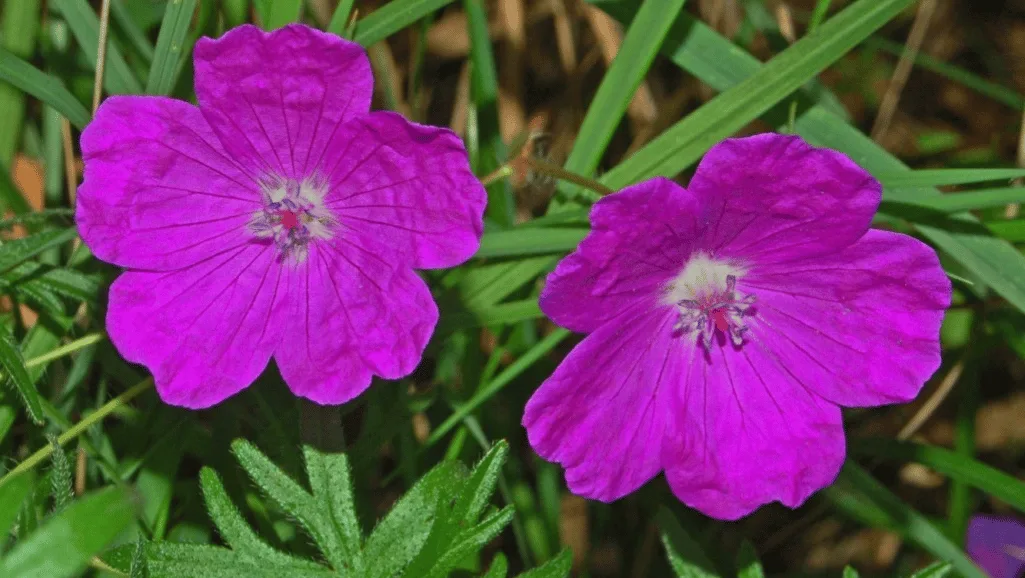
Geranium sanguineum, also known as bloody cranesbill, is a versatile perennial that thrives in many growing conditions. It does best in full sun to partial shade, making it perfect for different garden spots. The Royal Horticultural Society says it likes well-drained soil with average moisture. It can also grow well in clay soil and in both dry and moist places.
Geranium sanguineum grows to be 8 inches tall and 12 inches wide when it’s happy. It grows at a medium pace and can live about 10 years. The plant forms a dense, mounded shape with attractive foliage all season. In fall, the leaves turn a beautiful dark red, adding beauty to your garden.
Geranium sanguineum is great because it can grow in many soils and pH levels. It’s easy to care for because it tolerates clay soil and average moisture. But, too much shade can make it taller, less compact, and it may not bloom as much.
To help it grow and bloom well, plant Geranium sanguineum about 10 inches apart. This lets air move around the plants and prevents them from getting too crowded. This can help them stay healthy and strong. Plus, it’s somewhat resistant to city pollution and deer, making it good for both city and country gardens.
| Variety | Height | Spread | Flower Color |
|---|---|---|---|
| Geranium sanguineum var. striatum | 10cm | 30cm | Pink with crimson veins |
| Geranium ‘Patricia’ | 60cm | 45cm | Bright purple with black centers |
| Geranium cinereum ‘Giuseppe’ | 30cm | 30cm | Magenta |
| Geranium ‘Max Frei’ | 40cm | 35cm | Bright pink, veined |
Think about how versatile Geranium sanguineum is when picking where to plant it. It’s great for many garden uses like mass plantings, rock gardens, and borders. With the right sunlight and soil, it can add vibrant, long-lasting color to your garden. For more tips on creating a beautiful garden, check out Flowers Gardenia.
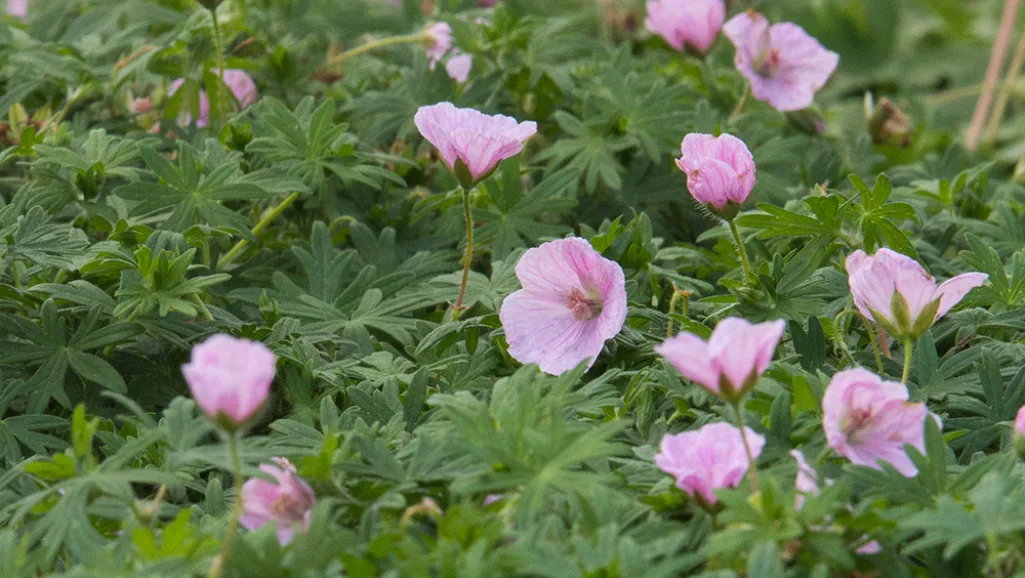
Geranium sanguineum is a vibrant and easy-to-care-for perennial groundcover. It’s perfect for gardeners who want to add color and texture to their gardens. These plants do well in many soils and light conditions. They’re a great choice for any garden.
Before planting in spring, add organic matter like compost or manure to the soil. This helps with drainage and gives the plants the nutrients they need. Geranium sanguineum grows well in various soils, including chalky, clay, loamy, and sandy ones with a neutral pH.
For the best growth and coverage, plant them 12-24 inches apart, depending on the type. The Royal Horticultural Society suggests planting hardy geraniums in autumn to late winter. This way, they’ll bloom well the first year.
Water Geranium sanguineum often in their first year to help them grow strong roots. Once they’re established, they can handle drought but will need water during long dry spells. These plants don’t need much fertilizer, but a balanced, granular fertilizer once a year can help in poor soil.
| Soil Moisture Requirements | Fertilizing Frequency |
|---|---|
| Moist but well-drained | Annually (if needed) |
Deadheading spent flowers keeps your plants looking neat and encourages more blooms. After the first bloom, cut the plants back to 5-7.5cm above ground. This encourages a second bloom and keeps the plants looking great.
In spring, remove dead foliage from the previous year to get your plants ready for the new season. Dividing hardy geranium plants every 3 to 5 years also helps them stay healthy and blooming well.
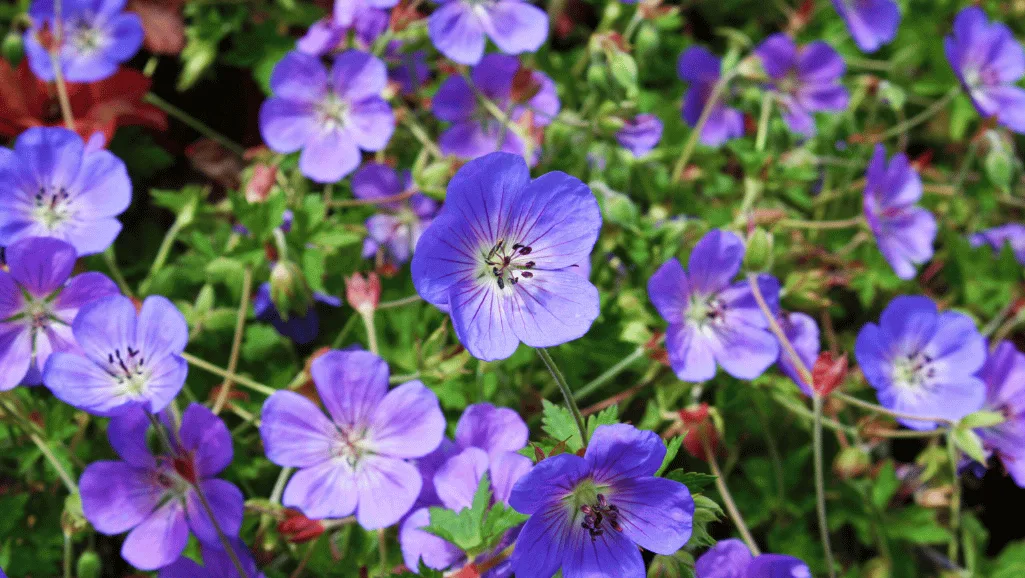
Geranium sanguineum, also known as Bloody Cranesbill, is a versatile perennial. It can make your garden look better with its bright magenta flowers and nice foliage. This plant is great for border plantings, rock gardens, and woodland gardens. It’s a key plant for any garden design.
Think about these spots for Geranium sanguineum in your garden:
Pair Geranium sanguineum with these plants for beautiful garden scenes:
| Companion Plant | Combination Example |
|---|---|
| Dianthus ‘Oakington Hybrid’ | Monochromatic combination featuring Geranium sanguineum |
| Siberian iris and bearded iris | Border design showcasing Geranium sanguineum |
| Veronica ‘Glory’ | Garden partnership with Geranium sanguineum ‘Max Frei’ |
| Late forget-me-nots | Complementary pairing with pale-pink G. sanguineum var. striatum |
| Peonies | Cranesbill companions for Geranium ‘Brookside’ |
Geranium sanguineum is great as a ground cover. It offers many benefits:
To get the best results, plant Geranium sanguineum in masses for a cohesive look. Space each plant about 10 inches apart. This allows for proper growth and spread. With its easy care and lasting beauty, Geranium sanguineum is perfect for ground cover in many landscapes.
Geranium sanguineum has many captivating varieties and cultivars, each with unique traits. ‘Album’ is a standout, with pure white flowers and grows 8 to 12 inches tall. For a splash of color, ‘Alpenglow’ grows to 8 inches and has beautiful rose-red flowers.
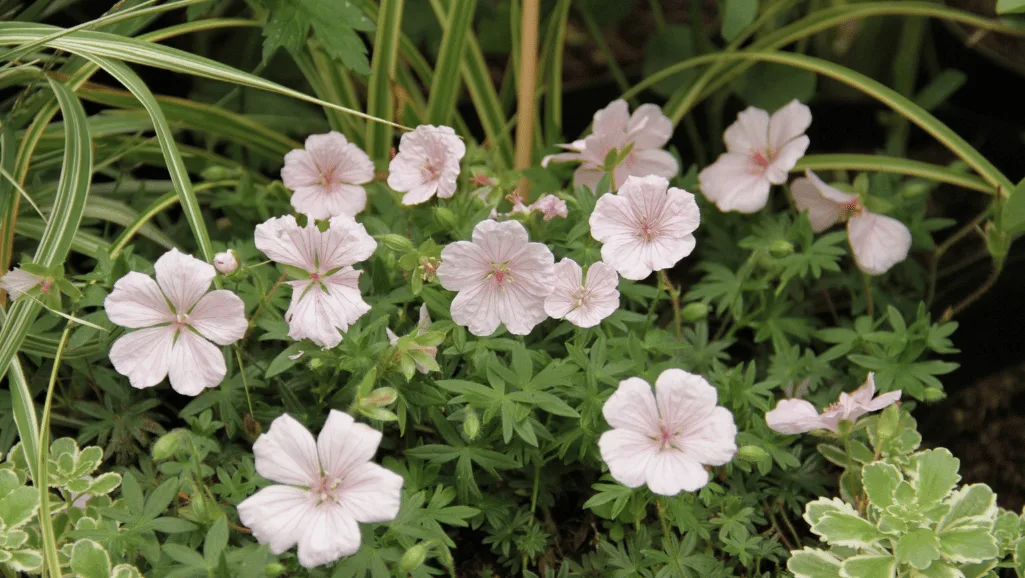
‘Ankum’s Pride’ features pink flowers with darker veins, making it a garden favorite. For a more subtle beauty, Geranium sanguineum var. striatum, known as ‘Lancastriense’ or ‘Prostratum’, is a great choice. It grows 6 to 8 inches tall and has light pink flowers with crimson veins.
Here’s a table that highlights some top varieties and their features:
| Variety/Cultivar | Flower Color | Height | Special Features |
|---|---|---|---|
| ‘Max Frei’ | Rich magenta | 15 cm | Maintains a neat appearance, spreads to 60 cm wide |
| ‘Ankum’s Pride’ | Glowing sugary pink with darker veins | Short, spreading | Well-rounded flowers |
| var. striatum (‘Lancastriense’) | Pale sugar pink with red veins and style | Compact, 6-8 inches | Large flowers |
| ‘Album’ | Clear white | 8-12 inches | Pristine appearance |
| ‘Alpenglow’ | Rose-red | 8 inches | Compact growth habit |
Geranium sanguineum offers many varieties for gardeners to choose from. Whether you like white, rose-red, or pink flowers with darker veins, there’s a type for you. Each variety adds its own charm to your garden.
Geranium sanguineum is a low-maintenance perennial that fights off pests and diseases well. It’s rabbit resistant, making it great for gardeners fighting these pests. This plant’s ability to resist diseases makes it tough and adaptable in different conditions.
Geranium sanguineum is mostly pest resistant, but some pests can be a problem:
To keep Geranium sanguineum healthy, follow these steps:
By using these tips, gardeners can make the most of Geranium sanguineum’s resistance to pests and diseases. This ensures a healthy, easy-to-care-for perennial in their gardens.
Geranium sanguineum is a favorite perennial known for its bright flowers and tough nature. It can be easily spread through division and seed. By using these methods, gardeners can multiply their plants and enjoy them in different parts of the garden.
Spring is the best time to divide Geranium sanguineum plants. It’s important to keep as much of the root ball as possible when dividing. Dig up the plant, then separate the roots into smaller sections, making sure each has roots and leaves.
Replant these divisions in soil that drains well and water them well. Or, you can use root cuttings in early spring to propagate Geranium sanguineum.
Geranium sanguineum can also be grown from seeds. Sow the seeds in soil that drains well right after collecting them. This ensures they germinate better. You can plant the seeds in the garden in late spring or early summer, or start them indoors 6-8 weeks before the last frost.
Make sure the seeds have a warm, stable place and keep the soil moist. Geranium sanguineum can also spread on its own, but removing dead flowers can control its growth. With good care, you can see flowers in a year or two after planting the seedlings.


 Optimized by Seraphinite Accelerator