Beautiful flowers gardenia Plants For Your homes
 Skip to content
Beautiful flowers gardenia Plants For Your homes


Evergreen shrubs are the go-to choice for gardeners who want year-round greenery with minimal fuss. They provide structure, seasonal interest, and reliable color in a wide range of landscapes—from small yards to large foundation plantings.
Use these shrubs for privacy hedges, defining borders, or as evergreen accents around foundations. Many varieties also attract birds and pollinators, turning a simple planting into a wildlife-friendly feature in your garden.
Evergreen shrubs are adaptable to many climates and exposures. While specific species vary, you can find options suited to USDA Hardiness Zones across much of the country (commonly from roughly zone 2 up to zone 11 for different species). Match the shrub’s hardiness and light needs to your site for best results.
Many evergreen shrub types tolerate dry soils once established, making them excellent choices for water-wise landscapes. You’ll also find a wide variety of foliage textures and colors—from glossy green boxwood to holly with bright red berries, and colorful foliage in plants like nandina and certain euphorbias.
Evergreen shrubs bring multiple landscape benefits: structure, year-round color, seasonal blooms or fruit on some varieties, and low upkeep. These hardy shrub varieties can create formal hedges, soften building foundations, or serve as specimen plants that anchor a design.
Many evergreen shrubs are forgiving — once established they require less frequent watering and minimal pruning. For a practical guideline, plan to prune light-shaping no more than once or twice a year for most formal hedges, and schedule heavier rejuvenation pruning only when necessary, following species-specific windows.
Hardy evergreen varieties are a strong choice for gardeners short on time — they retain attractive foliage through winter and reduce seasonal cleanup. Use mulch and an initial irrigation program to help new plantings establish quickly.
Because they hold foliage through the seasons, evergreen shrubs keep structure and color in the garden year-round. Select varieties with seasonal blooms or fruit if you want added spring or fall interest.
Evergreen shrubs add color and sometimes scent in seasons when many perennials are dormant — a real mood booster for winter gardens.
Evergreen shrubs serve many landscape functions. Practical uses include:
Evergreen shrubs are available in many sizes and textures to suit formal and informal planting styles. When planning, consider each plant’s mature height and width so your design stays balanced as plants mature.
Choosing plants that match your site — soil, sun, and microclimate — is the most important step. Below are top evergreen shrubs grouped by common growing conditions, with quick selection notes to help you pick the best varieties for your garden.
For sunny, dry spots choose shrubs that tolerate heat and low moisture once established. Examples include junipers (Gin Fizz® and Tortuga®) — low-water, typically narrow in form — and resilient boxwoods such as Sprinter® Boxwood for a formal look. Tough hollies (Castle Keep® Blue Holly, Gem Box® Inkberry Holly) offer glossy green foliage and, in some cultivars, berries for winter interest. Tip: water new plantings regularly for the first 1–2 years, then reduce frequency.
Drought-tolerant shrubs are low-maintenance after establishment and are excellent choices for water-wise landscapes.
In part- to full-shade, select evergreens that handle lower light and often acidic soils. Rhododendrons and reblooming azaleas (Perfecto Mundo® Red, Dandy Man® Purple) bring seasonal pink or purple flowers and glossy leaves. Pieris (Japanese Andromeda) and mountain laurel (Kalmia) offer spring blooms and attractive foliage — ideal for shaded foundation plantings.
These shade-loving shrubs add seasonal blooms and are excellent companions for ferns, hostas, and spring bulbs in mixed borders.
Coastal sites demand salt- and wind-tolerant shrubs. Southern wax myrtle and inkberry holly are commonly recommended for salt-prone areas — they tolerate wind and provide dense foliage. For a brighter accent, consider Waxwing™ Lime Mirror Bush, which adds a lime-green tone and stands up to coastal exposure in appropriate zones.
Choose windbreak-friendly forms (lower, dense shrubs or staggered plantings) and provide shelter from the harshest exposures when possible.
By selecting evergreen shrubs tuned to your soil, light and moisture conditions, you can create a low-care, year-round landscape. For best results, check each cultivar’s hardiness zone, mature height and width, and water needs before planting.

Evergreen shrubs create backbone plantings that anchor a landscape. They come in many forms and sizes, so plan with the mature height and width in mind. Below are practical, actionable design tips and a few “try this” mini-designs you can adapt to your yard.
For a reliable privacy screen choose tall, columnar forms like arborvitae or fastigiate cypress. Practical spacing: plant at roughly half the mature width to achieve a continuous screen (for example, a shrub that matures 6′ wide should be planted ~3′ apart for a dense hedge). Stagger rows for wind buffering and reduce sound transmission by planting a double row with a small hardscape in front if space allows.
Tip: prune lightly once a year to maintain form; avoid heavy shearing during flowering months to preserve blooms on flowering evergreens.
Low-growing evergreens such as dwarf boxwood work well along foundations: choose plants with a mature height that keeps windows and eaves visible (commonly 18–36″). For accent specimens, select contrasting textures and color — e.g., a compact conifer next to a broadleaf holly or a shrub with pink flowers to brighten spring.
Try this mini-design: 3-step foundation planting — 1) low dwarf boxwood in front (18–24″ tall), 2) medium holly or Pieris behind (3–6′ tall), 3) a taller evergreen specimen at the corner for vertical emphasis (6–10′ or taller depending on house size).
Evergreens provide structure for mixed borders — place them toward the back or center depending on border depth. Combine different heights, colors, and textures: dwarf conifers, broadleaf hollies, and flowering shrubs such as camellias or rhododendrons make for year-round interest.
When planning mixed borders, verify mature sizes (tall/wide) and leave space for growth — avoid crowding by using the plant’s mature width as your minimum spacing guide. For inspiration, link your design to a zone-based plant finder to select species that match your climate and soil.
Basic care keeps evergreen shrubs healthy and attractive. Follow species-specific timing where noted, but as a general rule prune for shape in early spring and avoid cutting flowering branches until after they bloom. Most evergreen hedges respond well to light annual shaping; reserve heavier pruning for dormant periods and species that can resprout from old wood.
A safe pruning limit is to remove no more than one-third of live growth at once for most shrubs; for formal hedges, light annual trimming is preferable to severe cuts. For species like rhododendrons and azaleas, prune immediately after flowering to avoid removing next season’s buds.
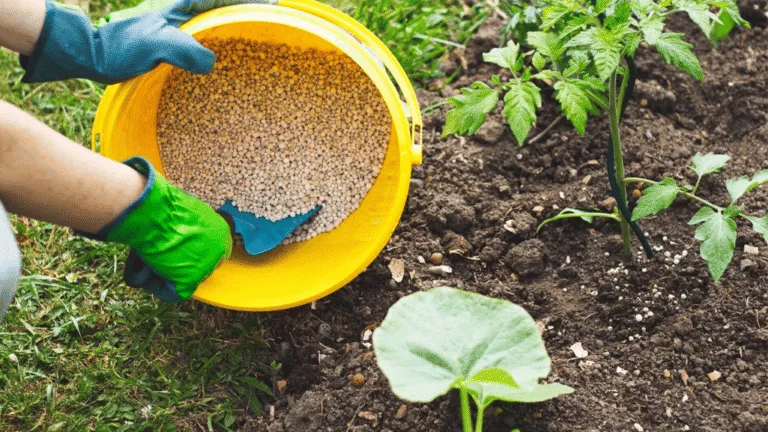
Fertilize thoughtfully: a slow-release, acid-forming product (for acid-loving types) helps maintain foliage color and vigor. For broad guidance, a balanced slow-release fertilizer in early spring and again in early fall supports growth; check label N-P-K ratios and apply according to shrub size. Incorporating mycorrhizae at planting or during soil amendments can improve root uptake in many species.
Watering schedules depend on species, soil and exposure. New transplants typically need regular watering (for example, 1–2 gallons twice weekly for small shrubs, adjusted for heat and soil). After establishment, irrigate based on soil moisture — deep, infrequent watering encourages strong roots. In late fall give a thorough soak to improve winter hardiness.
Monitor for pests and disease and act early. Integrated approaches (cultural controls, pruning out infected wood, and targeted treatments) are often effective. If chemical controls are needed, identify the pest or pathogen first and choose the appropriate product; consult local extension resources for regional guidance.
Industry estimates suggest many struggling shrubs can recover with timely, skilled maintenance — reinforcing the value of regular inspection and early intervention.
Protect evergreens from winter desiccation in cold or windy sites by planting in sheltered spots and applying anti-desiccant sprays in late fall where appropriate. Mulching is important — maintain a 2–3 inch layer of organic mulch, keeping it pulled slightly away from the trunk to prevent rot.
Many evergreen shrubs prefer well-drained, slightly acidic soil — amend heavy soils with organic matter, and use sulfur or peat moss sparingly if you need to lower pH for acid-loving species. If relocating a shrub, move it in early spring or fall and water thoroughly until re-established.
Following these targeted care steps — prune at the right time, feed appropriately, water to establish roots, mulch correctly, and monitor for pests — will help your evergreen shrubs thrive for years.

Designing with wildlife and sustainability in mind makes your garden both beautiful and ecologically valuable. Evergreen shrubs provide year-round shelter, nesting sites, and — in many species — fruit or flowers that feed birds and pollinators across seasons.
Native evergreen species are especially valuable because they are adapted to local climates and soil and often require less supplemental care. They also tend to support more local wildlife than many non-natives.
Native shrubs are a cornerstone of wildlife-friendly gardens — they match local weather and soil, require less input, and offer food and shelter for native birds and insects.
Some regionally appropriate native choices include:
Evergreen shrubs that offer flowers, nectar, or berries attract pollinators and birds. Camellias provide late-winter to spring blooms useful to early pollinators in milder zones; Pieris (Japanese Andromeda) offers spring flower clusters that attract bees; hollies and bayberry produce berries that feed birds through fall and winter.
Evergreen shrubs contribute to sustainable gardens by reducing erosion with year-round root cover, improving air quality, and capturing carbon. Blending evergreen and deciduous plantings supports a wider range of wildlife across seasons and makes landscapes more resilient to climate variations.
Evergreen shrubs are not only beautiful and low-maintenance but also play a vital role in habitat creation and sustainability.
When selecting evergreen shrubs, check hardiness zones, mature size (tall/wide), and soil preferences. Choosing the right species for your climate and planting them with wildlife in mind — leaving some fruit and providing water sources — will create a sustainable, wildlife-supporting garden for years to come.
Evergreen shrubs are a simple way to add reliable structure, year-round foliage, and seasonal interest to any landscape. From neat boxwood foundation plantings to berrying hollies and flowering camellias, there’s a shrub to match your yard, style, and climate.
Quick action plan: 1) identify your USDA hardiness zone, 2) choose three evergreen shrubs that fit your light and soil, and 3) plant in early spring or fall with proper spacing and mulch. Tall, narrow varieties work well for privacy; compact types are ideal for foundation plantings.
Beyond beauty, evergreen shrubs support wildlife and help make landscapes more sustainable. With basic seasonal care — correct planting, timely pruning, mulching, and appropriate feeding — these adaptable plants will enhance your garden and provide joy for years to come.
Ready to start? Use the plant finder linked in this article to pick species for your zone, or try drought-tolerant cypress and other low-water shrubs if you need resilient, low-maintenance options.
Evergreen shrubs deliver year-round structure and color with relatively low maintenance. Quick benefits:

 Optimized by Seraphinite Accelerator